Fake Banner
Feeling no pain: plants were first to let it happen

Age of Herbals somewhere  during  1565 in this part of globe saw many medical man searching...

Sitopaladi churna is an ayurvedic medicine for cough and cold

Sitopaladi churna is an ayurvedic medicine for cough and cold and sneezing nose. A little portion...

Ethnobotany and Ocimum sanctum (Tulsi)

The term 'ethnobotany' was first applied by Harshberger in 1895 to the study of plants used by...

Gene, gene expression, gene silencing and RNAi

Gene Expression?–What is a Gene?A gene codes for a homogeneous ‘functional unit’ – classically...

User picture.
picture for Patrick Lockerbypicture for Akshit Kumarpicture for Damon  Isherwood
Ashwani KumarRSS Feed of this column.

Professor Emeritus ,Former Head of the Department of Botany, and Director Life Sciences, University of Rajasthan, Jaipur. 302004, India At present freelance consultant with Bioenergia. Spain and... Read More »

Blogroll
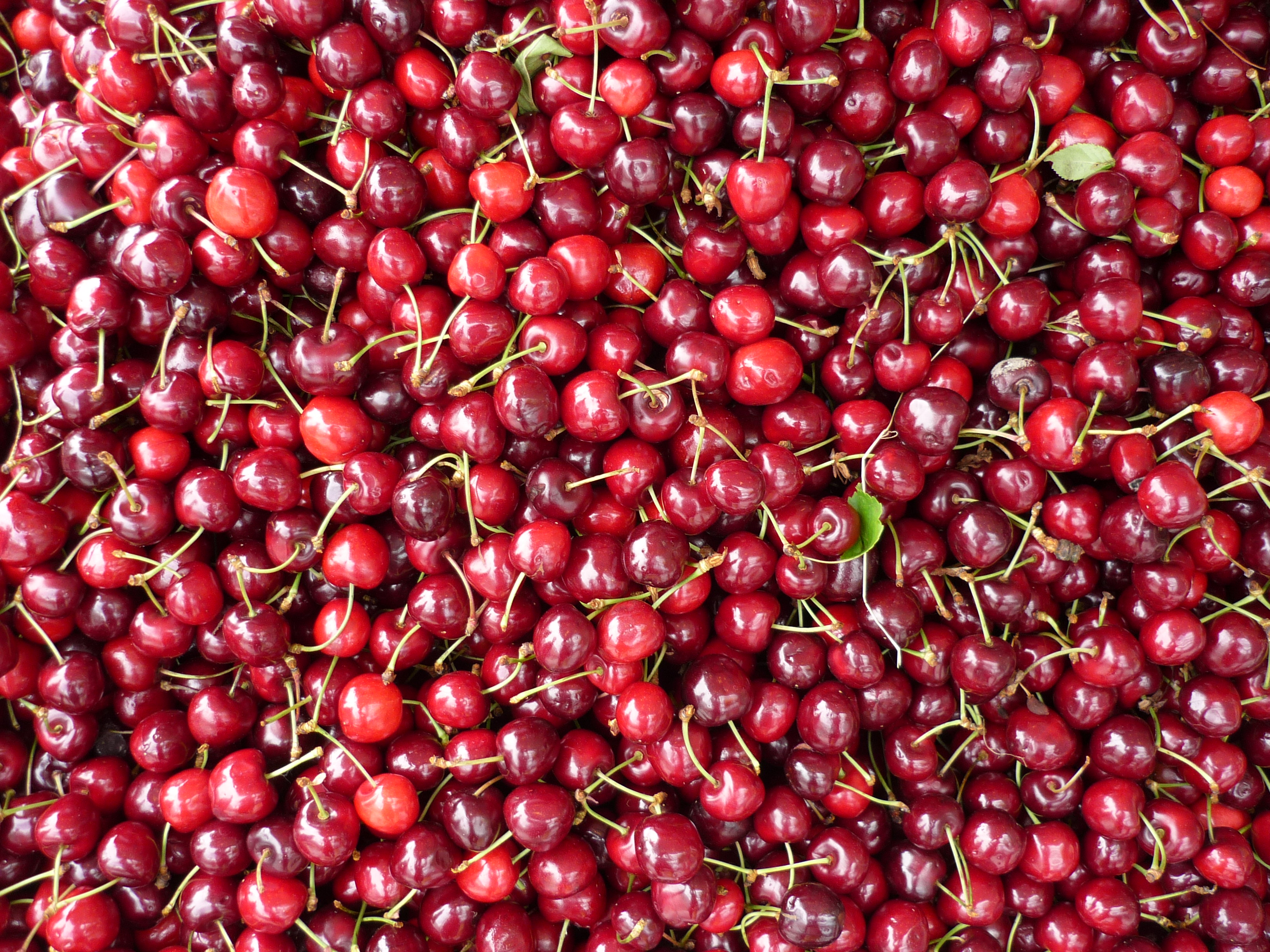
All one needs from fruits is their special taste. I very much like cherries of Germany in this season aAs  they are proper mix of sweet and sour which gives a special taste.

What regulates their special taste .
It could be enzymatic reactions or malic enzyme activity or some other enzymes of sucrose biosynthesis but how does nature perceive the signal to maintain particular taste.
They shout in the market "Deutsche eardbearen"( please correct me if I spelled it wrong)
If evolution of a man took place in different regions the world the  communication adopted the shape of dialects and languages. Hunders of dialetcs or dozens of languages can be found in India . Europe also  has so many different languages. All human species smile and weep in the same language.
My mother used to keep fasts on holy 11th day of the moon calender called Ekadashi.
We waited as c hildren that she will make her special meal for fasting day. It consisted of Kutu ka atta a sort of coarse grain with low calorific value. Besides this she will also use flour from Trapa bispinosa. A plant growing in ponds and its fruits had two spines which gave it the name of T. bispinosa.
Stragely enough on my recent visit to Germany a saw the flour of the Trapa bispinosa being sold for some euro ( in India would be some rupees) in nicely packed bottle in reform house or natural food house.
It was supposed to be helpful in controlling menstrual disorders in women.
No hindu house in a village will be without a plant of Tulsi Ocimum sanctum . Surprising other religious groups in India also had their sacred plants.
I had this plant in my house in the hedge and surprisingly I never had the swine flue or any flue for the last 20 years. What is the correlation. The plant has strong insect repellent . It is also known as protector against radiation damage.
Devotees in temples get some holy water which is stored in container made or copper. The container of the copper is said to have germicidal properties. Remember famous Bordeaux mixtrue which was developed in France for the control of powdery mildew in grape yards, basically contained a mixture of CuSO4 and lime. Does copper provide some antimicrobial activity.
Hibiscus rosa sinesis is offered to Goddess Kali at Kolkatta by devotees Three  of the trees are worshipped as such like peepal( Ficus religiosa)  and bargad( Ficus bengalensis) and awala ( Phyllanthus emblica) . The first two are huge trees which can provide protection to the entire village as thier lives are unlimited and awala is good for health.

However different Gods and Goddesses are worshipped with different plants and they have their specific values.
Like goddess Kali is worshipped among others with flowers of Hibiscus  rosa sinensis.