
Banner
Why Antarctic Sea Ice Stopped Growing In 2015

Though numerical models and popular films like An Inconvenient Truth projected Arctic ice...
Wealth Correlated To Loneliness

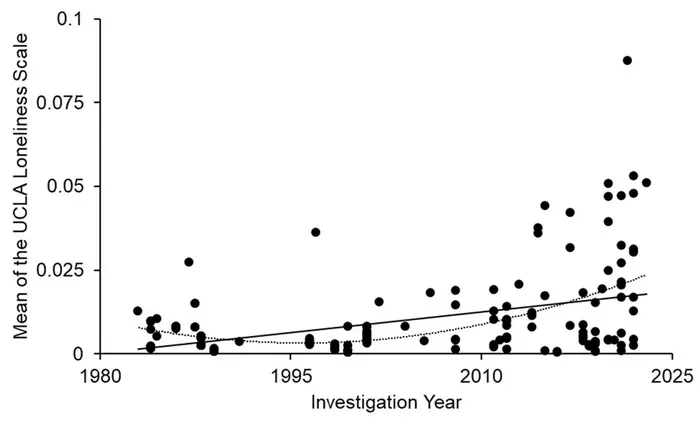
You may have read that Asian cultures respect the elderly more than Europe but Asian senior citizens...

Ousiometrics Analysis Says All Human Language Is Biased

A new tool drawing on billions of uses of more than 20,000 words and diverse real-world texts claims...

Wavelengths Of Light Are Why CO2 Cools The Upper Atmosphere But Warms Earth

There are concerns about projected warming on the Earth’s surface and in the lower atmosphere...

User picture.
News StaffRSS Feed of this column.

News Releases From All Over The World, Right To You... Read More »

Blogroll

People who use cochlear implants for profound hearing loss do respond to certain aspects of music, contrary to common beliefs based on limited scientific research. Writing in Hearing Research, a team says exposure to the beat in music, such as drums, can improve the emotional and social quality-of-life of cochlear implant users and may even help improve their understanding and use of spoken language.

Previous research has shown that cochlear implants, which bypass the outer and inner ears to directly stimulate fibers of the auditory nerve, are deficient in transmitting the pitch and tone quality of music; users report hearing noise when music is played. Consequently, they may receive little training in music or musical movement.

Research on how science works - the science of science - can benefit from studying the digital traces generated during the research process, such as peer-reviewed publications. This type of research is crucial for the future of science and that of scientists, according to Frank Schweitzer, Chair of Systems Design at ETH Zurich, in Switzerland. Indeed, quantitative measures of scientific output and success in science already impact the evaluation of researchers and the funding of proposals. He shares his views in an Editorial spearheading a thematic series of articles entitled "Scientific networks and success in science", published in EPJ Data Science.

A new study of marine organisms that make up the 'biofouling community' - tiny creatures that attach themselves to ships' hulls and rocks in the ocean around the world - shows how they adapt to changing ocean acidification. Reporting in the journal Global Change Biology, the authors examine how these communities may respond to future change.

Almost 2,500 women of child-bearing age in the UK are at risk of transmitting mitochondrial disease to their children, according to the most recent estimates published today in the New England Journal of Medicine.

The research offers the most recent evidence yet of how many families could potentially be helped by new IVF techniques to prevent mitochondrial disease, which would be permitted by new regulations on which a vote in parliament is imminent.

Mitochondrial diseases are caused by inherited mutations in the DNA contained in mitochondria - tiny structures present in every cell that generate energy. Mitochondrial diseases can be devastating and particularly affect tissues that have high energy demands - brain, muscle (including heart), liver and kidney.

The most comprehensive analysis to date of research on the effect of negative stereotypes on older people's abilities has concluded that these stereotypes create a significant problem for that demographic.

A research team at the University of Kent's School of Psychology carried out a review and meta-analysis of Aged-Based Stereotype Threat (ABST).

They statistically analyzed international evidence from 37 research studies, both published and unpublished. They concluded that older adults' memory and cognitive performance is negatively affected in situations that signal or remind them of negative age stereotypes. These effects affect both men and women.

fter 200 million gallons of crude oil spilled into the Gulf of Mexico in April 2010, the government and BP cleanup crews mysteriously had trouble locating all of it.

Now, a new study led by Florida State University Professor of Oceanography Jeff Chanton finds that some 6 million to 10 million gallons are buried in the sediment on the Gulf floor, about 62 miles southeast of the Mississippi Delta.

"This is going to affect the Gulf for years to come," Chanton said. "Fish will likely ingest contaminants because worms ingest the sediment, and fish eat the worms. It's a conduit for contamination into the food web."

