Poor people in developing nations have been caught in a cultural tug-of-war over how to best keep them from dying of Malaria. What they need to break the impasse between anti-science acolytes who think "Silent Spring" had any science in it and corporate chemical manufacturers is...a fashion show.
Frederick Ochanda, postdoctoral associate in Cornell's Department of Fiber Science&Apparel Design and a native of Kenya, teamed up with Matilda Ceesay, a Cornell apparel design undergraduate from Gambia, to create a hooded bodysuit embedded at the molecular level with insecticides for warding off mosquitoes infected with malaria, a disease estimated to kill 655,000 people annually on the continent.
Here's a pretty good kickstart for a science resume; inventing a disease-fighting, anti-aging compound using nano-particles from trees at age 16.
The so-called 'reality-based community' hates popular culture, unless they like it ironically. Sports most of all.
But, argues George Washington University Professor of Anthropology Jeffrey P. Blomster, the ballgame is associated with the rise of complex societies, so understanding its origins also illuminates the evolution of socio-politically complex societies.
The sexual maturation of female mice has been linked to longevity by researchers.
They had previously established that mouse strains with lower circulating levels of the hormone IGF1 at age six months live longer than other strains. In new work, scientists report that females from strains with lower IGF1 levels also reach sexual maturity at a significantly later age.
The researchers conclude that IGF1 may co-regulate female sexual maturation and longevity. They showed that mouse strains derived from wild populations carry specific gene variants that delay sexual maturation, and they identified a candidate gene, Nrip1, involved in regulating sexual maturation that may also affect longevity by controlling IGF1 levels.
Over the past century, 70 percent of beaches on the islands of Kaua'i, O'ahu, and Maui have had long-term erosion, according to a U.S. Geological Survey (USGS) and University of Hawai'i (UH) report released today.
They studied more than 150 miles of island coastline (essentially every beach) and found the average rate of coastal change – taking into account beaches that are both eroding and accreting – was 0.4 feet of erosion per year from the early 1900s to 2000s. Of those beaches eroding, the most extreme case was nearly 6 feet per year near Kualoa Point, East O'ahu.
You're in luck. To the consternation of advertisers, we gather almost no information about you so if you are concerned about outsiders learning a lot about you from your visit to this article, fear not. If we were that clever, this site would make a lot of money.
What Facebook CEO Mark Zuckerberg calls “frictionless sharing” - like sharing music and book choices with the Internet - isn’t really frictionless – it forces on us the new frictions of worrying who knows what we’re reading and what our privacy settings are wherever and however we read electronically. It’s also not really sharing; real sharing is conscious sharing, a recommendation to read or not to read something rather than a data exhaust pipe of mental activity.


 Synchrotron Could Shed Light On Exotic Dark Photons
 The Pain Scale Is Broken But This May Fix It
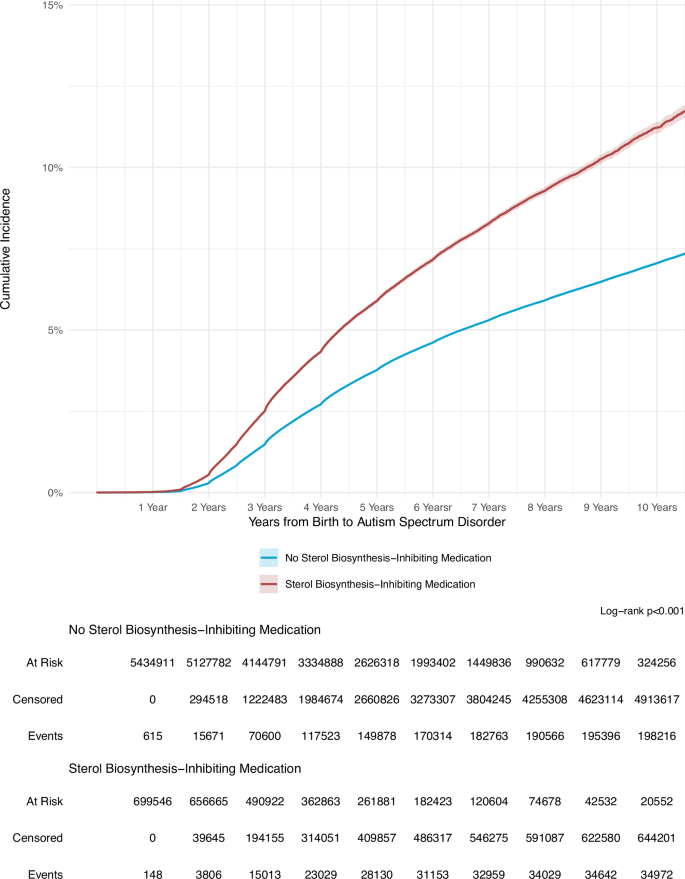 Study Links Antidepressants, Beta-blockers and Statins To Increased Autism Risk
 Pilot Study: Fibromyalgia Fatigue Improved By TENS Therapy