Banner
Synchrotron Could Shed Light On Exotic Dark Photons

There are many hypothetical particles proposed to explain dark matter and one idea to explore how...

The Pain Scale Is Broken But This May Fix It

Chronic pain is reported by over 20 percent of the global population but there is no scientific...
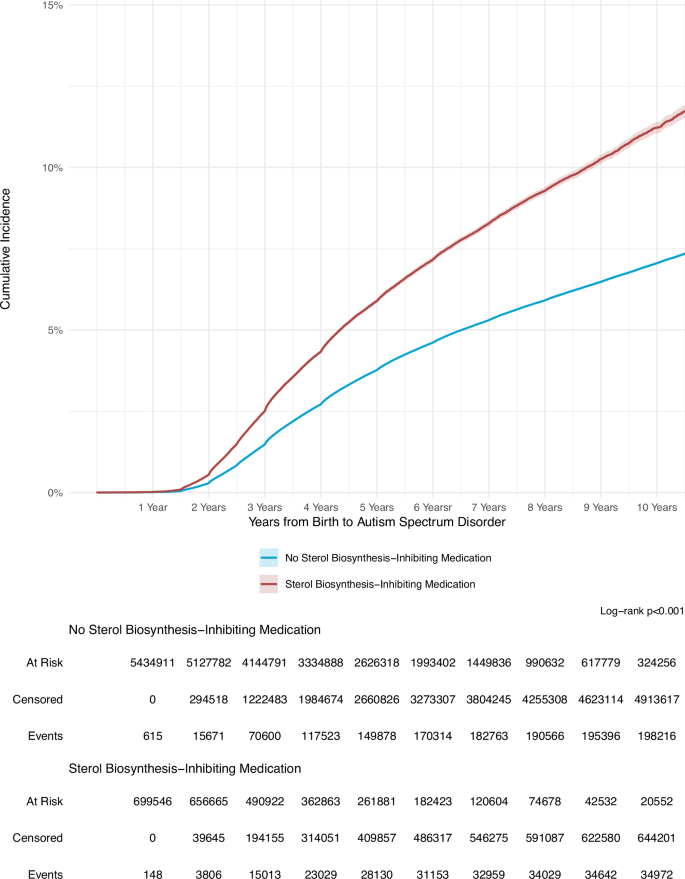
Study Links Antidepressants, Beta-blockers and Statins To Increased Autism Risk

An analysis of 6.14 million maternal-child health records  has linked prescription medications...

Pilot Study: Fibromyalgia Fatigue Improved By TENS Therapy

Fibromyalgia is the term for a poorly-understood condition where people experience pain and fatigue...

User picture.
News StaffRSS Feed of this column.

News Releases From All Over The World, Right To You... Read More »

Blogroll
Dolphins have a clever trick for overcoming sleep deprivation, according to Sam Ridgway from the US Navy Marine Mammal Program and colleagues.   They are able to send half of their brains to sleep while the other half remains conscious. What is more, the mammals seem to be able to remain continually vigilant for sounds for days on end.

Does the dolphins' unrelenting auditory vigilance tire them and take a toll on the animals' other senses? Ridgway and his team set about testing two dolphins' acoustic and visual vigilance over a 5 day period to find out how well they functioned after days without a break.

Arrayit Corporation, a manufacturer of products and services for disease prevention, treatment and cure, announced today that it is developing a microarray-based diagnostic test to detect the H1N1 swine flu virus.

The Arrayit test will allow researchers and clinicians to detect the presence of the virus in infected patients and livestock and to distinguish the threatening mutated strain from less harmful variants in humans and swine. Using its state-of-the-art manufacturing facility, Arrayit plans to begin mass production of its test kits over the next several weeks.

A previously unknown, large impact basin has been discovered by the MErcury Surface, Space ENvironment, GEochemistry, and Ranging (MESSENGER) spacecraft during its second flyby of Mercury in October 2008. The impact basin, now named Rembrandt, more than 700 kilometers (430 miles) in diameter.

If the Rembrandt basin had formed on the east coast of the United States, it would span the distance between Washington, D.C., and Boston.

Did ancestors of Native Americans migrate to the New World in one wave or successive waves, from one ancestral Asian population or a number of different populations?   The topic has been debated for decades but after comparing DNA samples from people in dozens of modern-day Native American and Eurasian groups, an international team of scientists thinks it can put the matter to rest: Virtually without exception the new evidence supports the single ancestral population theory, according to the study  published in the May issue of the journal Molecular Biology and Evolution.

A French study of the 1918-1919 influenza pandemic, which analysed mortality rates in approximately three-quarters of the European population, has concluded that it is unlikely that the virus, often described as Spanish Flu, originated in Europe.

Published in the May issue of Influenza and Other Respiratory Viruses, the research shows a high degree of synchronicity in the 14 countries studied, including Spain, with the flu peaking in October to November 1918.

The study, carried out by a team from INSERM, the French National Institute for Health and Medical Research, provides invaluable background briefing for clinicians and media during the current pandemic alert.

Key facts highlighted by the research – which can be viewed free online - include:

People aren't the only ones who've got rhythm. Two reports published online on April 30th in Current Biology, a Cell Press publication, reveal that birds – and parrots in particular – can also bob their heads, tap their feet, and sway their bodies along to a musical beat. The findings show that a very basic aspect of the human response to music is shared with other species, according to the researchers.