Banner
Pilot Study: Fibromyalgia Fatigue Improved By TENS Therapy

Fibromyalgia is the term for a poorly-understood condition where people experience pain and fatigue...

High Meat Consumption Linked To Lower Dementia Risk

Older people who eat large amounts of meat have a lower risk of dementia and cognitive decline...

Long Before The Inca Colonized Peru, Natives Had A Thriving Trade Network

A new DNA analysis reveals that long before the Incan Empire took over Peru, animals were...

Mesolithic People Had Meals With More Tradition Than You Thought

The common imagery of prehistoric people is either rooting through dirt for grubs and picking berries...

User picture.
News StaffRSS Feed of this column.

News Releases From All Over The World, Right To You... Read More »

Blogroll

New research by the Universities of Exeter and Oxford states that a child’s sex is associated with the mother’s diet. Their evidence shows a link between higher energy intake around the time of conception and the birth of sons. The findings may help explain the falling birth-rate of boys in industrialized countries, including the UK and US.

The study focused on 740 first-time pregnant mothers in the UK, who did not know the sex of their fetus. They were asked to provide records of their eating habits before and during the early stages of pregnancy. They were then split into three groups according to the number of calories consumed per day around the time they conceived. 56% of the women in the group with the highest energy intake at conception had sons, compared with 45% in the lowest group.

As well as consuming more calories, women who had sons were more likely to have eaten a higher quantity and wider range of nutrients, including potassium, calcium and vitamins C, E and B12. There was also a strong correlation between women eating breakfast cereals and producing sons.

Researchers seeking new and more abundant sources of stem cells for use in regenerative medicine have identified a potentially unlimited, noncontroversial, easily collectable, and inexpensive source – menstrual blood.

Stromal stem cells - cells that are present in connective tissues - have recently been identified in endometrial tissues of the uterus. When the fresh growth of tissue and blood vessels is shed during each menstrual cycle, some cells with regenerative capabilities are present and collectable. While collecting menstrual blood stromal cells (MenSCs) directly from tissue would be invasive, retrieving them during the menstrual cycle would not be.

“Stromal stem cells derived from menstrual blood exhibit stem cell properties, such as the capacity for self-renewal and multipotency,” said Amit N. Patel, MD, MS, Director of Cardiac Cell Therapy at the University of Pittsburgh’s McGowan Institute of Regenerative Medicine. “Uterine stromal cells have similar multipotent markers found in bone marrow stem cells and originate in part from bone marrow.”

Eczema is a distressing condition for both parents and babies – the raw, red skin is painful to see and it is difficult to stop small children from scratching it. At worst, it can mean having to wet wrap wriggly toddlers each day with bandages soaked in moisturisers. It usually starts in the first year of life and affects about 10% of infants. Although most children eventually grow out of it, about half will go on to develop another allergic condition, such as asthma or hayfever.

Recent progress in understanding the role of gut bacteria in the development of the infant’s immune system has led to the hope that some of this suffering can be prevented in the future.

Remarkable new research into the way environmental factors affect the development of the brain has opened up the possibility that an infant’s future mental abilities and susceptibility to mental illness can be permanently altered by dietary changes in early life.

Evidence that changes in early diet can have long term effects on brain structure, verbal IQ, eyesight, appetite regulation and possibly on neurodevelopmental outcome will be presented at the international symposium on Early Nutrition Programming in Granada, Spain (23 April).

This is an area of research in which the EC is investing heavily as it offers huge potential in terms of improving the health and reducing health care costs of future generations. Neuropsychiatric disorders, such as depression, are the second most important cause of ill health in the EU after cardiovascular disease(1). The EC has already invested over €13 million in the Early Nutrition Programming Project (EARNEST) and has now committed another €6 million into the NUTRIMENTHE project (launched 22April 2008).

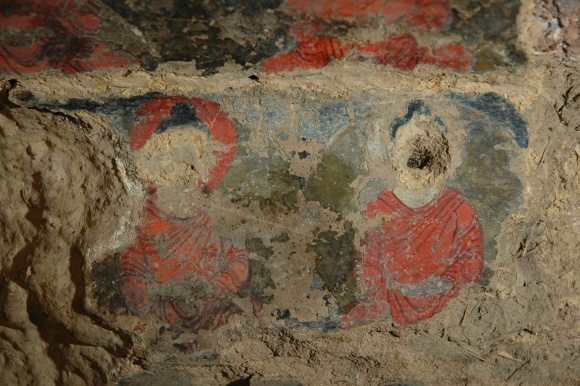
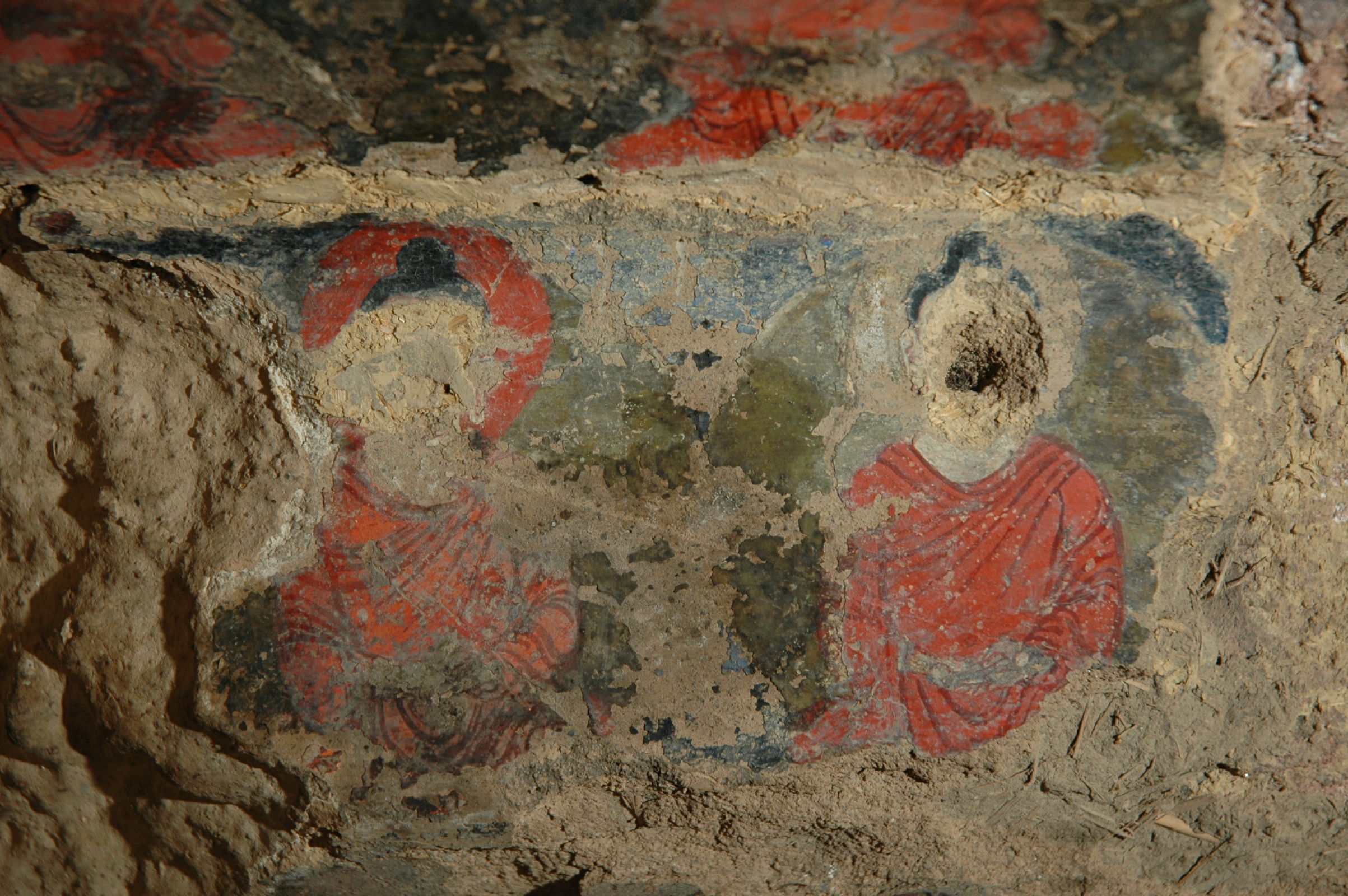
In 2001, religious fundamentalists destroyed two colossal, ancient Buddha statues in the Afghan region of Bamiyan. Behind those statues, there are caves decorated with artwork dating from the 5th to 9th centuries A.D and those also suffered from the destruction of the Taliban along with their natural environment, but recently they became the source of a major discovery.

Scientists at the European Synchrotron Radiation Facility (ESRF) have shown that the paintings were made of oil, hundreds of years before the technique was “invented” in Europe. The results were presented at a scientific conference in Japan last January and are just now published in the Journal of Analytical Atomic Spectrometry.

Red colobus monkeys in a park in western Uganda have been exposed to an unknown orthopoxvirus, a pathogen related to the viruses that cause smallpox, monkeypox and cowpox. Most of the monkeys screened harbor antibodies to a virus that is similar – but not identical – to known orthopoxviruses.

The study was begun in 2006 when Colin Chapman, a researcher at McGill University, invited Goldberg to collaborate on a health assessment of two groups of red colobus monkeys in Kibale National Park, in western Uganda.

Chapman, also an associate scientist with the Wildlife Conservation Society, had spent two decades studying the behavior and ecology of the monkeys. He wanted to broaden the study to include an analysis of the pathogens they carried. Wildlife veterinarians from the Wildlife Conservation Society helped collect the samples, and a team from Oregon Health and Science University, led by Mark Slifka, conducted immunological analyses to characterize the virus.