 Could Niacin Be Added To Glioblastoma Treatment?
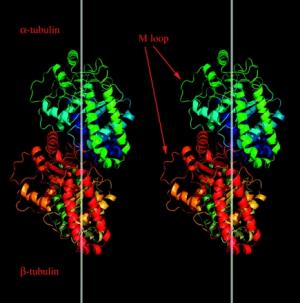
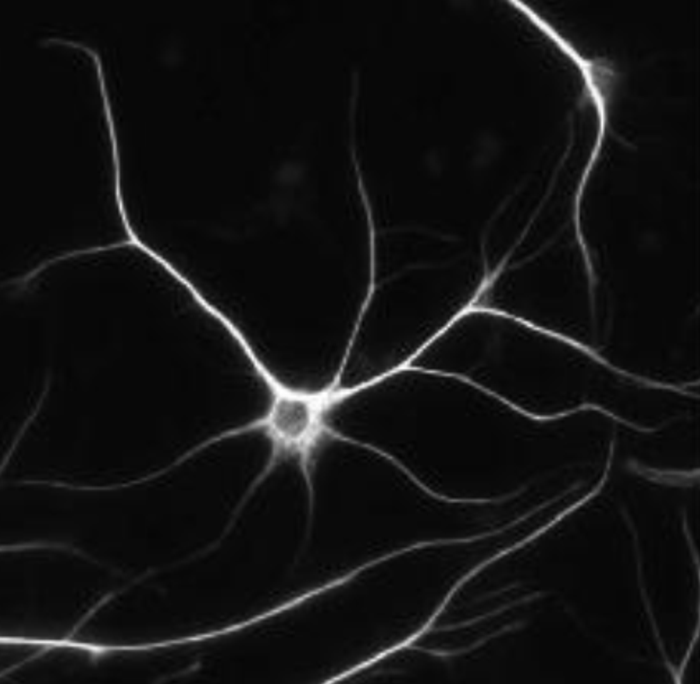
Glioblastoma, a deadly brain cancer, is treated with surgery to remove as much of the tumor as...
 At 2 Months, Babies Can Categorize Objects
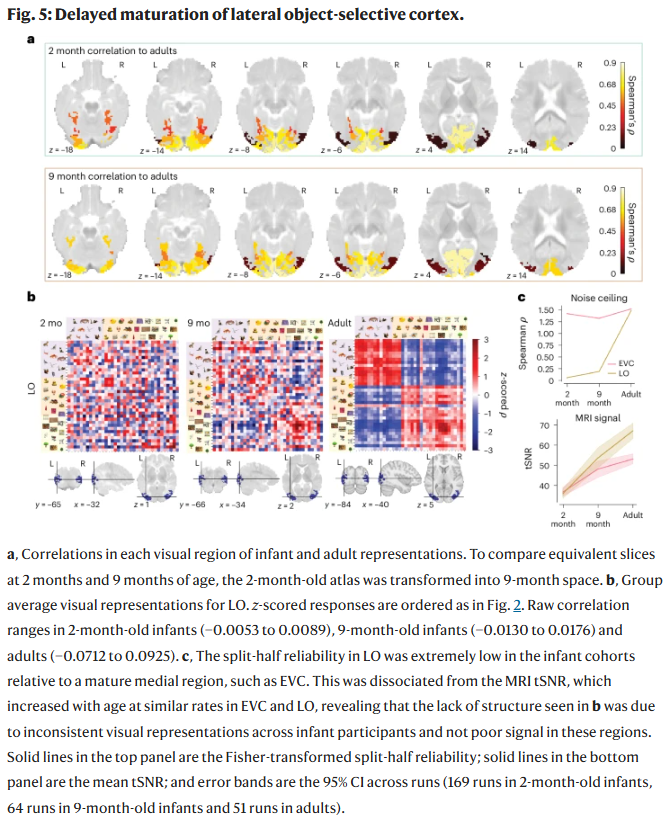
At two months of age, infants lack language and fine motor control but their minds may be understanding...
 Opportunistic Salpingectomy Reduces Ovarian Cancer Risk By 78%
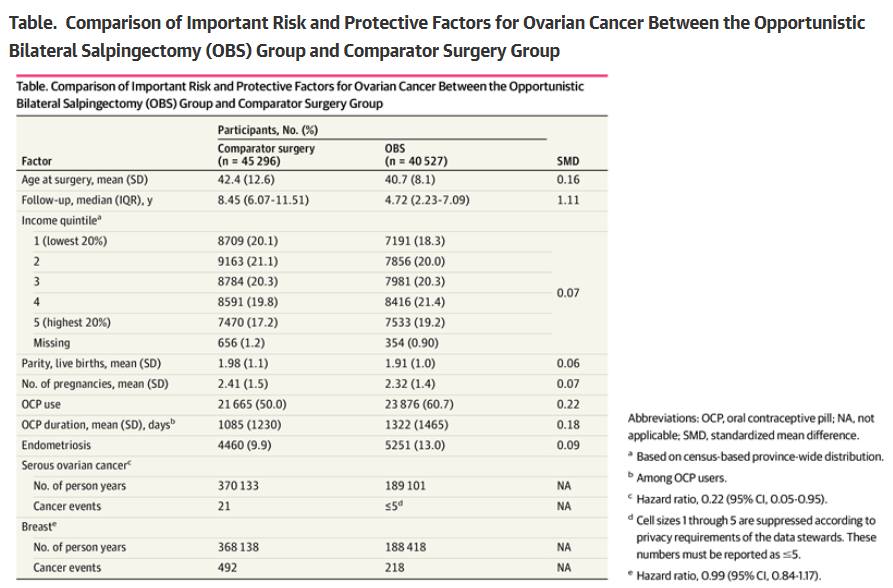
Opportunistic salpingectomy, proactively removing a person’s fallopian tubes when they are already...
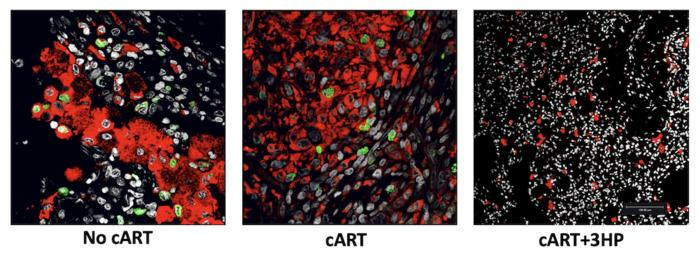 Environmental Activists Hate CRISPR - And They're Dooming People With HIV
Existing treatments control HIV but the immune system does not revert to normal. They is why people...

|
News Staff News Releases From All Over The World, Right To You... Read More » |
Blogroll |