Fake Banner
Environmentalists, What Are You Asking From Dedmoroz Lenin For Earth Day This Year?

Tomorrow is Earth Day. It is also Lenin's birthday. That's not coincidence. The leader of...
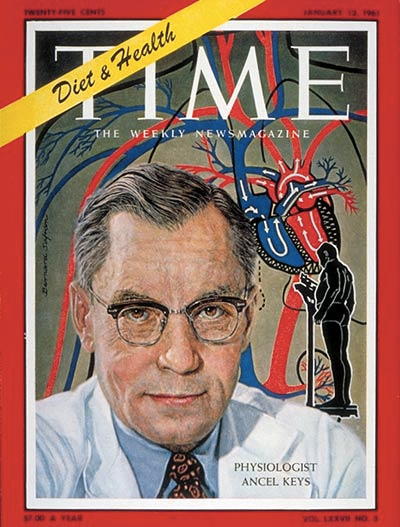
How Ancel Keys Went From MAHA Hero To MAHA Villain

If a lot of the food and health claims you read and hear today seem like things left over from...
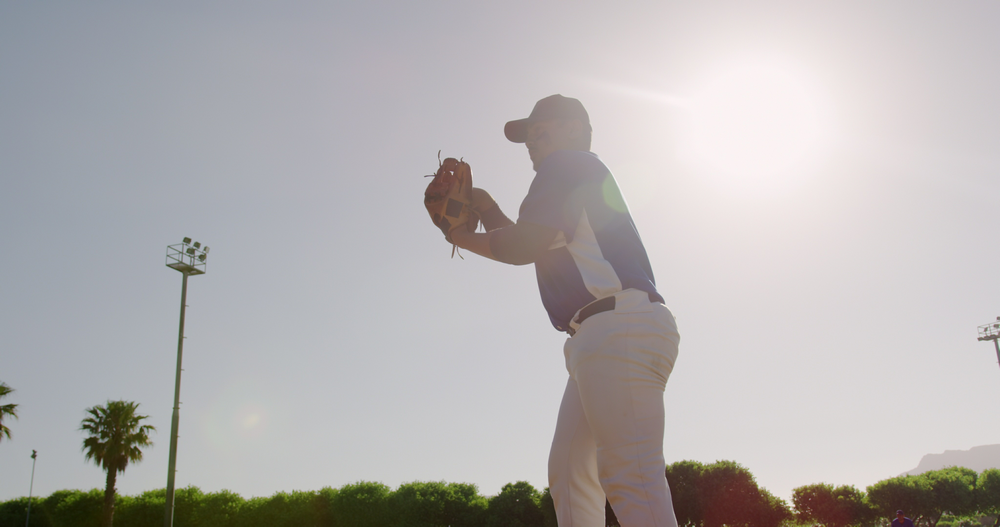
Are Baseball Pitchers Faster Today?

On September 7, 1974, pitching for the California Angels, Nolan Ryan, known for his velocity, became...
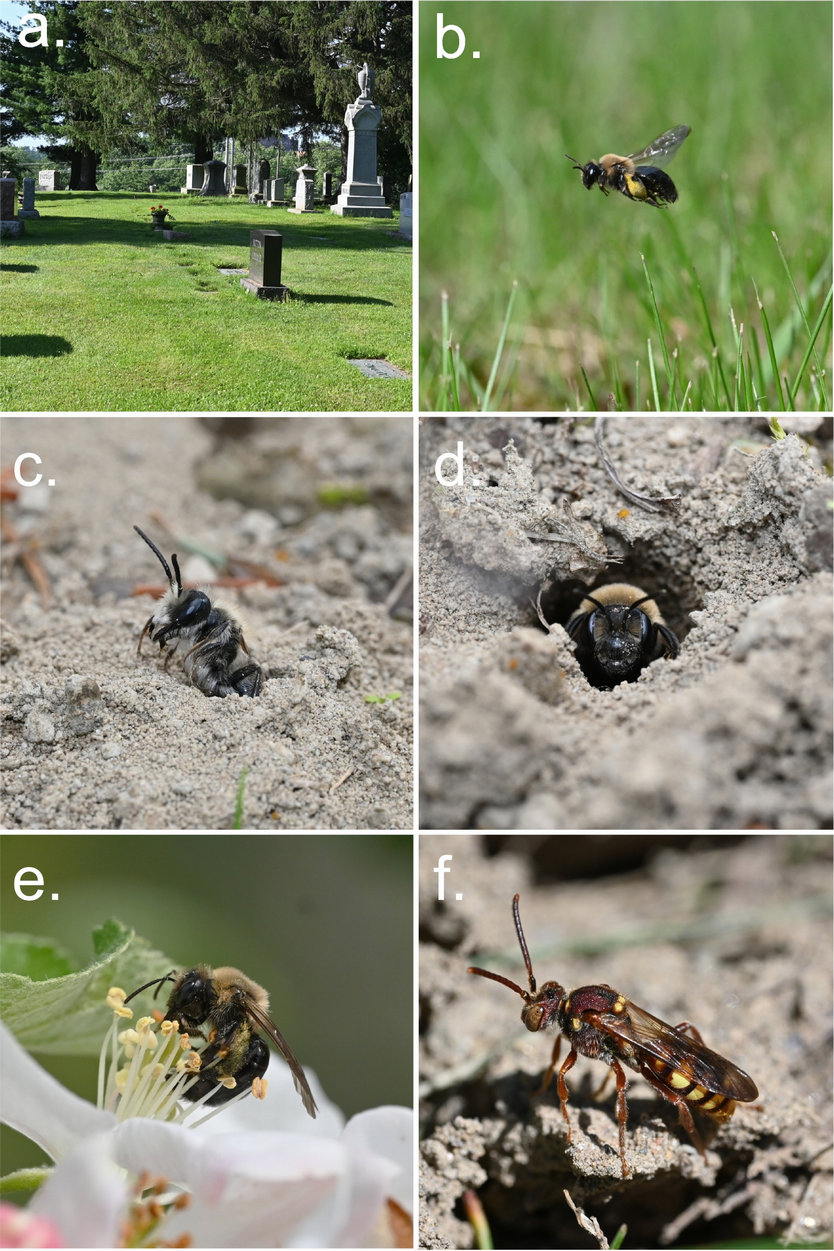
Ground-Nesting Bee Populations Don't Get Publicity But They're Everywhere

Honeybees get attention in environmental fundraising campaigns because people don't understand...

User picture.
picture for Tommaso Dorigopicture for Heidi Hendersonpicture for Fred Phillipspicture for picture for Hontas Farmerpicture for Atreyee Bhattacharya
Hank CampbellRSS Feed of this column.

I founded Science 2.0® in 2006 and since then it has become the world's largest independent science communications site, with over 300,000,000 direct readers and reach approaching one billion. Read More »

Blogroll
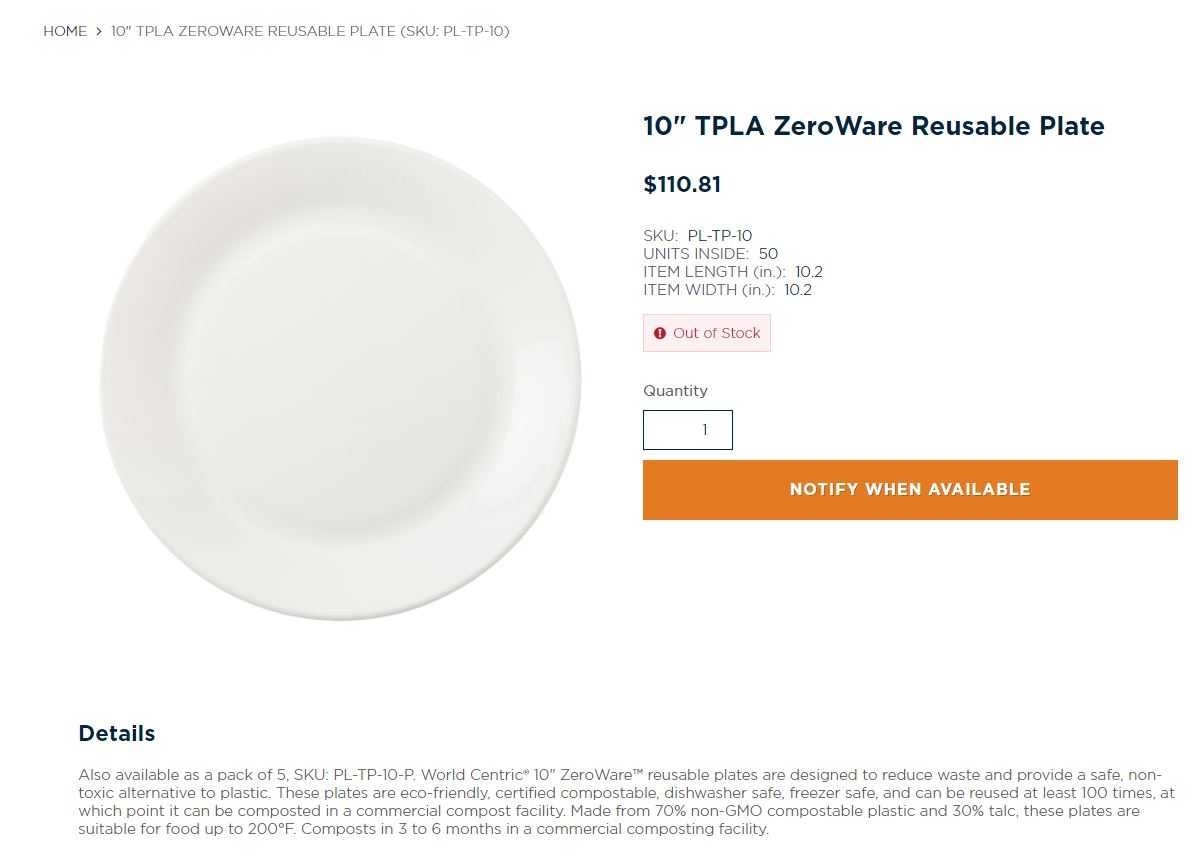
Packages and labels can be a bit of a mess in the 21st century. What is GMO plastic? Who knows? Yet a company named World Centric is selling ZeroWare 2.0 Reusable Dishware - "alternative" tableware they note is not only free of melamine, which they claim is killing people, but is also made from "Non-GMO plastic."

Naturally, I asked their PR rep what Non-GMO plastic was and got no response. Every one of these shady companies claims they are about science and health, but they are about money and will ghost anyone who asks an obvious question, like how they can be an alternative to GMO plastic when plastic has no organism to genetically modify.
On most comedy television shows with episodes dealing with kids and sports, there is likely to be a joke about snack culture; it has to be organic, free-range juice boxes, etc.

The jokes are there because for the script writers, snack culture wasn't a thing for most of them when they were children, nor was it for most parents. The audience will laugh but the screenwriters and the audience are the ones who made snack culture during and after sports the cultural norm. Gatorade was only invented at the University of Florida (home of the Gators football team) when they were adults and didn't become popular until the 1970s, so we can't blame Baby Boomers for this one.
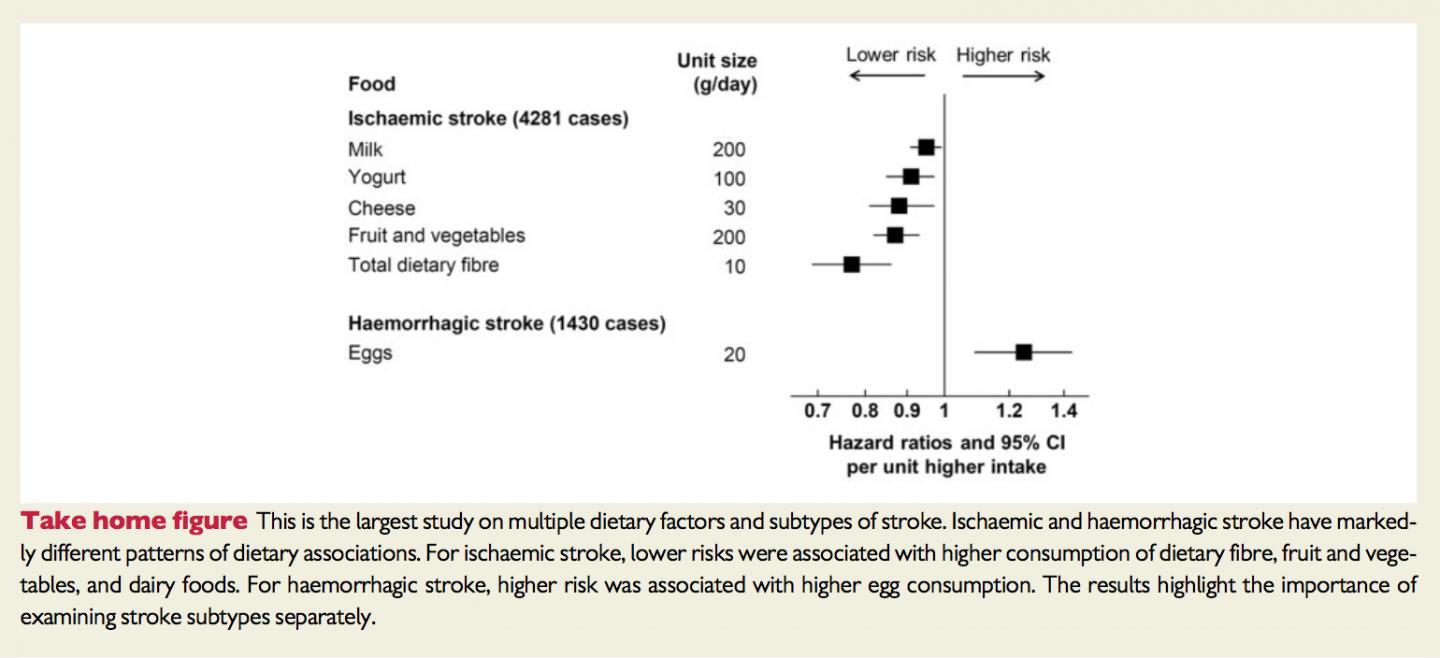
What do you conclude when different foods are claimed to be eaten on surveys by people who have one type of stroke but not another?

Not much. But it will still be a food frequency questionnaire epidemiology paper, the bane of public trust in science. What about confounders? Were people on medication, like statins?  The people who had strokes were 59-60 when they enrolled in the survey, so what about their lifestyle choices prior to that?
A new paper claims that the Mediterranean diet may increase "longevity" and it created its mystical conclusion using the favored magic wand of food studies, epidemiological correlation, sprinkled with biological speculation.

You may be old enough to remember other claims using similar kernels of scientific truth that became popular diet fads; cigarettes, grapefruit, cabbage. the Adkins diet, Paleo. 
A new paper says scientists can make their work more appealing to the public by making it more personal. I learned of it through a paid university PIO but few scientists will see the irony in that.

I certainly agree with the point. I have been part of two communities, science and the military, that in defiance of public perception are filled with hilarious people who have great stories. But when the recorder comes on, it's often like talking to someone in marketing who hasn't been cleared for media by their boss. They clam up or give canned answers.
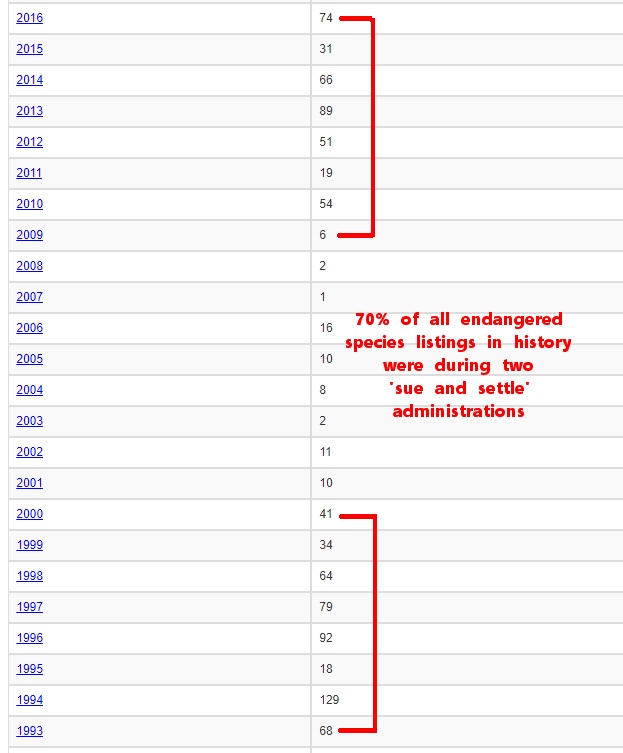
You might know blue whales are an endangered species while pandas are not. Yet there are 25,000 blue whales and only 2,000 pandas.  There are 100,000 sea otters yet they are still classified as endangered. Who drew that line between endangered and not endangered? And why are there suddenly so many more endangered species? A new tiny species might be discovered and someone is immediately petitioning government to declare it endangered, even though there may be lots of them and western ecologists just don't know it.