Fake Banner
Environmentalists, What Are You Asking From Dedmoroz Lenin For Earth Day This Year?

Tomorrow is Earth Day. It is also Lenin's birthday. That's not coincidence. The leader of...
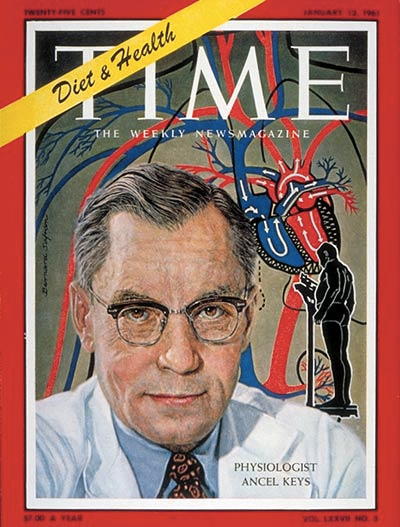
How Ancel Keys Went From MAHA Hero To MAHA Villain

If a lot of the food and health claims you read and hear today seem like things left over from...

Are Baseball Pitchers Faster Today?

On September 7, 1974, pitching for the California Angels, Nolan Ryan, known for his velocity, became...
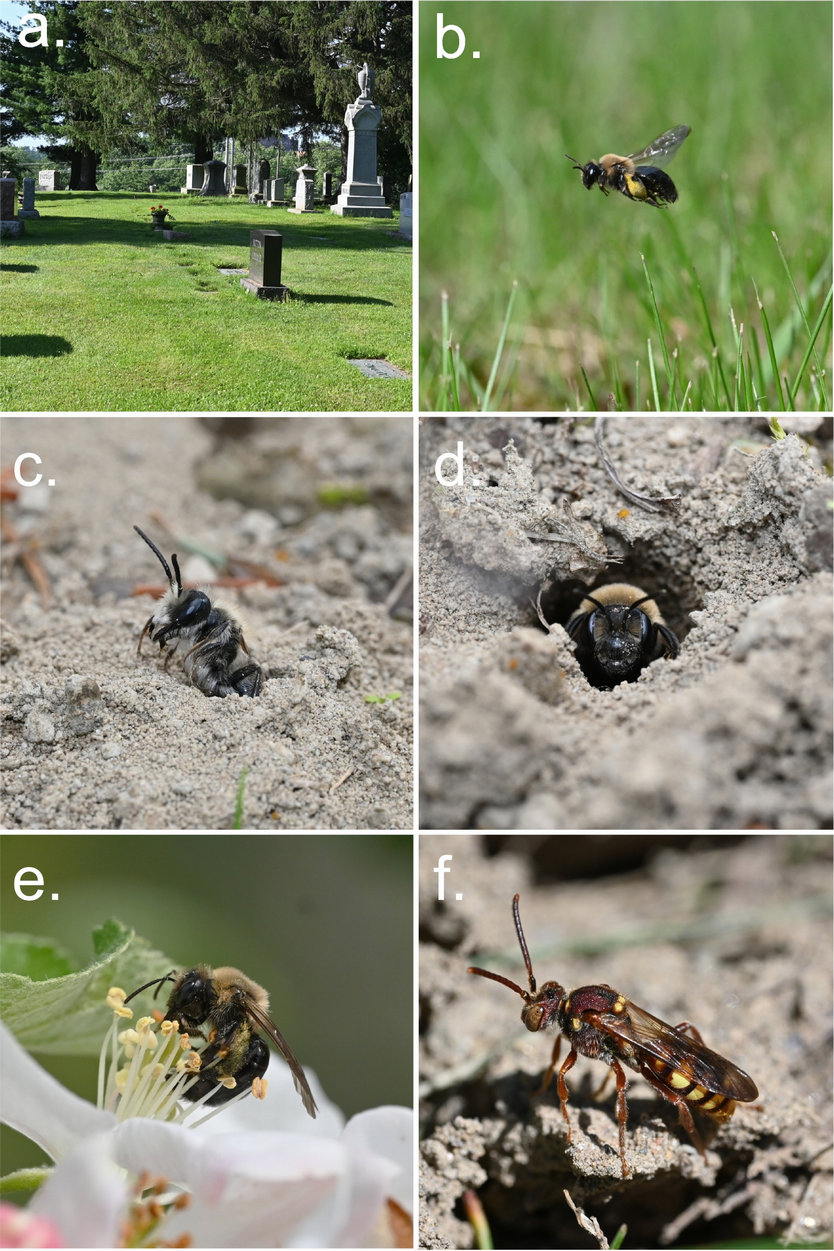
Ground-Nesting Bee Populations Don't Get Publicity But They're Everywhere

Honeybees get attention in environmental fundraising campaigns because people don't understand...

User picture.
picture for Tommaso Dorigopicture for Heidi Hendersonpicture for Fred Phillipspicture for picture for Hontas Farmerpicture for Atreyee Bhattacharya
Hank CampbellRSS Feed of this column.

I founded Science 2.0® in 2006 and since then it has become the world's largest independent science communications site, with over 300,000,000 direct readers and reach approaching one billion. Read More »

Blogroll
Colony Collapse Disorder, the belief that honeybees, an important pollinator, are being killed off in droves, has been good for environmental fundraising but hasn't had a scientific foundation.

Nonetheless, it has persisted for 10 years despite data showing that periodic die-offs in bees are as common, and therefore predictable, as solar cycles and California droughts. From the time that records of bees were formally kept, there were reports of mass die-offs without explanation, a thousand years before pesticides even existed.

A group called US Right To Know is embracing the rich history of the anti-science movement; a history filled with lots of revenue for smear campaigns against scientists, companies in the science business, and more overtly, political allies opposed to the same science they are.

Dr. Norm Borlaug, Nobel Laureate and "Father of the Green Revolution" was obviously a big believer in advancing an evidence-based, pro-science approach to food, He saw the need for debunking the myths that a generation of environmental groups began creating in the 1960s: Those groups believed that science was doing more harm than good, and we simply had to resign ourselves to famine and starvation and Draconian measures might need to be taken to control the population.

U.S. Right To Know is a small marketing group devoted primarily to endorsing the organic food process and undermining conventional agriculture. Nearly 100 percent of their funding comes from organic food companies, and they seem to believe that for organic food to be cost-effective, regular farming has to become more expensive. (1) Like Sourcewatch, Mother Jones and a few others, they are what the science community calls Deniers For Hire, the junkyard dogs of politically partisan anti-science groups. They hate farmers, and they hate affordable energy, but they hate scientists and doctors most of all. (2)

After a successful Women's March to protest statements made by President Donald Trump about women in 2005, and other issues, a group of science advocates got the idea for a similar "Science March" to protest the President's restriction on use of social media by the Environmental Protection Agency. And ostensibly to support science.

Earlier today, President-Elect Donald Trump met with Robert F. Kennedy, Jr. and, at least according to RFK, Jr., wants the prominent Democratic anti-vaccine activist to head a commission on vaccine safety.