Fake Banner
Environmentalists, What Are You Asking From Dedmoroz Lenin For Earth Day This Year?

Tomorrow is Earth Day. It is also Lenin's birthday. That's not coincidence. The leader of...
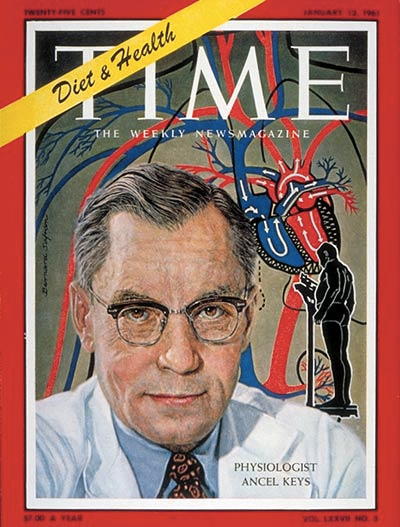
How Ancel Keys Went From MAHA Hero To MAHA Villain

If a lot of the food and health claims you read and hear today seem like things left over from...
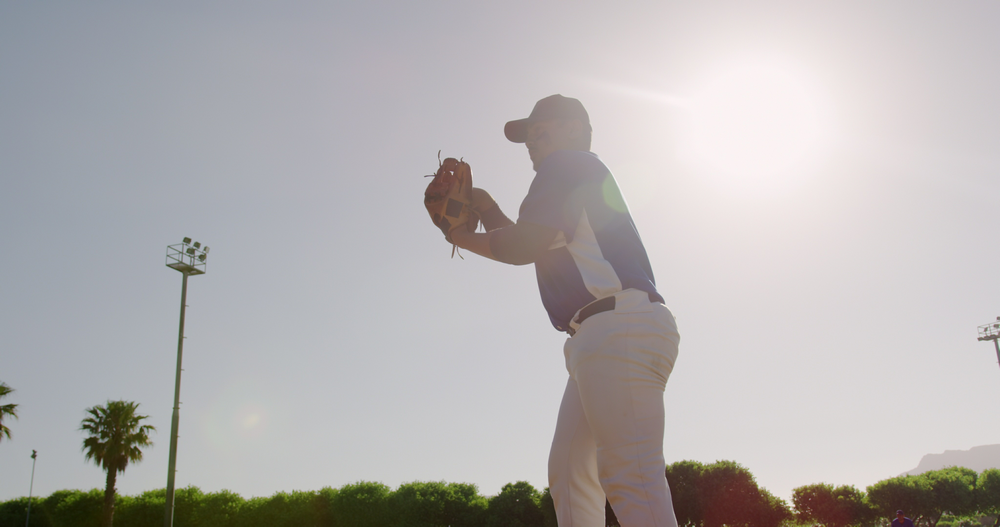
Are Baseball Pitchers Faster Today?

On September 7, 1974, pitching for the California Angels, Nolan Ryan, known for his velocity, became...
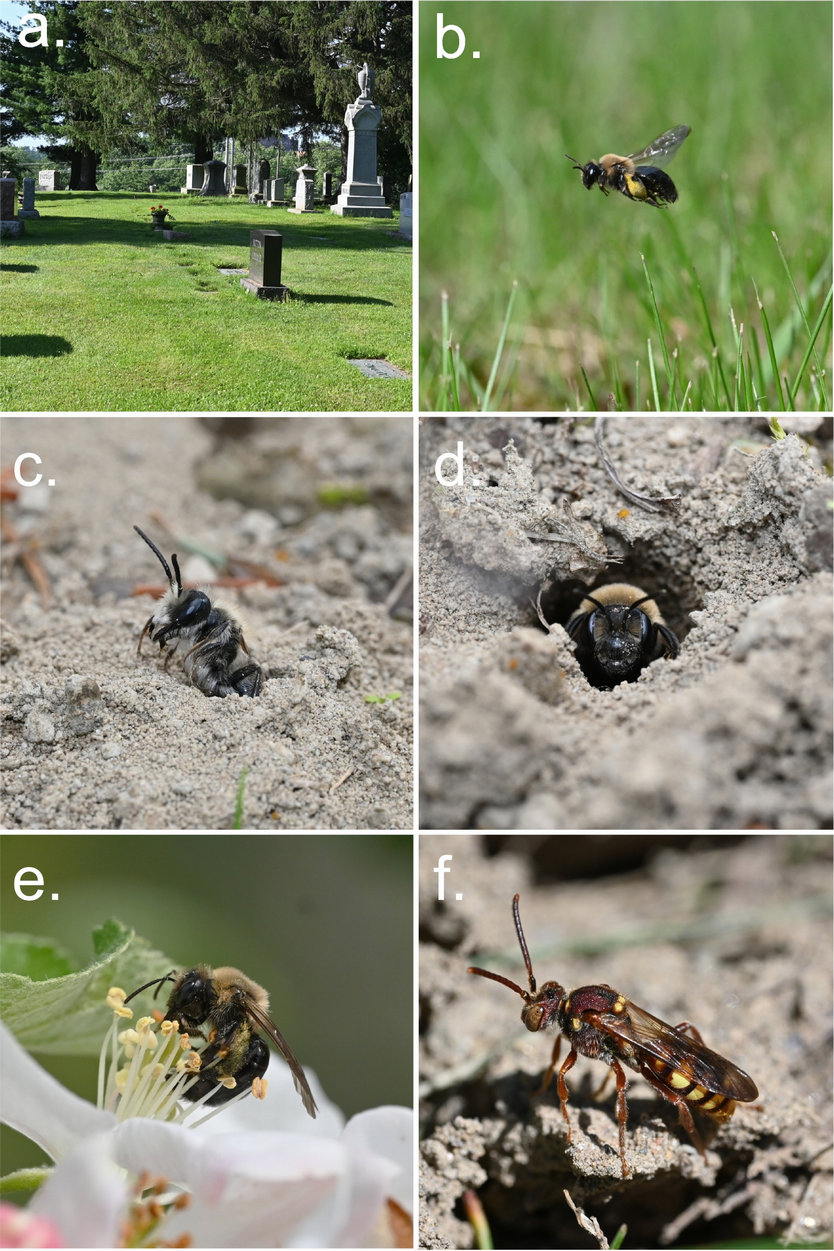
Ground-Nesting Bee Populations Don't Get Publicity But They're Everywhere

Honeybees get attention in environmental fundraising campaigns because people don't understand...

User picture.
picture for Tommaso Dorigopicture for Heidi Hendersonpicture for Fred Phillipspicture for picture for Hontas Farmerpicture for Atreyee Bhattacharya
Hank CampbellRSS Feed of this column.

I founded Science 2.0® in 2006 and since then it has become the world's largest independent science communications site, with over 300,000,000 direct readers and reach approaching one billion. Read More »

Blogroll
At a secret enclave in the San Francisco metropolitan area, synthetic biologists and DIYBio tinkerers have been hacking nature up to fix the one thing about the vegan diet that would be difficult for many Americans: going without cheese.
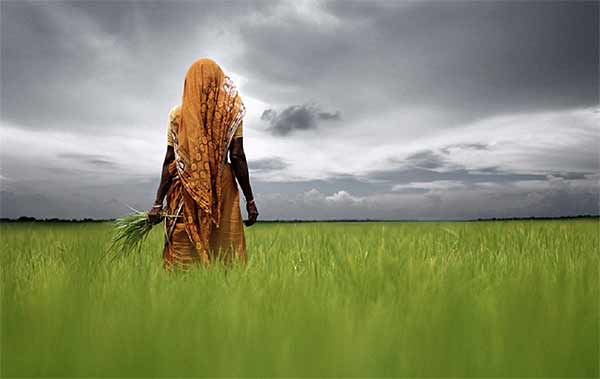


iGEM - the 10th international Genetically Engineered Machine competition - is tackling expressing casein proteins in yeast to make cheese. Not a cheese substitute, real cheese, without milk from a cow or a goat.  


In America, radical environmental groups get something of a cultural free pass. 

It's understandable, because America is a two-party country. Due to that, otherwise scientifically literate Democrats will rationalize the anti-vaccine, anti-GMO and anti-nuclear members under their umbrella as being 'anti-corporate' while scientifically literate Republicans don the same blinders about climate science and denial of evolution.

George Dyson. Credit: edge.org

If you read about Big Data for very long, a quote from science historian George Dyson is sure to come up: "Big data is what happened when the cost of keeping information became less than the cost of throwing it away." 

That will be a platform to talk about the challenges, etc.

But there is a bigger problem that shows the challenges of Big Data - that isn't what Dyson said. But like with Einstein quotes about bees, in a Google world, where accuracy is measured by how often you are repeated and thus make it to the top of search engines, the Big Data problem is accuracy, not volume.
Years ago, when science media was generally in decline, both financially and content-wise, I held up Popular Science as the poster child for how to be successful: Appeal to your market and stay out of the culture wars.

Things have changed, and they have begun the slow, sad decline already experienced by their competitors, which got those companies sold for peanuts. Their editorial tone began to be called out in comments, leading to their online content editor to declare, in elitist tones that would make any cultural mullah proud, that "shrill, boorish specimens of the lower Internet phyla" had spoiled it for everyone and they were shutting off comments.


"Going Deep" With David Rees premieres tonight on National Geographic Channel and if you have little time to decide whether or not to watch it, you are in luck because I can be brief - it's a good show.

"Going Deep" is fun for all ages and levels of expertise because he starts into the concepts and then really goes deep, just like he says he will.