Fake Banner
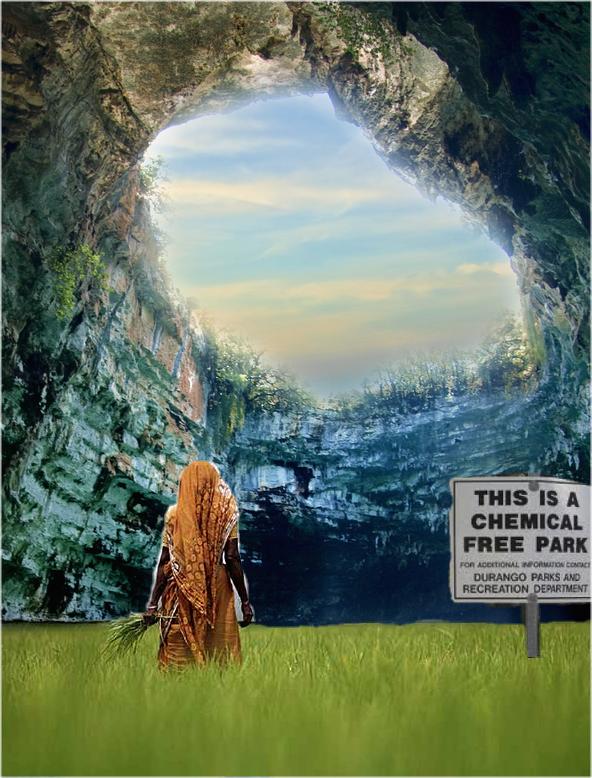
Environmentalists, What Are You Asking From Dedmoroz Lenin For Earth Day This Year?

Tomorrow is Earth Day. It is also Lenin's birthday. That's not coincidence. The leader of...
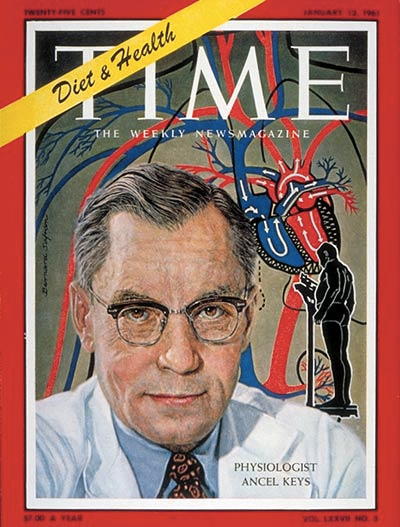
How Ancel Keys Went From MAHA Hero To MAHA Villain

If a lot of the food and health claims you read and hear today seem like things left over from...
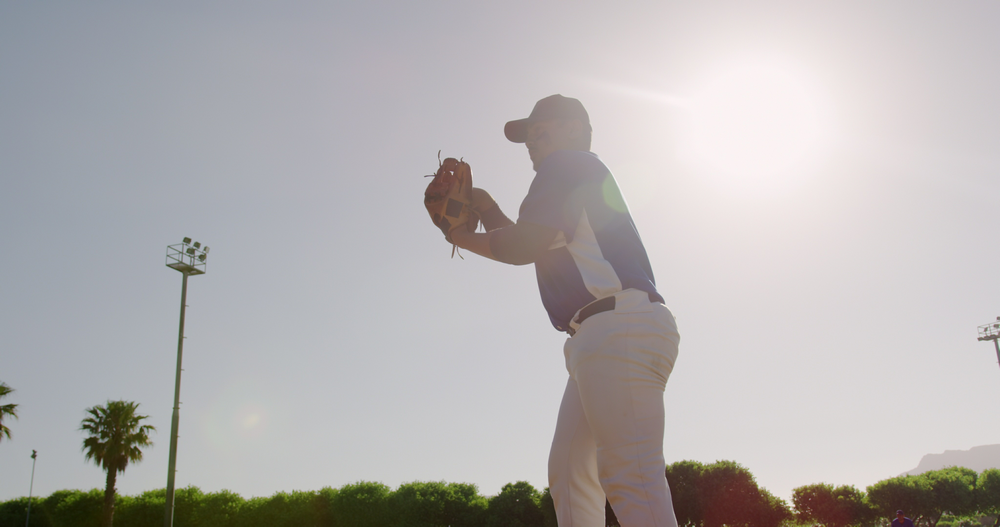
Are Baseball Pitchers Faster Today?

On September 7, 1974, pitching for the California Angels, Nolan Ryan, known for his velocity, became...
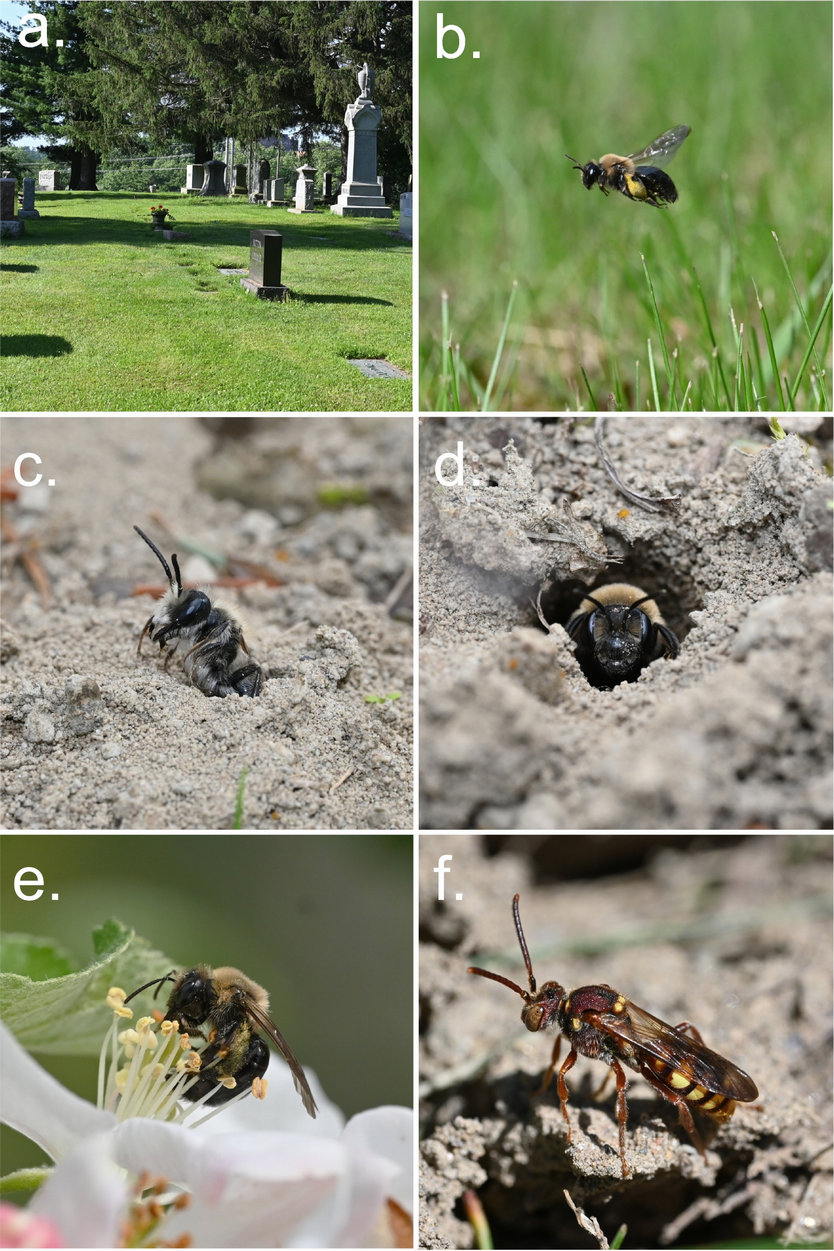
Ground-Nesting Bee Populations Don't Get Publicity But They're Everywhere

Honeybees get attention in environmental fundraising campaigns because people don't understand...

User picture.
picture for Tommaso Dorigopicture for Heidi Hendersonpicture for Fred Phillipspicture for picture for Hontas Farmerpicture for Atreyee Bhattacharya
Hank CampbellRSS Feed of this column.

I founded Science 2.0® in 2006 and since then it has become the world's largest independent science communications site, with over 300,000,000 direct readers and reach approaching one billion. Read More »

Blogroll

Are you worried that genetically modified corn will imperil the earth and ruin your organic sticker status if the air blows toward your fields?

Horticulturalists have a solution; let science grow transgenic crops that can feed billions and create high-value medicinal antibodies. Organic believes can put their corn in caves. 

This morning I was on the nationwide agriculture radio program, AgriTalk, hosted by Mike Adams.

This is the rational Mike Adams, not the "Health Ranger" conspiracy theorist. Mike brings up all of the key points - that people simultaneously say they want to embrace science but then pick and choose the science that matches their other cultural beliefs, that over-regulating food in ways that don't impact safety are a slippery slope to damaging the engine that drives the country, and that we're in danger of being spoiled a little by cheap food, to such an extent we might start to think it is okay not to have domestic food regarded as vital.

Prof. Jean-Claude Bradley, a true open science pioneer, has passed away.

Many people worked with him, he was willing to challenge the status quo and that means a lot of people wanted to be around him - he was one of the earliest scientists to sign up to help Science 2.0 after this first component launched. I don't know how he heard of us, he was just in tune with the broad science community that way.
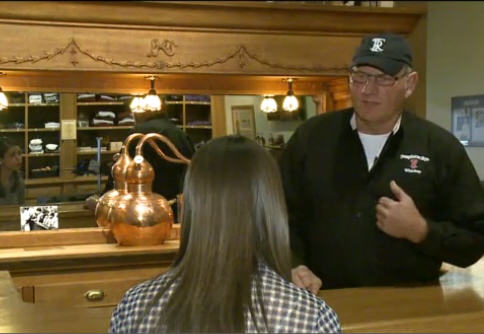
If you're like me, you always throw a little Pabst Blue Ribbon on meat. Some people use whiskey in their marinade.

At the Templeton Rye Distillery in Templeton, Iowa they are cutting out the middleman - they are trying to create pork that already tastes like whiskey. 
Vermont is still milking the slavery thing.

Yes, yes, you were first to ban it. It's easy to ban something you never had in the first place. That does not mean you are right in everything you ban and, let's face it, comparing GMOs to slavery is a little weird, even for Vermont.

Nonetheless, “We’re first again,” gushes organic farmer Will Allen in The Economist, which makes the rest of the country wonder if it is the organic farming or the Vermont air that makes people goofy.
American Council on Science and Health is an advocacy group consisting of hundreds of scientists, doctors and policy experts devoted to science outreach. They've been around since the 1970s, when the core of their original group, including Nobel Laureate Norman Borlaug, the "father of the Green Revolution", wondered why there were no science groups that offset the wonks promoting fear and doubt about researchers.

Since then, they have gone where the data takes them. Co-founder Dr. Elizabeth Whelan has been attacked by both food fetishists and Big Tobacco for promoting inconvenient truths about science. Bipartisan disdain means they are probably right where they need to be.