Fake Banner
Environmentalists, What Are You Asking From Dedmoroz Lenin For Earth Day This Year?

Tomorrow is Earth Day. It is also Lenin's birthday. That's not coincidence. The leader of...
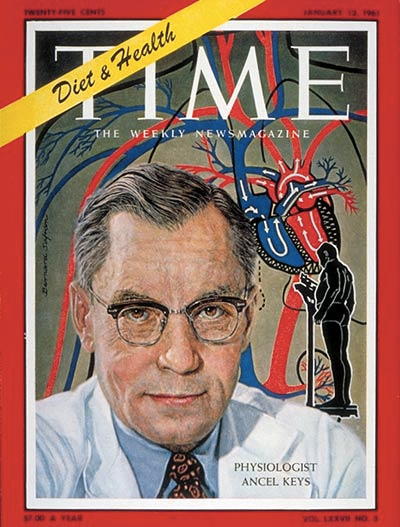
How Ancel Keys Went From MAHA Hero To MAHA Villain

If a lot of the food and health claims you read and hear today seem like things left over from...

Are Baseball Pitchers Faster Today?

On September 7, 1974, pitching for the California Angels, Nolan Ryan, known for his velocity, became...

Ground-Nesting Bee Populations Don't Get Publicity But They're Everywhere

Honeybees get attention in environmental fundraising campaigns because people don't understand...

User picture.
picture for Tommaso Dorigopicture for Heidi Hendersonpicture for Fred Phillipspicture for picture for Hontas Farmerpicture for Atreyee Bhattacharya
Hank CampbellRSS Feed of this column.

I founded Science 2.0® in 2006 and since then it has become the world's largest independent science communications site, with over 300,000,000 direct readers and reach approaching one billion. Read More »

Blogroll

On a per capita electricity production basis, environmentalists are winning the war on energy

Electricity for all, which was once considered the goal of technological progress, is now treated like a giant step on the road to an ecological Apocalypse. As a result, we've increased regulation and decreased generation and the price per kilowatt-hour has gone up and supply per capita has gone down. We can thank a confluence of bad ideas, chiefly subsidies for inefficient and expensive green alternatives, penalties for coal and natural gas, and a war on nuclear science.

I understand why someone living in the city might get a slice of pizza - they don't want to carry a box of pizza back to the office, and there is something nice about sitting down and having a quick bite.

But I have never understood why anyone buys a medium pizza, much less a small. If you understand what a circle is, and you understand what a dollar is, it makes no sense.

First, the dollar. The economics should be obvious; like buying any food in bulk, you can see there are fixed costs. A small pizza or a large has someone making it, it has an oven in a shop. Those costs are fixed regardless of which pizza you get. The actual ingredient differences between a small and a large are not a big cost.

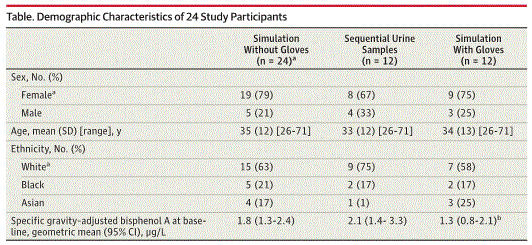
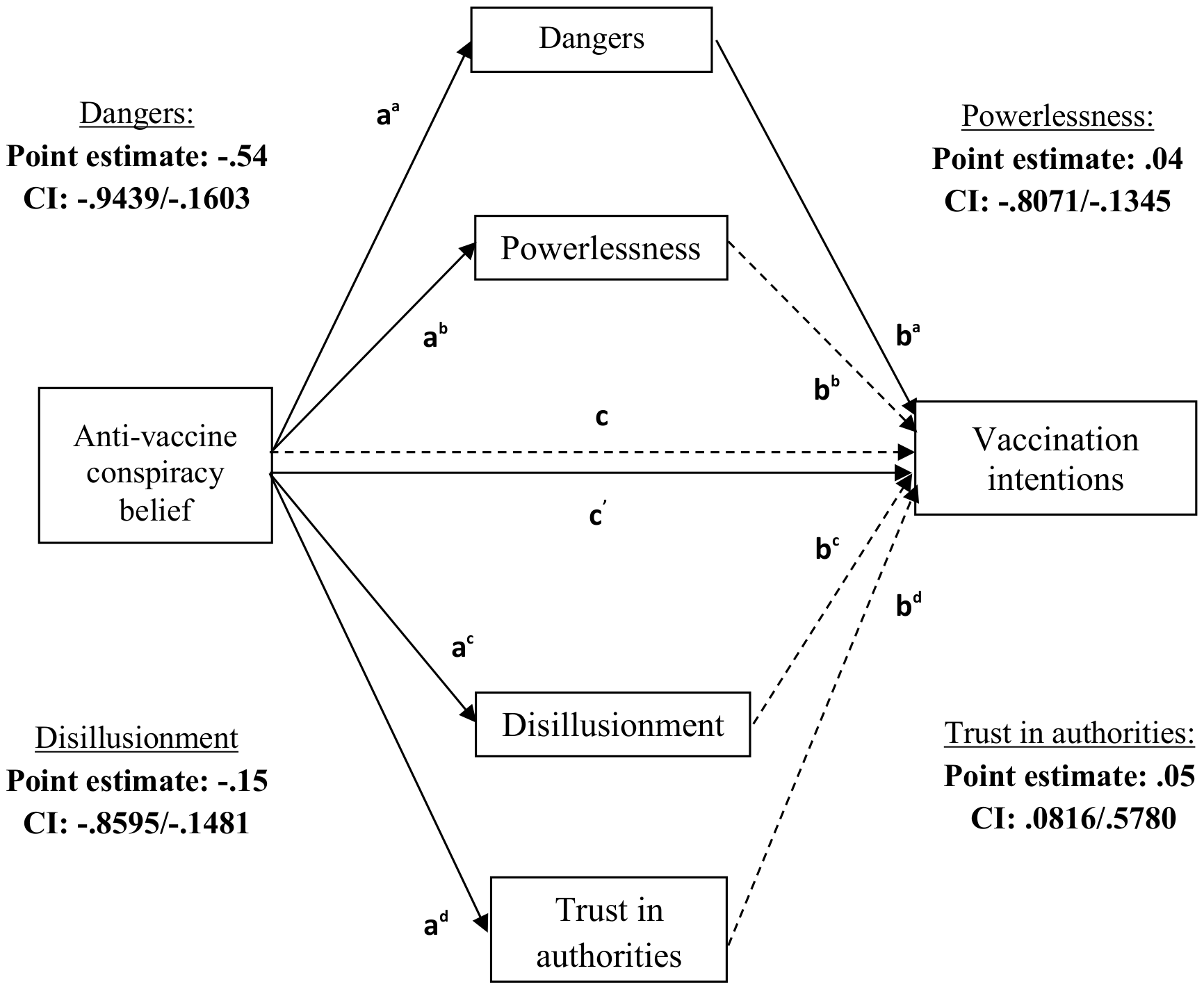
Human exposure to bisphenol A (BPA) has recently been linked to negative health claims, like a decline in reproductive function in adults and stunted neurodevelopment in children, and so people consumed with the 'natural' fallacy have been up in arms about it.  It hasn't quite become 'BPA causes autism' hysteria, like they did with vaccines, but it is getting close. 

Naturally, companies have listened to the nocebo worries of the natural-obsessed and dutifully created BPA-free products and charged more money for them.

Do you think pharmaceutical companies are creating problems that don't exist in order to keep selling drugs to an increasingly over-medicated population? Do you think scientists are unethical if they work at a corporation like DuPont or in nuclear science, rather than being funded by the government?

Such beliefs have become so increasingly mainstream among a particular political and cultural demographic that we can quite easily make lots of accurate determinations about them, the same way we can infer things about someone if they don't buy into global warming.

A cookbook editor in the New York Times says I am wrong on the gluten-free fad and that, if it makes people feel better to buy gluten-free, to leave them alone. 

Well, well, well, look at the New York Times embracing libertarianism and food choice when it comes to fads their demographic happens to embrace. Like with sugar and GMOs, they want science and reason to stay out of it, because those are weird fetishes of a large chunk of their readership, while we are constantly told how stupid people are if they don't accept global warming. Right?

David Perlmutter, MD, became well-known last year as the best-selling author of Grain Brain, which demonizes wheat (and, of course, gluten) and he recently claimed that simple dietary changes would prevent half of Alzheimer's cases