Fake Banner
Environmentalists, What Are You Asking From Dedmoroz Lenin For Earth Day This Year?

Tomorrow is Earth Day. It is also Lenin's birthday. That's not coincidence. The leader of...
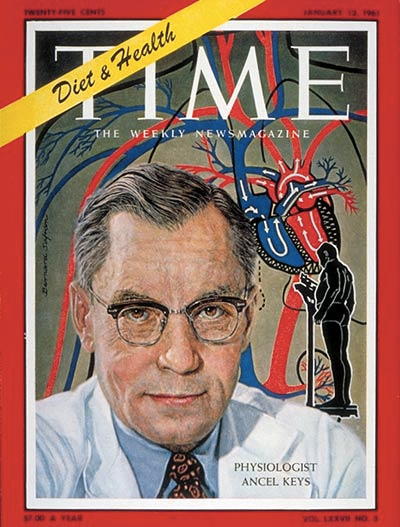
How Ancel Keys Went From MAHA Hero To MAHA Villain

If a lot of the food and health claims you read and hear today seem like things left over from...
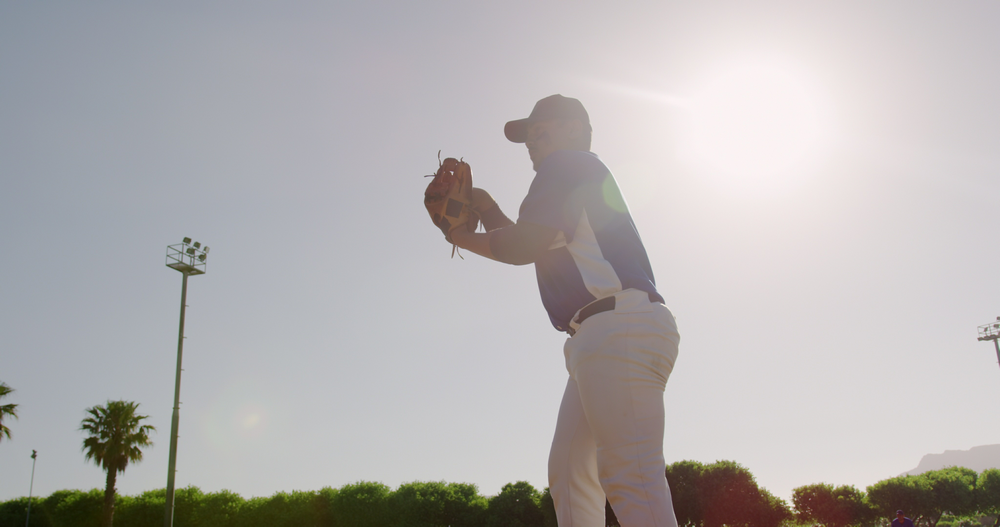
Are Baseball Pitchers Faster Today?

On September 7, 1974, pitching for the California Angels, Nolan Ryan, known for his velocity, became...
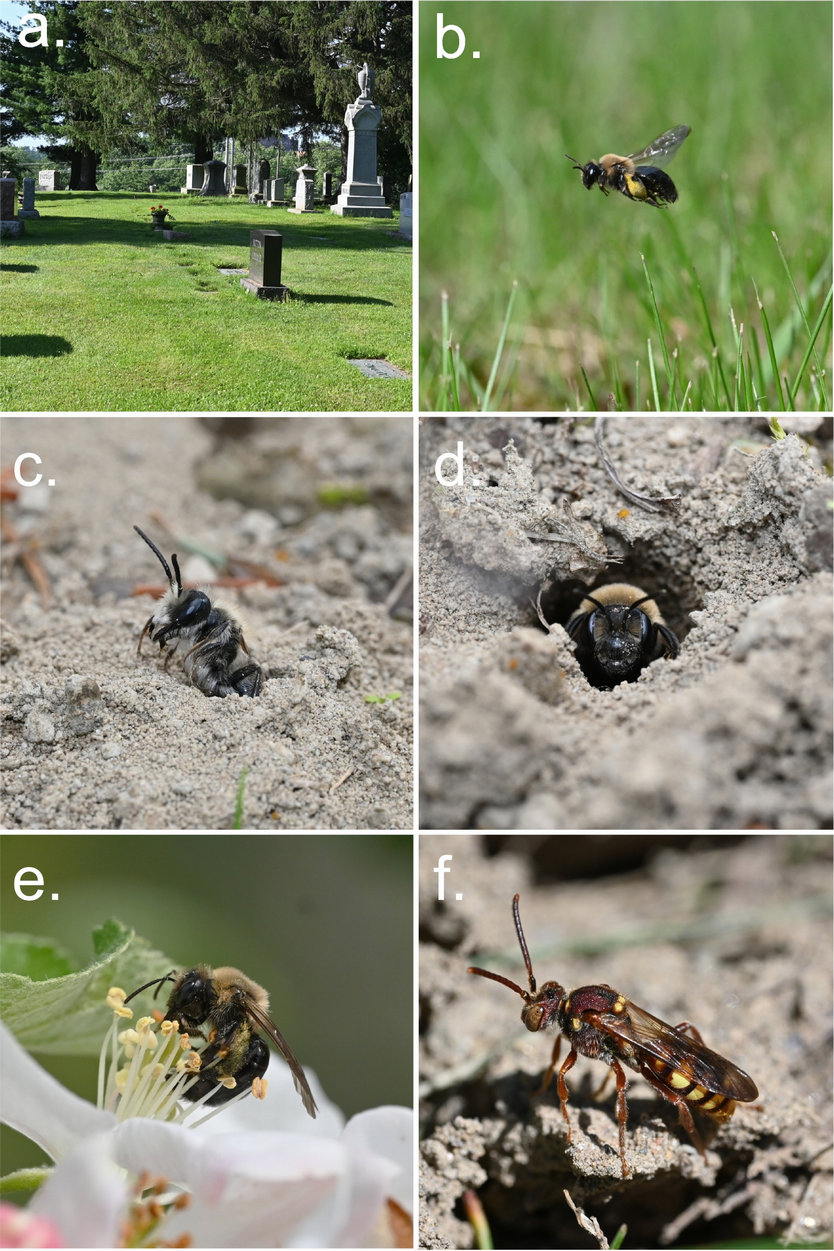
Ground-Nesting Bee Populations Don't Get Publicity But They're Everywhere

Honeybees get attention in environmental fundraising campaigns because people don't understand...

User picture.
picture for Tommaso Dorigopicture for Heidi Hendersonpicture for Fred Phillipspicture for picture for Hontas Farmerpicture for Atreyee Bhattacharya
Hank CampbellRSS Feed of this column.

I founded Science 2.0® in 2006 and since then it has become the world's largest independent science communications site, with over 300,000,000 direct readers and reach approaching one billion. Read More »

Blogroll
If you live in California, you can never get too amazed by the 9th Circuit Court of Appeals. If there is a progressive position that an activist court can take, they usually take it.

If you can't go to a national chain store and get your eyes checked and buy glasses, the 9th is why - they ruled that is medical care and health care is not interstate in America. Sure, we can mandate health care and force people to pay for it under the Commerce clause, but for some reason we can't let people buy prescription glasses from an out-of-state company.
If you are a particle physicist, and not French, your career at Conseil Européen pour la Recherche Nucléaire  - CERN, The European Organization for Nuclear Research and the world's largest physics laboratory - may be rather limited, it seems.
Some people believe the Intergovernmental Panel on Climate Change (IPCC) is a small, unified body composed of the best scientists who make proclamations on lots of things.

That isn't really true. The actual IPCC is a tiny UN group, around a dozen people, but the bulk of the data is compiled by unpaid (well, unpaid by the UN) scientists who participate in working groups that argue over the science - it is not without some flaws. They use geographical and gender parameters for participation so a working group may not have the best scientists in the world, some will have been chosen because they needed to meet a cultural quota - and they still get to be heard. 
There are some places where food is easy to grow and some where it is not. Nature is not fair.

Expecting companies in countries with food to ship it everywhere for free is not practical and the poorest people don't have the money to import food, so they are stuck in a hunger Catch-22. There are differing schools of thought on how to solve the problem.

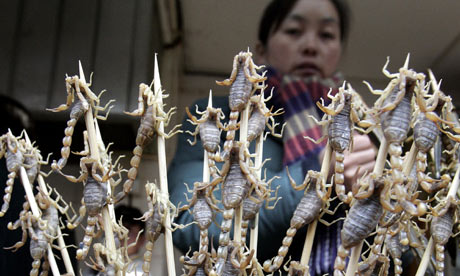
The positive approach - science - is to make it possible for food to grow in areas where food cannot grow now. Plants can be optimized scientifically to thrive in areas where they ordinarily would not. Then there is a less positive approach; tell poor people to eat bugs.
Not getting the message that emissions are bad?  A new paper claims that air pollution and emissions from coal-fired electricity plants are associated with higher suicide rates right along with psychiatric conditions.
Responsible energy production would seem to have an obvious positive roadmap; have energy companies include environmental groups in guiding pollution standards and participating in studies about natural gas extraction.

But for entrenched constituencies, that is unacceptable.