Fake Banner
Environmentalists, What Are You Asking From Dedmoroz Lenin For Earth Day This Year?

Tomorrow is Earth Day. It is also Lenin's birthday. That's not coincidence. The leader of...
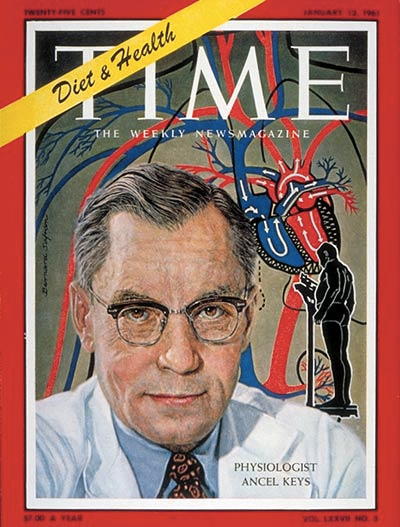
How Ancel Keys Went From MAHA Hero To MAHA Villain

If a lot of the food and health claims you read and hear today seem like things left over from...
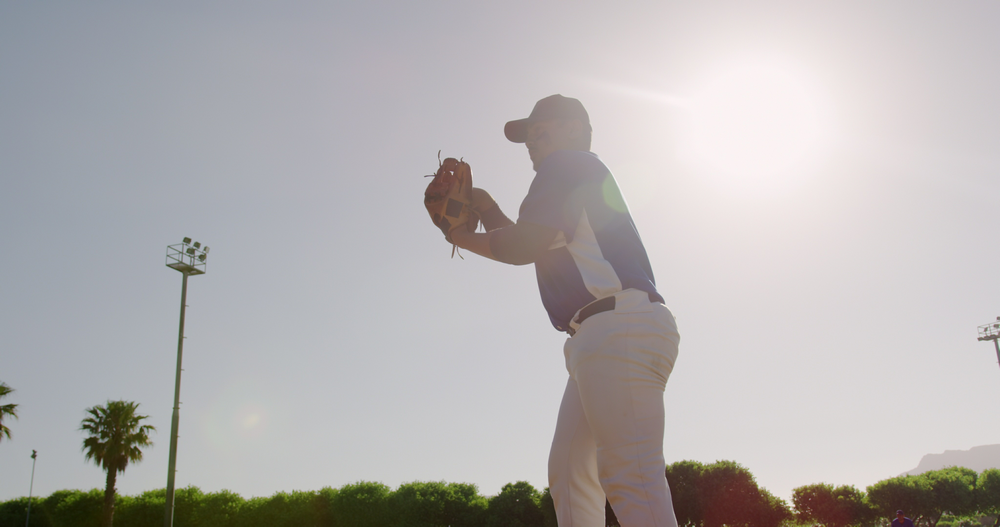
Are Baseball Pitchers Faster Today?

On September 7, 1974, pitching for the California Angels, Nolan Ryan, known for his velocity, became...
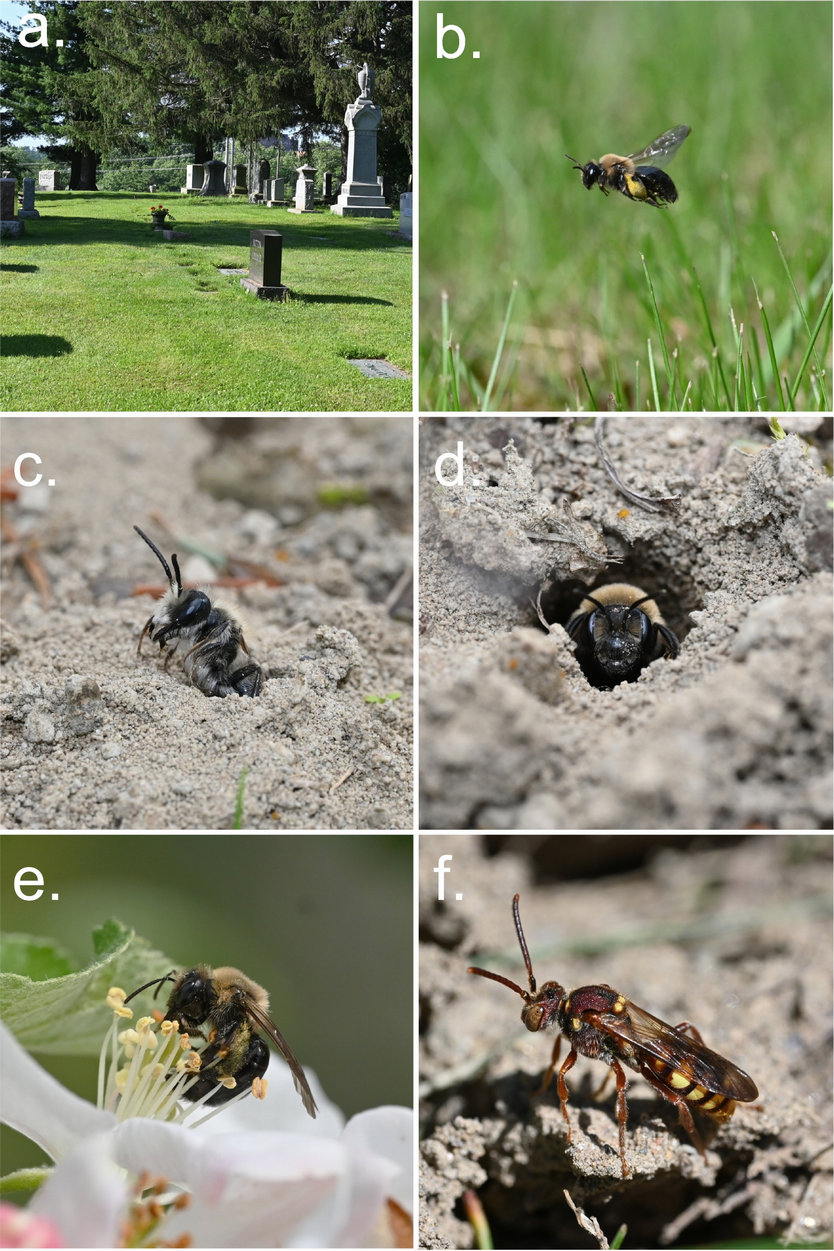
Ground-Nesting Bee Populations Don't Get Publicity But They're Everywhere

Honeybees get attention in environmental fundraising campaigns because people don't understand...

User picture.
picture for Tommaso Dorigopicture for Heidi Hendersonpicture for Fred Phillipspicture for picture for Hontas Farmerpicture for Atreyee Bhattacharya
Hank CampbellRSS Feed of this column.

I founded Science 2.0® in 2006 and since then it has become the world's largest independent science communications site, with over 300,000,000 direct readers and reach approaching one billion. Read More »

Blogroll
Look, we all know smoking is bad for you by now.  We don't need to spend billions of dollars telling people that but an entire industry has been built around getting people to stop, and it is primarily funded by penalties on tobacco companies and taxes.   It's a truly parasitic relationship but it isn't going anywhere and anti-smoking groups need smokers to stay in business.  Apparently so do some researchers.
I have said many times I think people are terrifically smart; they know a lot of science, though they tend to frame it through their politics.    

The numbers bear me out - science literacy in adults has tripled since I went to college but even that was framed in a "it's not enough" context by some science writers and while there are 65 million people just in the US who are interested in science, the perception by scientists is that people don't care.
Five years into the Science 2.0 experiment I can tell you down to the eyeball how many people are involved in the communication pillar of it - but in the collaboration realm, it's not so easy.

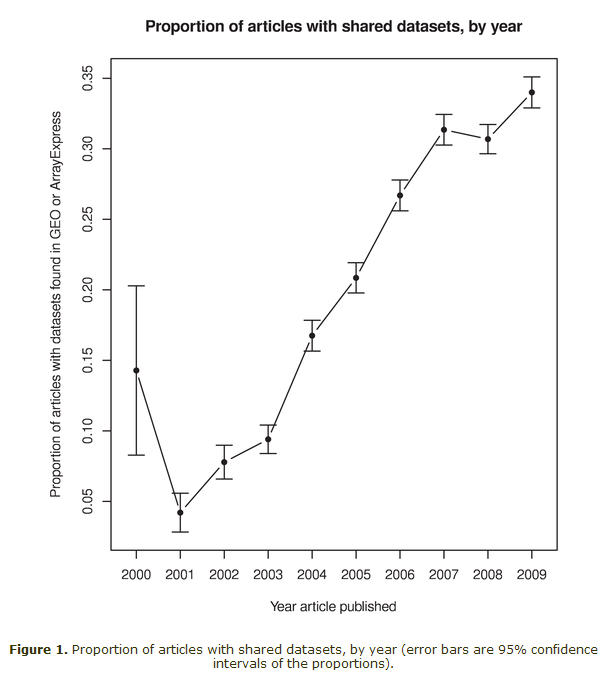
Science 2.0 fave Heather A. Piwowar from the Department of Biomedical Informatics at Pitt recently gave it a shot, and the answer was...it's unknown.
In a sign that media people don't always understand media - especially social media - The Cool Blue Company LLC is proud to announce the world's first print magazine dedicated to social media called The Social Media Monthly.

Yes, a print magazine about Facebook.

Artist Yiying Lu, famous to Twitter users because they see her drawings of the "Fail Whale" when it crashes, graces the cover.  The cover also has a bonus removable wall graphic, also designed by Lu.
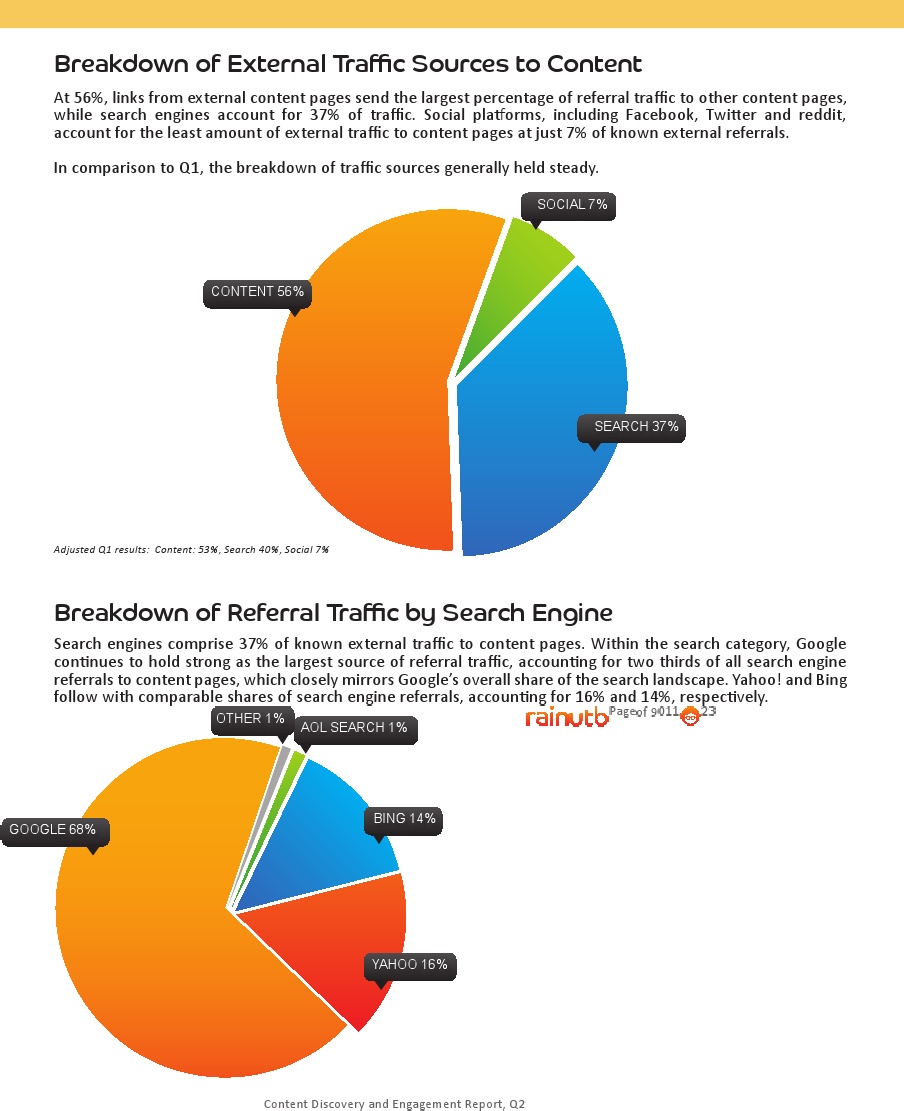
Over time, a variety of people have asked me where they should get the word out that they are writing on Science 2.0 and I am happy to tell them - but they are surprised by the answer.   Social media darlings like Twitter and Facebook will accomplish very little beyond being another place to follow comments.  Old technology is what matters in getting eyeballs to read your work, and that means a place like Stumbleupon.com, Reddit.com, Digg.com or Slashdot.org.
You may not know this, but Twitter is actually not that great.   The website itself is clunky. Add-ons are what made it successful.   Sometimes Twitter has acquired them, like with TweetDeck, and sometimes they have created their own once the market has shown them to be popular.

The photo sharing website TwitPic started in 2008 as a way to share photos easily on Twitter.  Life was good, Twitter became popular.  Then Twitter announced its own photo-sharing services in June, with the added caveat that creators would own the rights to their photos so they can't be redistributed without permission.   That makes Twitpic unessential, the same way Tweetdeck made TinyURL.com unessential.