Fake Banner
Environmentalists, What Are You Asking From Dedmoroz Lenin For Earth Day This Year?

Tomorrow is Earth Day. It is also Lenin's birthday. That's not coincidence. The leader of...
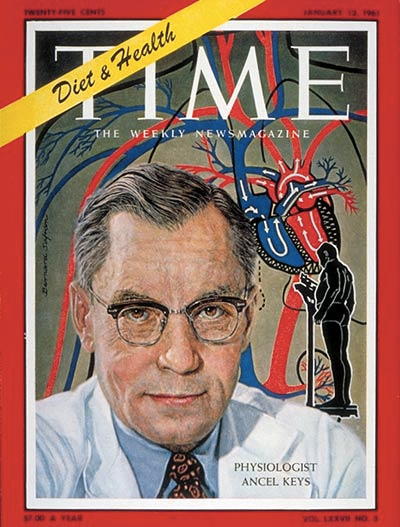
How Ancel Keys Went From MAHA Hero To MAHA Villain

If a lot of the food and health claims you read and hear today seem like things left over from...

Are Baseball Pitchers Faster Today?

On September 7, 1974, pitching for the California Angels, Nolan Ryan, known for his velocity, became...
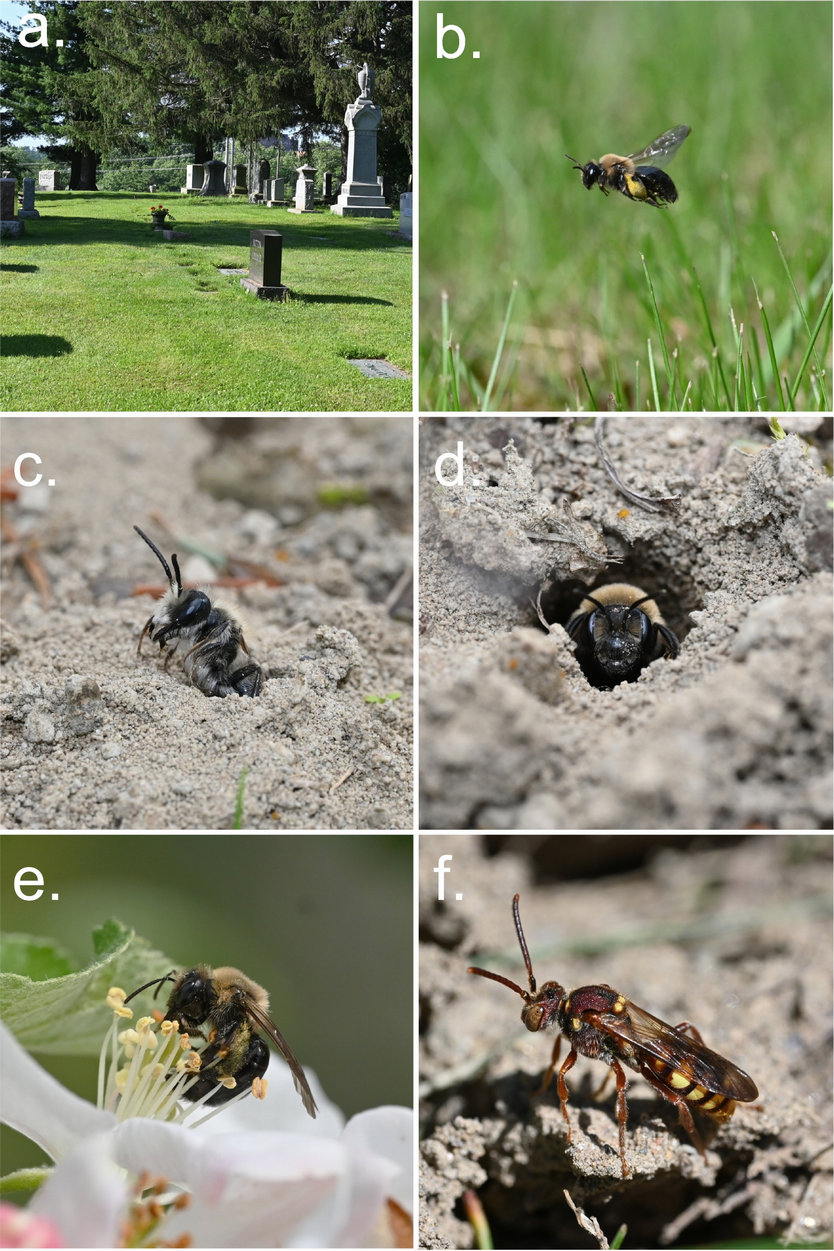
Ground-Nesting Bee Populations Don't Get Publicity But They're Everywhere

Honeybees get attention in environmental fundraising campaigns because people don't understand...

User picture.
picture for Tommaso Dorigopicture for Heidi Hendersonpicture for Fred Phillipspicture for picture for Hontas Farmerpicture for Atreyee Bhattacharya
Hank CampbellRSS Feed of this column.

I founded Science 2.0® in 2006 and since then it has become the world's largest independent science communications site, with over 300,000,000 direct readers and reach approaching one billion. Read More »

Blogroll
Rumor has it that Scienceblogs.com, the blogging network owned by SEED Media, has finally been sold.   I told people here in 2009 that it was in play and anyone would want to acquire Prof. P.Z. Myers on their network so certainly people would have talked to Adam Bly about it, but it doesn't take long to figure out you could instead hand Myers a suitcase full of money and some equity and save the millions Bly felt like the entire thing deserved.  
Not many plumbers become known worldwide for significant fossil discoveries but self-taught paleontologist and archaeologist Harley Garbani did just that, finding skulls of the youngest-known Tyrannosaurus rex and the youngest-known Triceratops in a distinguished citizen science career.

His finds are on display at the Natural History Museum of Los Angeles County, the University of California Museum of Paleontology and other places.   Garbani was citizen science before it needed a name - a time when scientists were not primarily academics.    Mostly he liked to hunt  for fossils in the Badlands and his knowledge was based on experience.
What happens when you subsidize technology and then have a deficit in government?  You tax the people you just paid.

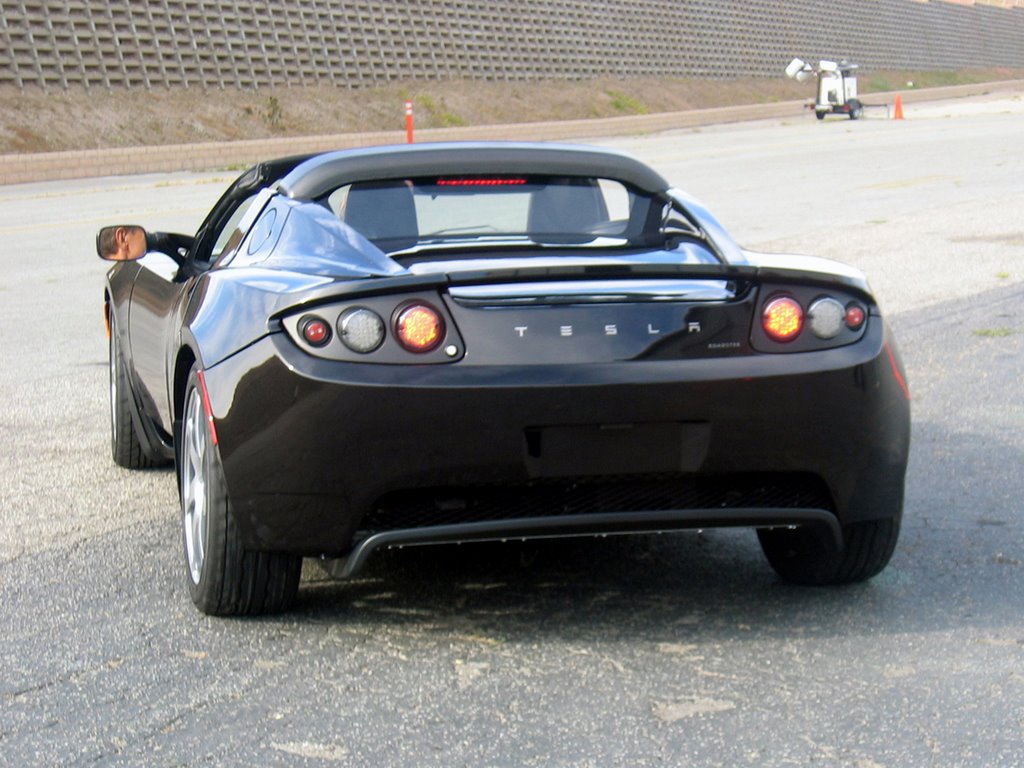
In Washington state, after years and millions of dollars in tax breaks to purchase electric (and hybrid) vehicles to make it at least close to economically feasible for mainstream drivers, the government has realized something horrible - those drivers aren't using enough gasoline, which means they aren't paying enough in gasoline taxes and, with a $5 billion deficit, that is bad.

Plus, if you're an electric vehicle owner, you can't really object when a politician - especially one you voted for - says you still aren't doing your fair share for the environment.   
You might think that those who are skeptical (or downright intransigent) on a CO2 basis for global warming are bigger wasters of energy or greater polluters than those who accept climate science.

Not so.   Skeptics are just as green.   Their reasons may simply be different.
Many might want to believe the United Nations, a world political mediation body created in the aftermath of World War 2, would be a friend of climate science since they are the governing body behind the Intergovernmental Panel on Climate Change (IPCC) - but they are instead advocates.
  
When advocates take center stage and make cringe-worthy statements over and over again, they actually hurt the science they are advocating.   The UN has said baffling things to such an extent they have hurt the reputation of climate science, resulting in backlash about climate change because no one knows what to believe any more.
   
If you're not one of the 172,000 Japanese people living within a dozen miles of the Fukushima Daiichi plant who have been advised (read: forced) to leave, you are breathing a sigh of relief while you hope things turn out okay.

But a new analysis carried out by Nature and the NASA Socioeconomic Data and Applications Center at Columbia University says two-thirds of the world’s 211 nuclear power plants have more people in the same radius than the ones who have had to flee their homes in Japan.  They're not all on known earthquake faults, obviously, but disaster concerns are an important public policy issue in times of disaster.