Fake Banner
Environmentalists, What Are You Asking From Dedmoroz Lenin For Earth Day This Year?

Tomorrow is Earth Day. It is also Lenin's birthday. That's not coincidence. The leader of...
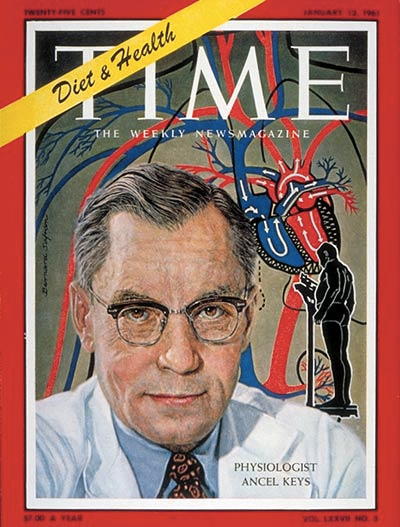
How Ancel Keys Went From MAHA Hero To MAHA Villain

If a lot of the food and health claims you read and hear today seem like things left over from...
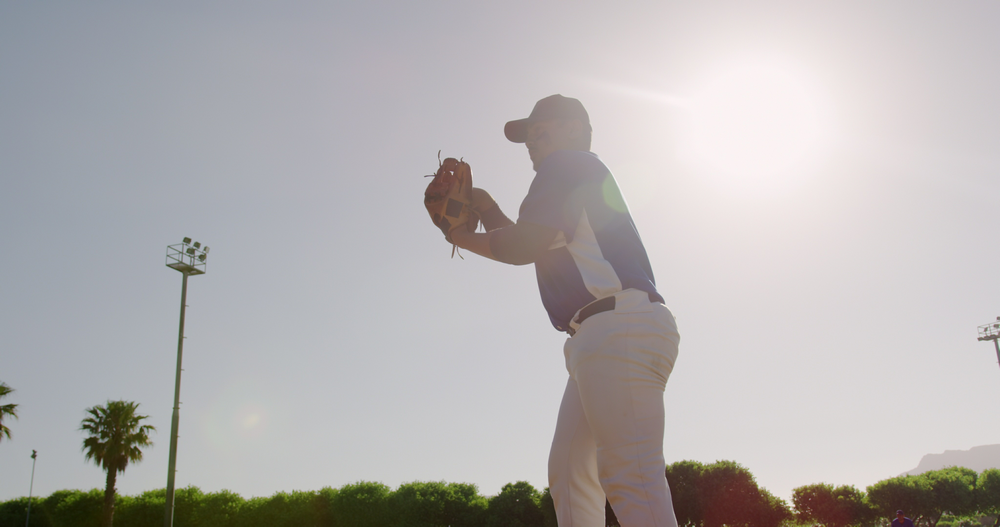
Are Baseball Pitchers Faster Today?

On September 7, 1974, pitching for the California Angels, Nolan Ryan, known for his velocity, became...
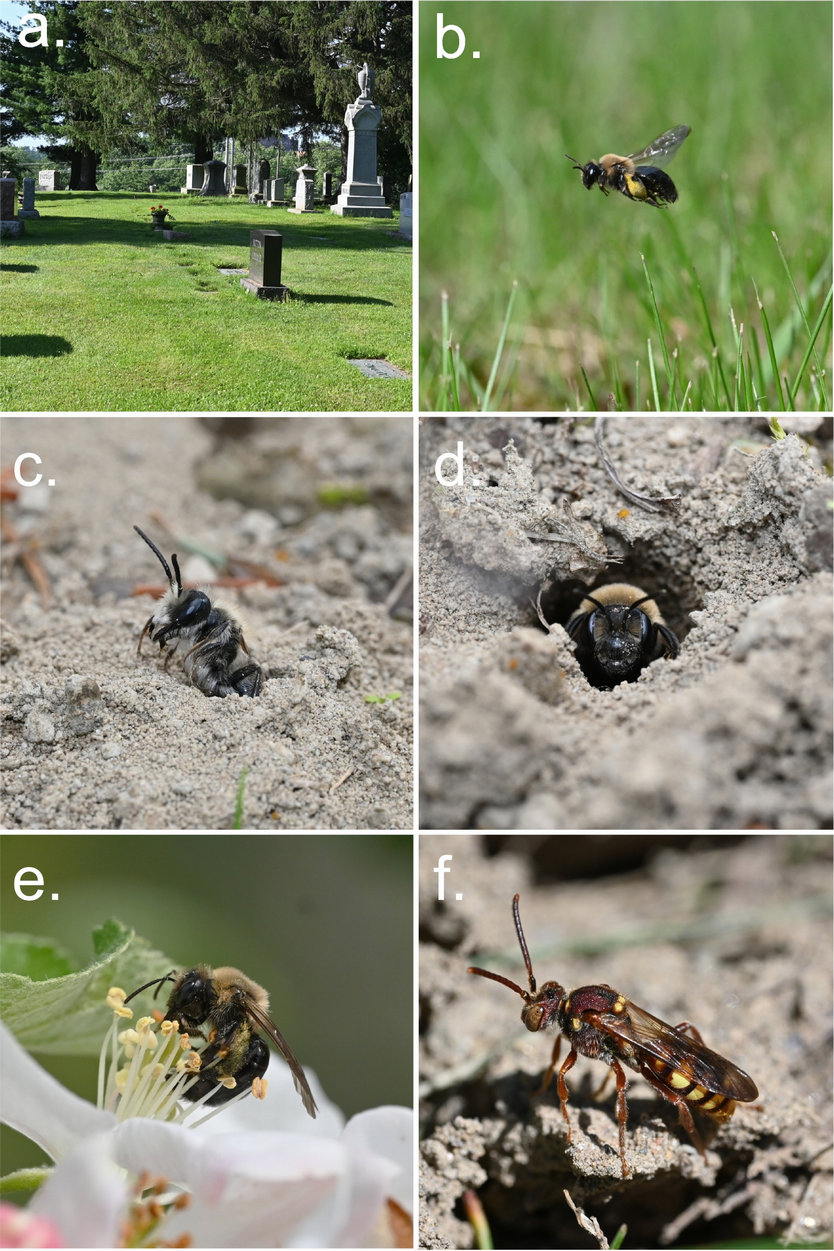
Ground-Nesting Bee Populations Don't Get Publicity But They're Everywhere

Honeybees get attention in environmental fundraising campaigns because people don't understand...

User picture.
picture for Tommaso Dorigopicture for Heidi Hendersonpicture for Fred Phillipspicture for picture for Hontas Farmerpicture for Atreyee Bhattacharya
Hank CampbellRSS Feed of this column.

I founded Science 2.0® in 2006 and since then it has become the world's largest independent science communications site, with over 300,000,000 direct readers and reach approaching one billion. Read More »

Blogroll
Prior to natural gas hydraulic fracturing making played out gas wells viable again, America was in a real climate emissions pickle. In 1994, Democrats finally won their war of extinction on nuclear energy, they cheered as President Bill Clinton and Senator John Kerry(1) created regulations that act as bans and eventually forced through a series of anti-nuclear activists at the head of the Nuclear Regulatory Commission.
Many women eat healthier during pregnancy, but that may mean whatever version of 'healthy' is trending in any given year. Sugar-free, low-fat, gluten-free, paleo, organic, it all has proponents, it all has suspect epidemiology papers claiming it should be a reason to buy some New York Times bestselling diet book built around it.
In 2016, The Frank R. Lautenberg Chemical Safety for the 21st Century Act amended the Toxic Substances Control Act (TSCA) and created a mandatory requirement for EPA to evaluate existing chemicals using transparent methodology and risk-based assessment. Not simplistic epidemiology.

This was actually a good thing. We want to make sure people are still safe as new data arrive and since they were using science and not statistical correlation, we could have confidence in the results.
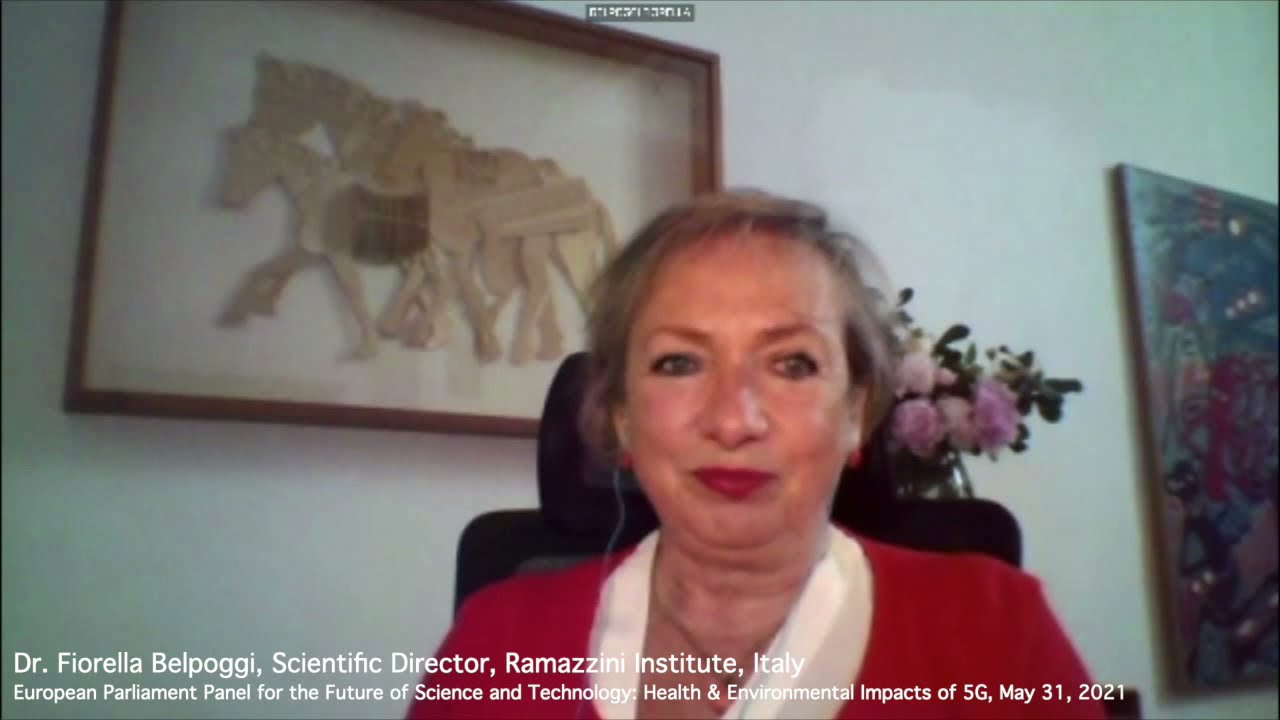
The International Agency for Research on Cancer (IARC), a United Nations epidemiology group headquartered in France, could be in ethical hot water again over the claim by a Ramazzini Institute leader that seems to know in advance that IARC will consider aspartame a carcinogen - a designation which leads to automatic warning labels or even bans in places like California, which under Proposition 65 turned over its science to IARC last century.
Alcohol is a legitimate class 1 carcinogen that is prized by most of the world. While claims of health benefits were always suspect epidemiology, so were claims that even a glass of wine during pregnancy would cause birth defects. The dose still makes the poison but as modern science journalism became more advocacy-driven, claims that any dose is probably a poison became common.
America doesn't have a science literacy problem, at least in a relative sense. Though only 29 percent of American adults can demonstrate good science literacy, that is still enough to be number one in the world.(1)