Fake Banner
Environmental Groups Back In Court To Help Fellow Rich White People

The Usual Suspects of the anti-science movement, Center for Biological Diversity(1), Environmental...
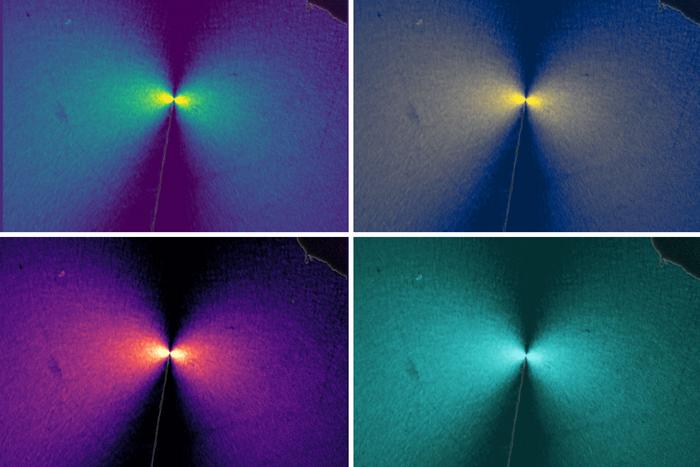
Batteries Are Stuck In The 1990s Because Solid-State Batteries Keep Short-Circuiting

The electric car industry is held back by reliance on conventional energy. Despite spending trillions...
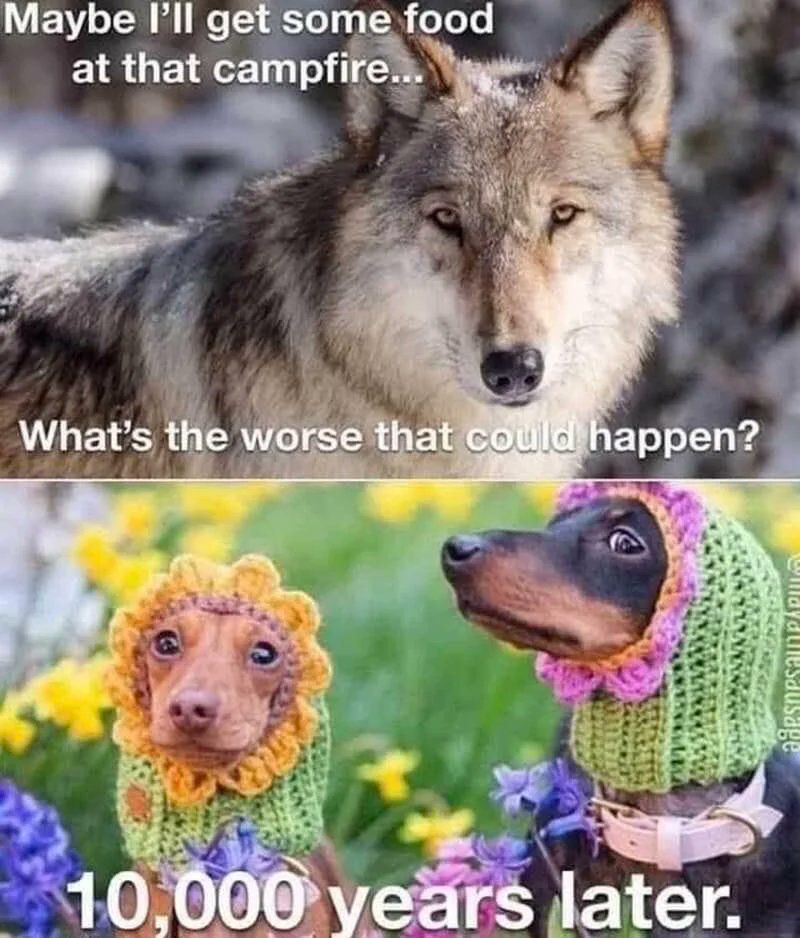
Dogs Have Been 'Man's Best Friend' For 14,000 Years

The bond between humans and dogs is one of the oldest stories in anthropology. It may also be a...

Is This The D'Artagnan Made Famous In 'The Three Musketeers' By Dumas?

“I have lost D’Artagnan, in whom I had every confidence,” wrote King Louis XIV to his Queen...

User picture.
picture for Fred Phillipspicture for Tommaso Dorigopicture for picture for Hontas Farmerpicture for Atreyee Bhattacharyapicture for Patrick Lockerby
Hank CampbellRSS Feed of this column.

I founded Science 2.0® in 2006 and since then it has become the world's largest independent science communications site, with over 300,000,000 direct readers and reach approaching one billion. Read More »

Blogroll
When it comes to the political divide in America, the key difference in science is that academia has mostly Democrats while private sector scientists are mostly Republicans. There are big tents in a two-party system so a liberal New York cop will have nothing in common with a San Francisco progressive but they will both vote Democrat and this big tent philosophy covers science as well. Republicans are considered deniers of climate change and evolution while Democrats deny vaccines and agriculture, and the rest of the tent has to endure them.
Environmental Working Group, a litigation group devoted to food and chemical issues, is most famous for publishing its annual "Dirty Dozen" list to promote publicly available pesticide residues on food. While neglecting to mention that their organic industry clients are not tested separately.
In the early days of the environmental war on agriculture, activists claimed they were not against the science itself, they were anti-corporate. They didn't want a company in charge of the food supply.

The argument resonated with a lot of people, including university scholars, so when the opportunity to solve the vitamin A deficiency issue in the developing world became available with genetic engineering, it was an independent group of scholars that developed a GMO rice with higher levels of beta-carotene. They made this Golden Rice available for free.
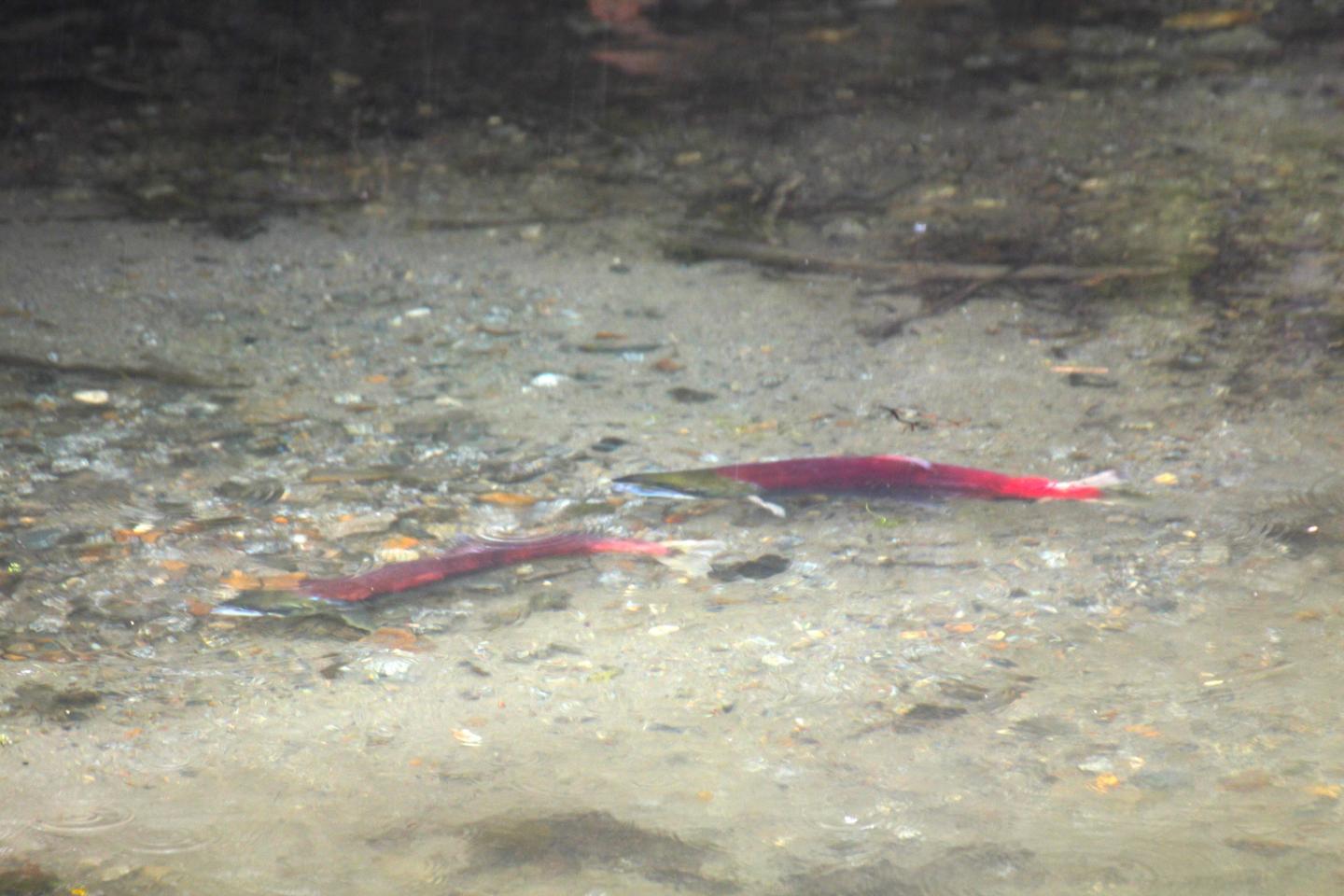
A new analysis used Alaska Department of Fish and Game data and fish estimates from 2007 to 2016 to quantify the number and value of Pacific salmon harvested from streams, rivers, and lakes in Alaska. They estimate that it's 48,000,000 fish per year, and that is without  the recreational fishing catch and local communities where it's a food staple. The value is $88,000,000 per year.

While $88 million is a fine industry it speaks poorly about those who protest farming and hunting while claiming to care about nature. Good luck going to a fancy restaurant without having a server note that the salmon you might order was wild.
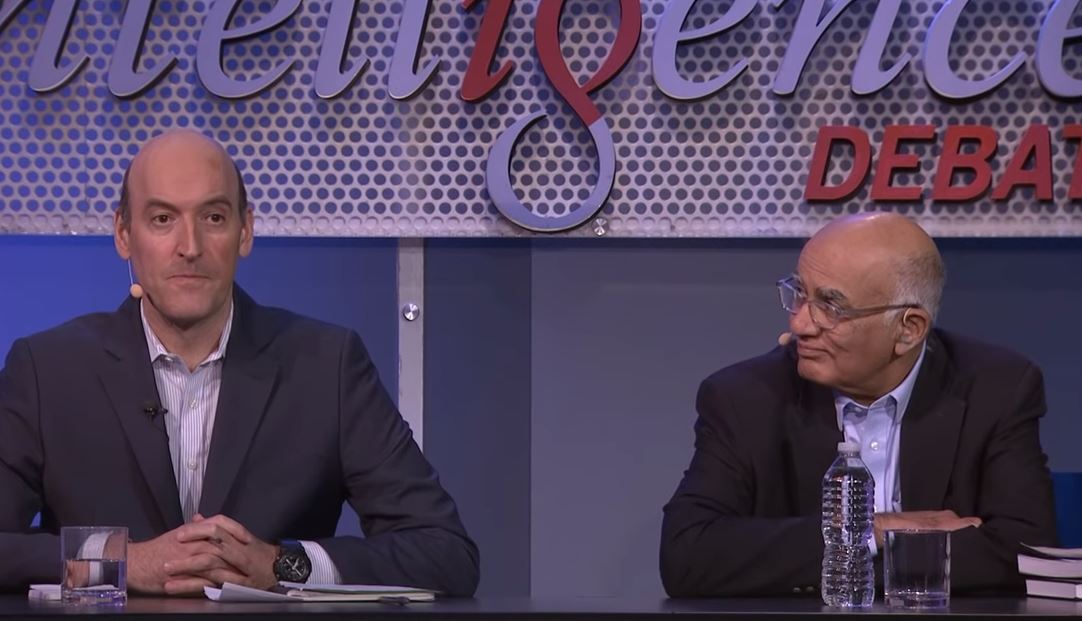
Intelligence Squared recently had a debate on nuclear energy kicked off by Bill Nye, the famous Science Guy, and moderated by John Donvan.

On the pro-nuclear side were Daniel Poneman, Deputy Secretary of Energy under President Obama, and Kirsty Gogan, co-founder of Energy for Humanity, while on the anti-science side was Gregory Jaczko, Obama's chairman of the US Nuclear Regulatory Commission(NRC), and Arjun Makhijani, President of the Institute for Energy and Environmental Research.(1)

What was missing? An actual nuclear physicist.

Would you have a debate on vaccine safety without a doctor? A debate on climate change without a climate scientist? When it comes to nuclear energy, everyone is such an expert actual expertise seems to be irrelevant. 
If you have never heard of the Journal of International Psychology, you are not alone.