Fake Banner
Environmental Groups Back In Court To Help Fellow Rich White People

The Usual Suspects of the anti-science movement, Center for Biological Diversity(1), Environmental...
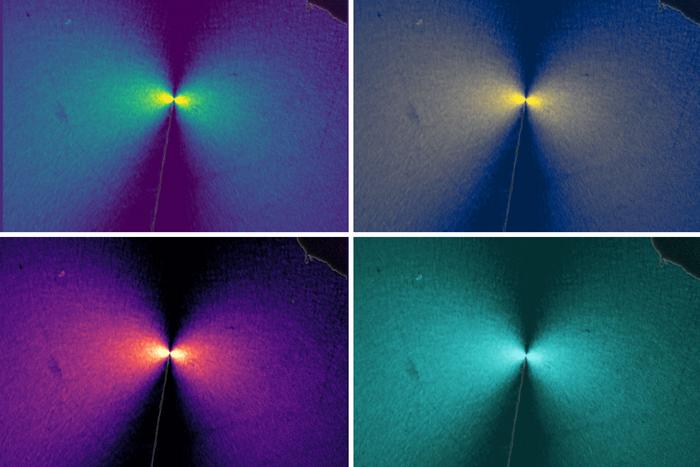
Batteries Are Stuck In The 1990s Because Solid-State Batteries Keep Short-Circuiting

The electric car industry is held back by reliance on conventional energy. Despite spending trillions...
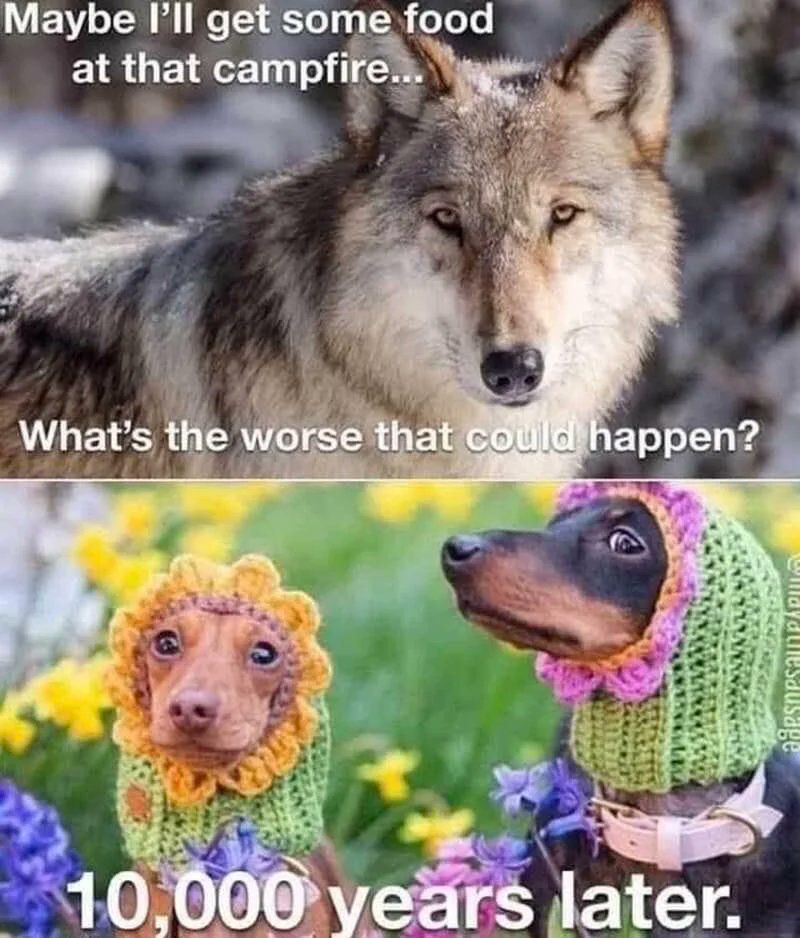
Dogs Have Been 'Man's Best Friend' For 14,000 Years

The bond between humans and dogs is one of the oldest stories in anthropology. It may also be a...

Is This The D'Artagnan Made Famous In 'The Three Musketeers' By Dumas?

“I have lost D’Artagnan, in whom I had every confidence,” wrote King Louis XIV to his Queen...

User picture.
picture for Fred Phillipspicture for Tommaso Dorigopicture for picture for Hontas Farmerpicture for Atreyee Bhattacharyapicture for Patrick Lockerby
Hank CampbellRSS Feed of this column.

I founded Science 2.0® in 2006 and since then it has become the world's largest independent science communications site, with over 300,000,000 direct readers and reach approaching one billion. Read More »

Blogroll
During the George W. Bush administration, American furniture makers had a crippling disadvantage. While American timber was tightly regulated, foreign supplies had no limitations on where their wood originated from, and could engage in destructive practices and undercut U.S. companies.

President Bush solved that by modernizing the Lacey Act, which was the conservation brainchild of Republicans a century earlier and had been modified a few times since. Under the new law, if a supplier could not show a legitimate trail of legal acquisition, it simply could not come into the U.S. 
In a recent experiment, participants were asked questions to gauge how religious they were and then about their willingness to purchase a fruit cup. Half were told the fruit cup was organic and half were told it was gluten-free.

People who were very religious had more favorable attitudes toward the gluten-free fruit cup and were more likely to say they would buy it than they would the organic kind.
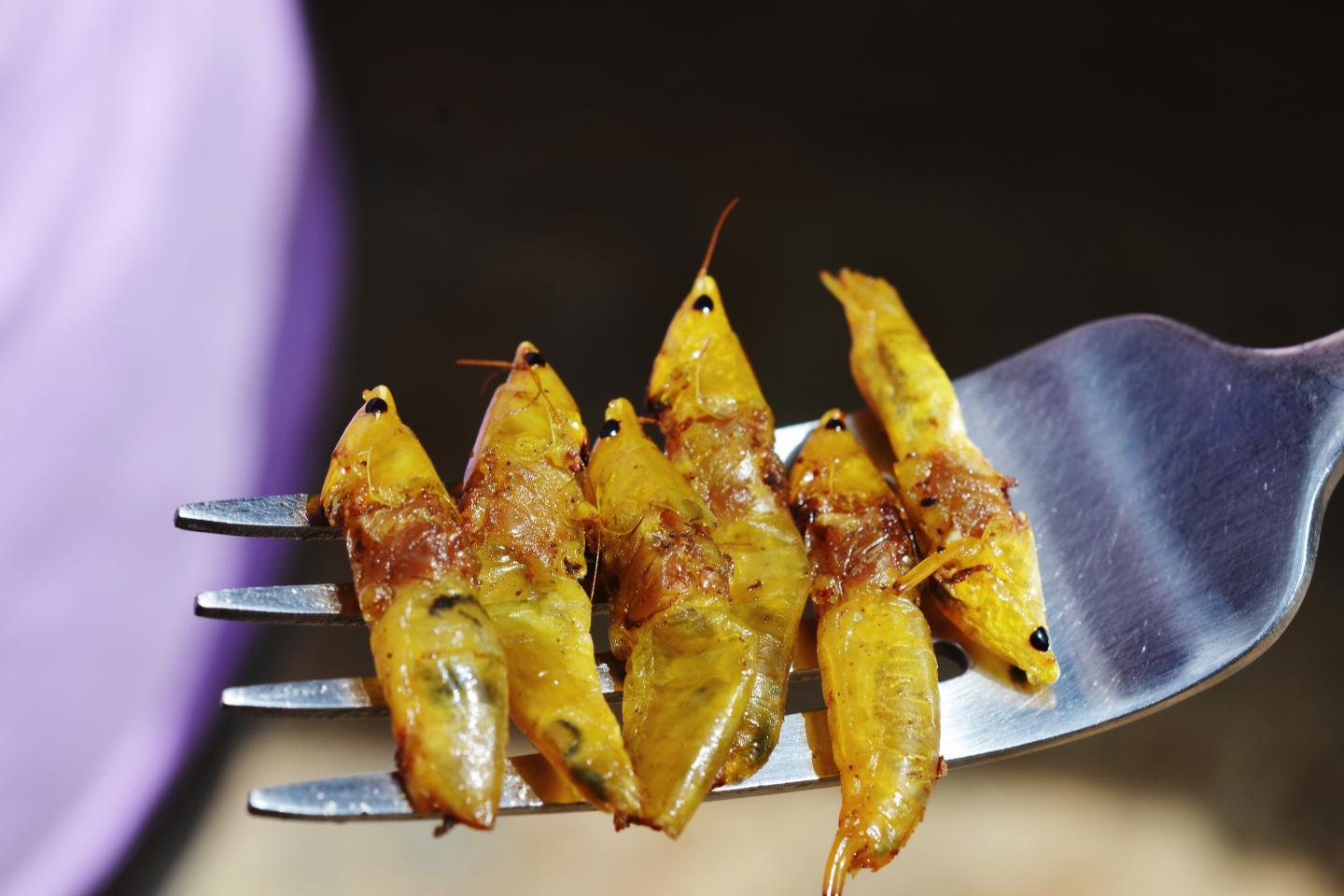
For the last 20 years, insects have been touted as the next big thing in food, because they have a lot of protein and would be reasonable to produce at scale. And people who don't understand agriculture think land only suitable for animal husbandry could magically support amber waves of grain if we stopped eating steers.

But are insects too icky? Perhaps to people who have never seen animals slaughtered but have killed an insect. However, people who claim to know a lot about animal welfare and food, vegetarians, are okay with insects. Zoologically, they are correct, insects are not animals the way they think of animals any more than sponges are, though all share the broad Animalia kingdom.
In a multi-center trial of almost 900 smokers(1), e-cigarettes were shown to be twice as effective as pharmaceutical "gold standard" approaches like gums, lozenges, and patches.
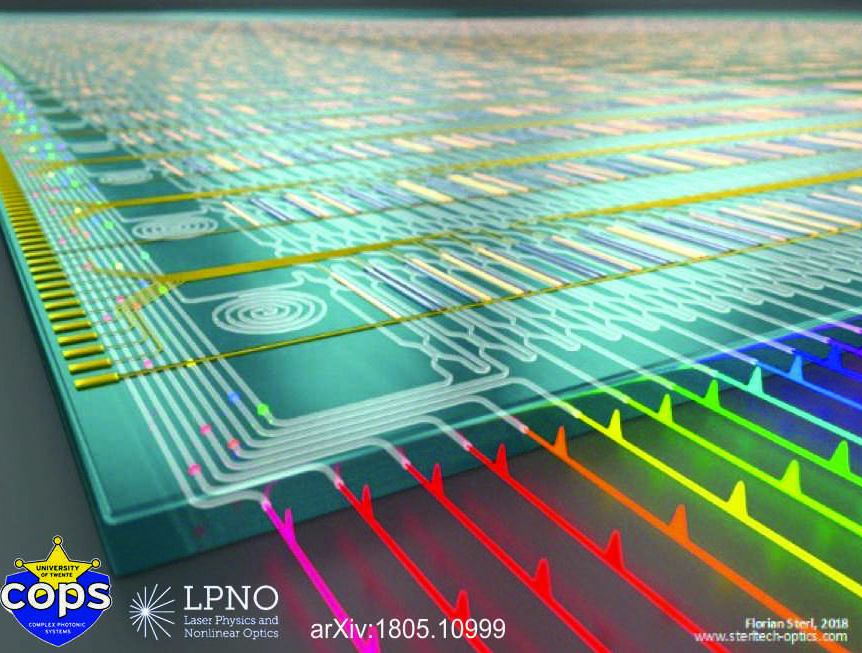
If you've read anything about computers for the last 25 years, you've read the hype about quantum computing and how it is going to be better and faster and with less heat and replace conduction-based chips and it will generally be awesome. And then nothing happens outside a lot of arXiv papers and some physics magic published in journals. Quantum computing has basically gotten the best marketing free pass ever, because it is always five years away and no one seems to get cynical.

Now it's only two years away. 
Nothing killed science culture more than Spock from the 1960s television show "Star Trek." He was wildly popular because he was so logical and reasoned. Emotions did not enter into his decisions. Scientists flocked to that mystique and so a whole generation of scholars sought to be dispassionate and data-driven in their interactions with the public.