Fake Banner
Why Raw Dairy Farms In California Accelerated The H5N1 Bird Flu Pandemic

Californis is the largest dairy producer in the United States. It is also the most anti-science...
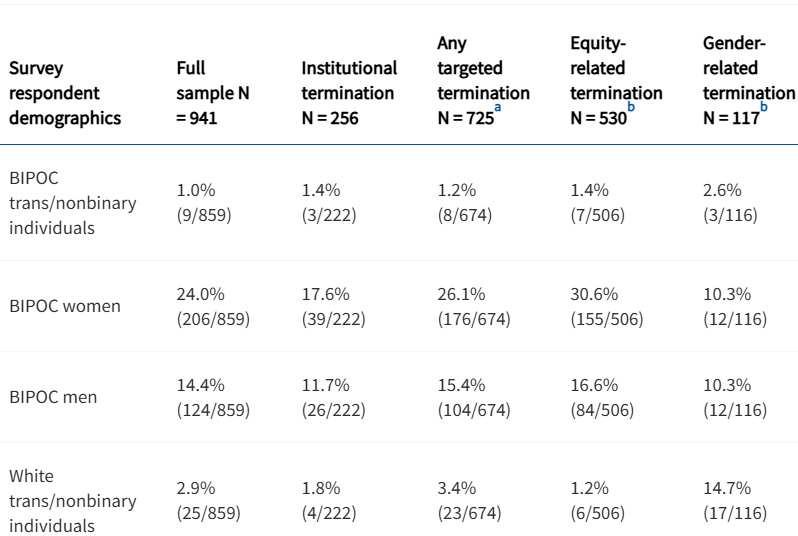
Affirmative Action In NIH Grants Revealed

The Supreme Court recently issued another ruling that seeks to end racial discrimination. most...

Environmentalists, What Are You Asking From Dedmoroz Lenin For Earth Day This Year?

Tomorrow is Earth Day. It is also Lenin's birthday. That's not coincidence. The leader of...
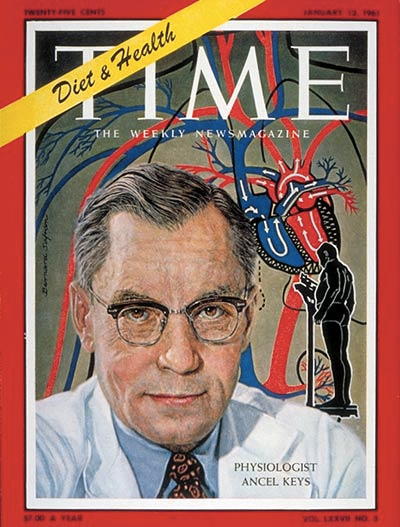
How Ancel Keys Went From MAHA Hero To MAHA Villain

If a lot of the food and health claims you read and hear today seem like things left over from...

User picture.
picture for Tommaso Dorigopicture for Heidi Hendersonpicture for Fred Phillipspicture for picture for Hontas Farmerpicture for Atreyee Bhattacharya
Hank CampbellRSS Feed of this column.

I founded Science 2.0® in 2006 and since then it has become the world's largest independent science communications site, with over 300,000,000 direct readers and reach approaching one billion. Read More »

Blogroll
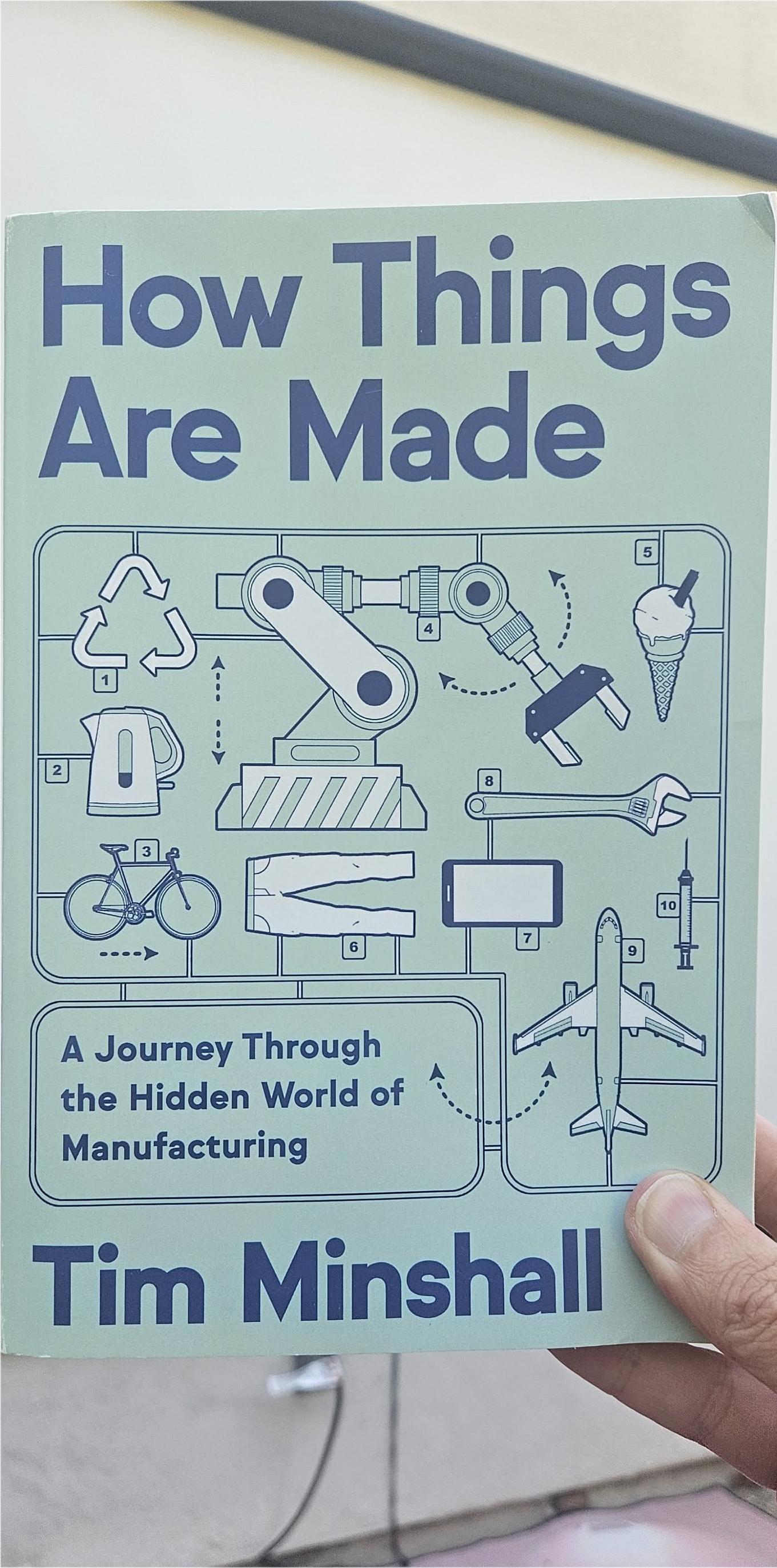
If the supply chain collapsed tomorrow, could you build a toaster? 

Would you really even want to try? People make homemade jam and all-natural weedkillers that are ironically stuffed with chemicals but no one makes their own toaster. It would be among the first things dismissed as unimportant in a post-apocalyptic world.
Cigarettes are a known carcinogen because you are inhaling smoke. Any time you inhale smoke, PM10 from fires or marijuana or anything else, you are rolling the dice of your future.

Decades of health awareness campaigns by us and groups like us have made a difference among the young, just like smoking cessation and harm reduction tools such as nicotine vaping, gums, and patches have helped older people mitigate harm. Recent data show our "5 by 35" campaign begun in 2008 - down to 5% of Americans smoking cigarettes by 2035 - seems to be on track. 
Greenpeace is in a longstanding campaign to oppose a public domain Golden Rice created by scientists so that it can be grown to create more Vitamin A and prevent blindness in children of poor countries.

It is part of their long history of promoting claims farming is a Vast Right Wing Conspiracy. The reality is that farmers simply want ways to safely and affordably improve yields. Science is the best way to create that and corporations are the best way to make it scale. No conspiracy needed.
The drinking water treatment process is designed to remove harmful pathogens that are prevalent in nature, but a new study suggests that it may be harmful also.

Scientists know that inert ingredients are not harmful you but the authors of the new paper invoke the environmental "chemical cocktail" MacGuffin. Since every harmless product has not been tested in every possible combination with other inactive ingredients, they suggest agricultural, pharmaceutical and other common products could be hazardous to our health in ways that scientists don't know about.
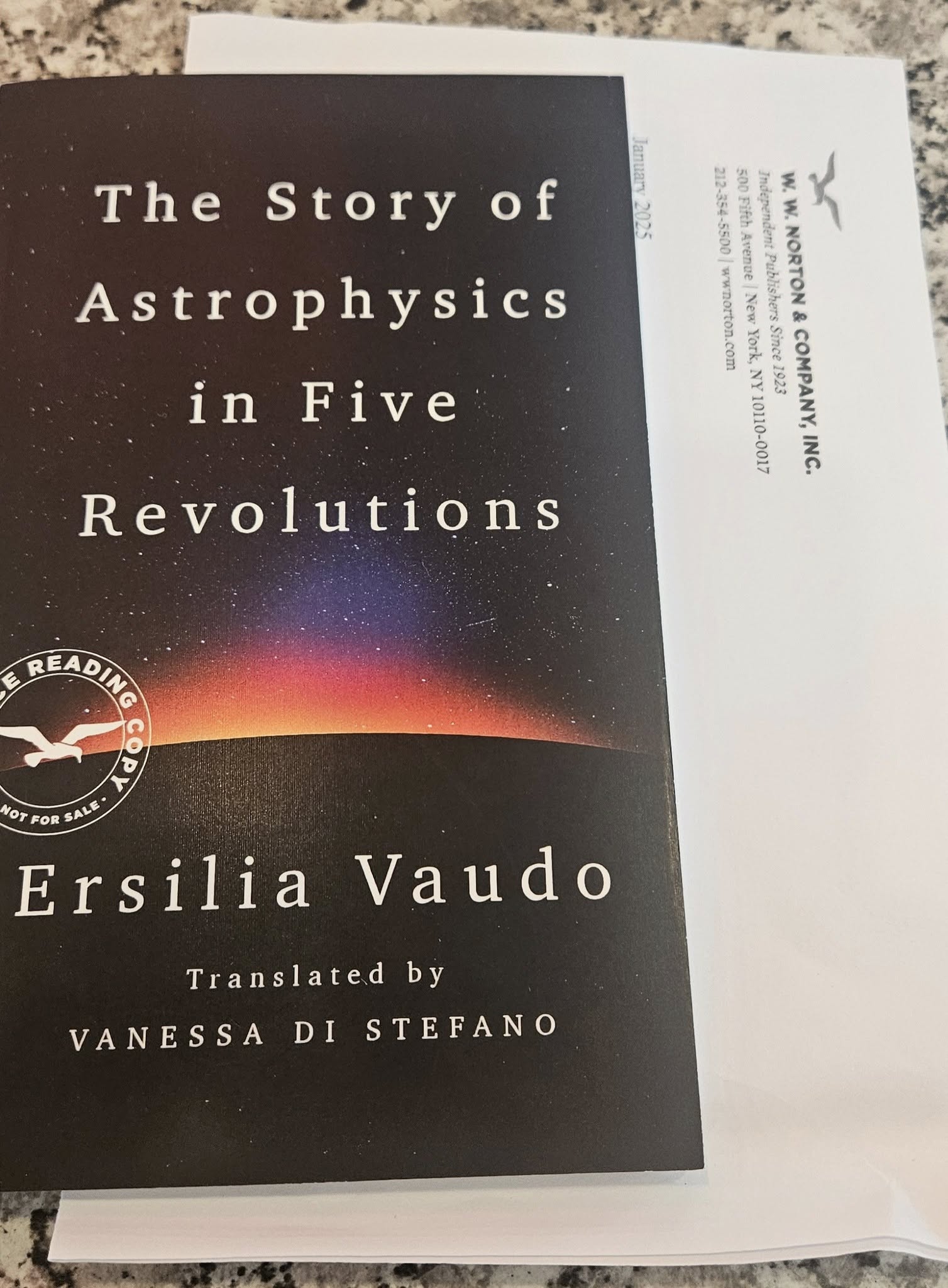
On this day, April 25, in 1929, the world learned how astronomer Edwin Hubble had discovered that the universe was much larger than we had believed. On this day in 2025, you can preorder a book and on the 29th learn about this and four other Astrophysics discoveries that changed how we see the universe - and ourselves - in The Story of Astrophysics in Five Revolutions.


By Ersilia Vaudo, translated by Vanessa Di Stefano. If you use this link we get a penny or something.
I get pitches for stories every day and sometimes I want to see if the world that opposes science has made any progress now that a member of a Republican administration who was formerly one of their own, former Natural Resources Defense Council lawyer Robert F. Kennedy, Jr., is being helped by their rhetoric.

So when I got a message from a PR rep for the Real Organic Project™ about their client, I wanted to know if they still oppose hydroponic food. Hydroponic food uses no soil, which means in a controlled environment it needs no pesticides. The public loves that idea. The last time a survey was done, only 7% of the public wanted to know about GMOs in their food unsolicited while over 70% wanted to know what pesticides are used in food production.(1)