Fake Banner
Young People Have Become Jaded To Emotional Appeals On Screens - And That Is Good

Running a pro-science nonprofit is a poor business model. Especially compared to lawyer groups...
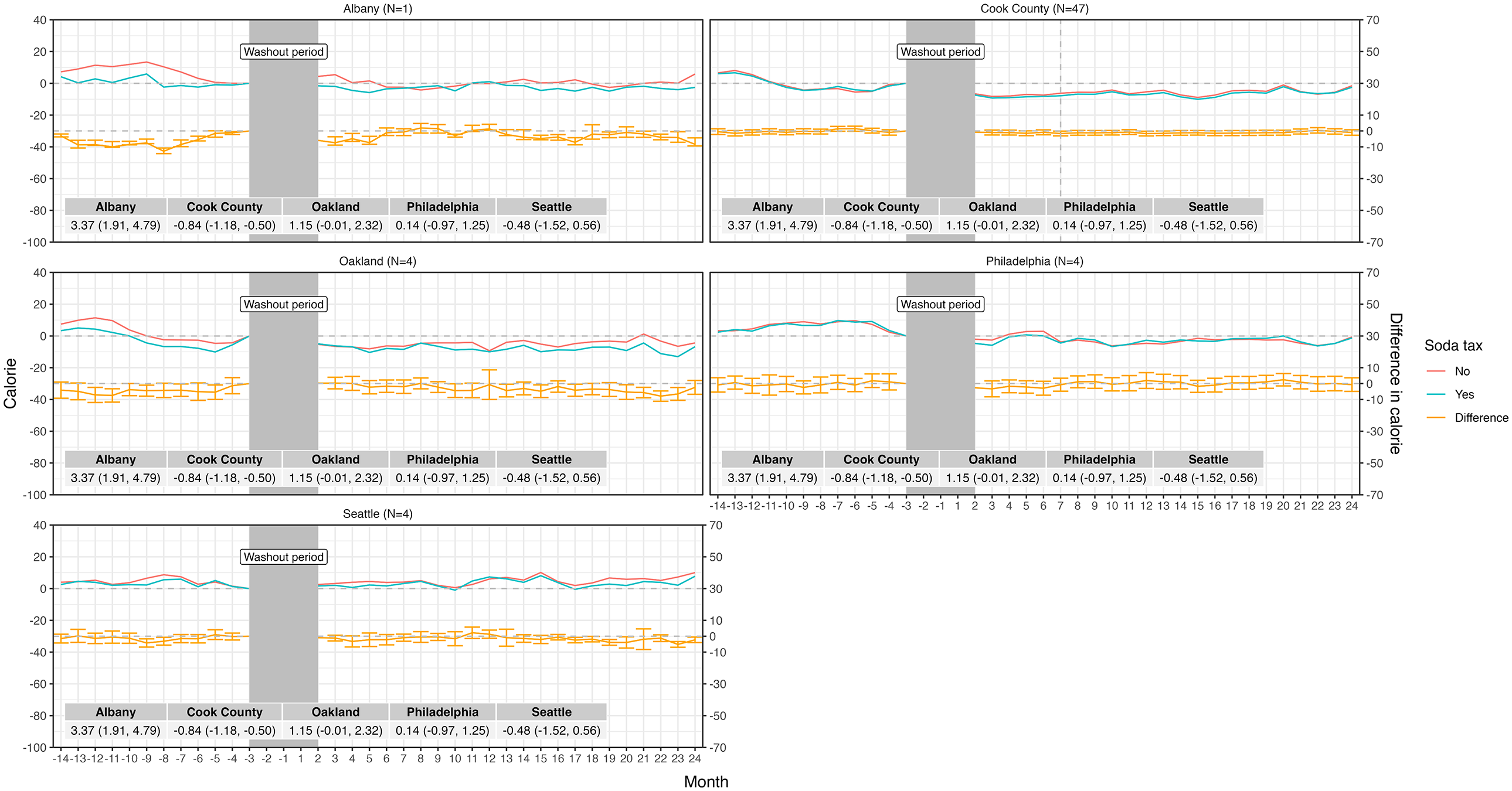
The Feel Good Fallacy Of Sugary Drink Taxes On Reducing Obesity

Social authoritarians like to make people more reliant on government and then control what people...

Environmental Groups Back In Court To Help Fellow Rich White People

The Usual Suspects of the anti-science movement, Center for Biological Diversity(1), Environmental...

Batteries Are Stuck In The 1990s Because Solid-State Batteries Keep Short-Circuiting

The electric car industry is held back by reliance on conventional energy. Despite spending trillions...

User picture.
picture for Fred Phillipspicture for Tommaso Dorigopicture for picture for Hontas Farmerpicture for Atreyee Bhattacharyapicture for Patrick Lockerby
Hank CampbellRSS Feed of this column.

I founded Science 2.0® in 2006 and since then it has become the world's largest independent science communications site, with over 300,000,000 direct readers and reach approaching one billion. Read More »

Blogroll
Like old media such as newspapers and televisions, content on social media is tailored toward audience engagement. Television and newspapers have long known that 'dead bodies sell' but in social media it can be sold in real-time. It has sped up information - and cynicism. Fifteen years ago Reuters was caught augmenting photos of an Israeli attack on terrorists so it looked like more smoke and destruction than actually occurred and few in media were bothered, more recently outlets pulled a photo of British Princess Kate of Wales because it had been retouched. Only after the audience flagged it, though.
As the century turned, the science community began to become critical of a once-honored field; epidemiology.  If you are not familiar with it, it is people who correlate causes to outcomes. They don't show it, they usually are not scientists, but they look for links and then if those look interesting scientists will follow up on it.

This was an occupation once so conservative and evidence-driven that they were the last to accept that heart disease and cancer might have a hereditary factor. When epidemiologists showed that smoking causes lung cancer the data were so overwhelming and comprehensive that Big Tobacco began to stockpile money for the inevitable lawsuits because they had denied it.
One of the few things that can get a government union employee in a mandatory industry like education fired is hitting a student. Yet the link between increased tolerance and less accountability for students has correlated to increased violence by teachers. If there are no repercussions for behavior, behavior gets worse.

Everyone seems to know this except academic psychologists, who instead argue that grades are the problem. Don't want to be assaulted? Don't have accountability for any student who will suffer no lasting repercussions if they assault you while if you defend yourself you will be fired, go to jail, be sued, and vilified by the internet for eternity.
Former Vice-President Al Gore has a giant mansion but buys carbon offsets to mitigate the damage. Do they work?

It depends, and that means it is unlikely. Lots of corporations dove into the carbon offset market, Mr. Gore made hundreds of millions of dollars investing in them, but there is no standard beyond 'we will plant this many trees.' The story is certainly compelling. There is no guilt about a mansion or private plane if you pay someone to plant trees that absorb carbon dioxide emissions equal to what you burned and create wildlife habitats and nice views for humans in the process.
On February 15th, the litigation outfit known as Environmental Working Group, most famous for using public USDA data (although excluding pesticides from the organic food companies which fund them) to compile a 'Dirty Dozen list' of foods which contain pesticide residues (100 percent of them) but that is nonetheless reliably rewritten by allied journalists in progressive newspapers, paid to publish a
If Google image search results overwhelmingly returned results showing men, that would be evidence that ending gender bias still has a long way to go. In the bias community, results showing women are the same thing.

And the authors of a new paper say female and male gender associations are more extreme among Google Images than within text from Google News; text is slightly more focused on men than women, this bias is over four times stronger in images.