The federal government now mandates and subsidizes electric cars. Like with similar solar panels, ethanol, and compact fluorescent light bulb schemes, science shows it isn't helping anything except the companies getting taxpayer money.
With government providing corporate welfare, companies can cut lower-profit lines, including of electric cars, and focus on the fattest margins. Government funding is so lucrative that Buick dealerships are...plummeting?
Yes they are, they have declined 47 percent this year. The reason is because General Motors is buying out anyone who does not want to 'play ball' and invest heavily, about $400,000 of their own money, in electric car service and support.
December 23rd is 'Festivus', a not-real holiday invented by the father of George Costanza on the hit television show "Seinfeld", involving an aluminum pole, feats of strength, and, most fun, an airing of grievances.(1)
It's the
airing of grievances I want to address.

The dose makes the poison, except in academic epidemiology, where H-Index and citations necessitate writing papers claiming any dose is toxic.
This is why EXPLORATORY claims aren't actually science itself. When your only method is to ask people what products they use, if they feel sad, angry, or have a disease, and then correlating the product you wanted to target to the malady, it is easy to understand why during COVID-19 disease epidemiologists had a difficult time getting traction - they had never stood up to the cranks at Harvard School of Public Health and National Institute of Environmental Health Sciences using food surveys to try and scare people about everything.
Data tools like ChatGPT, colloquially called Artificial Intelligence (if you think a fancy autocomplete is actual AI), have the promise to do a lot of good. There are some concerns about human content 'creators' being replaced but we don't miss the 150,000 fewer bank tellers we had before the rise of ATMs and a lot of writing done by humans is pretty generic.
It's that time of year when activists, academics, and social media mavens hoping for media coverage begin to promote worry about Thanksgiving.
Some risks are real, even if relatively slight; a lot more people driving mean more accidents and if you have a family member who is an International Agency for Research on Cancer epidemiologist, they will ignore the greater amount of driving and just tell you that Thanksgiving is deadly.(1) Food safety matters. Turkey should be 165 degrees Fahrenheit and ham 145, but anyone telling you that in a press release might as well be taking the bold stand of endorsing clean water.
Microplastics are a kernel of biological concern that gets magnified by hype, like endocrine "disrupting" chemicals or weedkillers detectable in breast milk. In modern times, we can detect anything in anything, so the 'zero' levels of the 1960s no longer exist, because testing is 1,000,000 times more sensitive than it was in the past.


 Young People Have Become Jaded To Emotional Appeals On Screens - And That Is Good
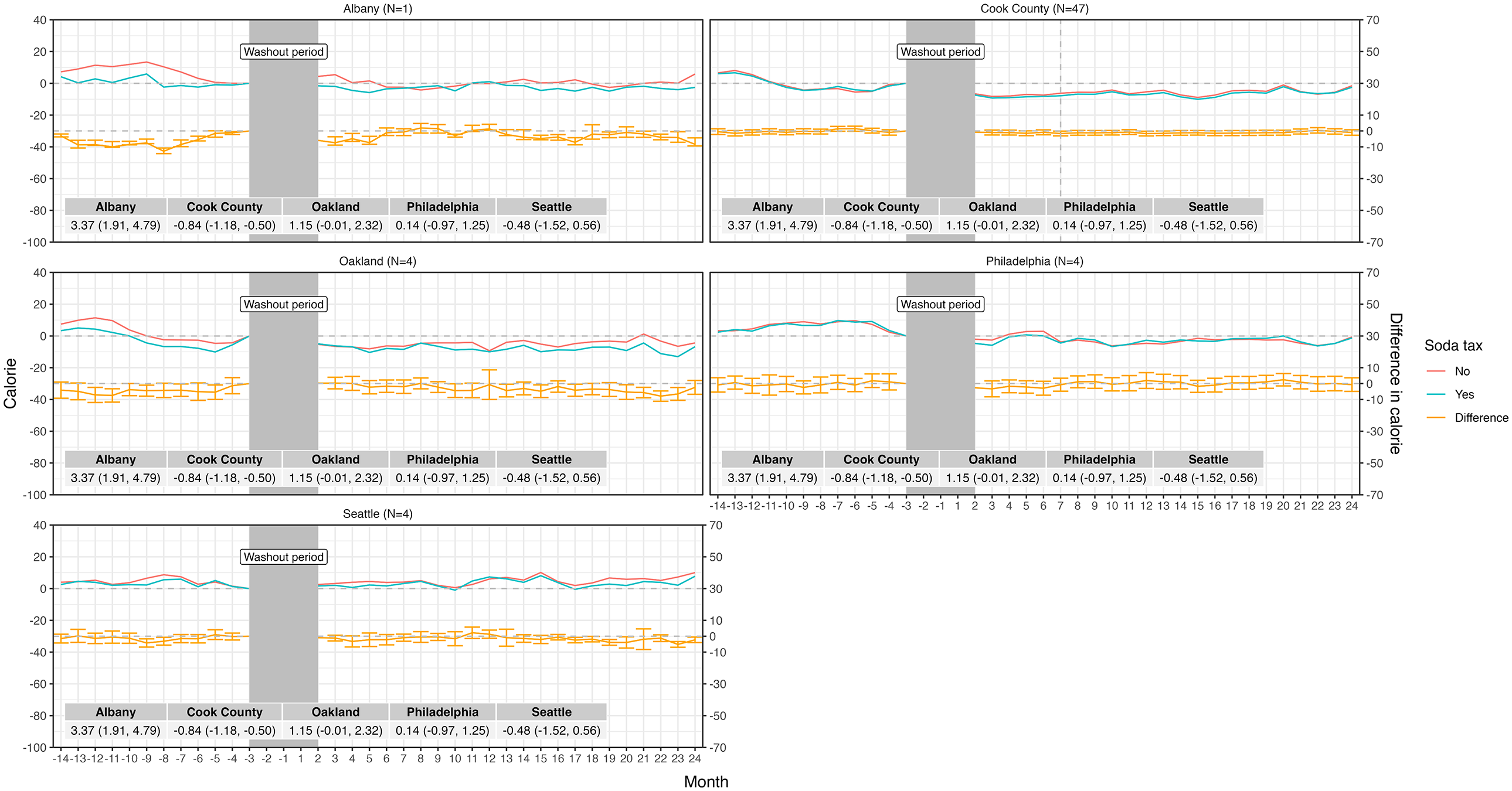 The Feel Good Fallacy Of Sugary Drink Taxes On Reducing Obesity
 Environmental Groups Back In Court To Help Fellow Rich White People
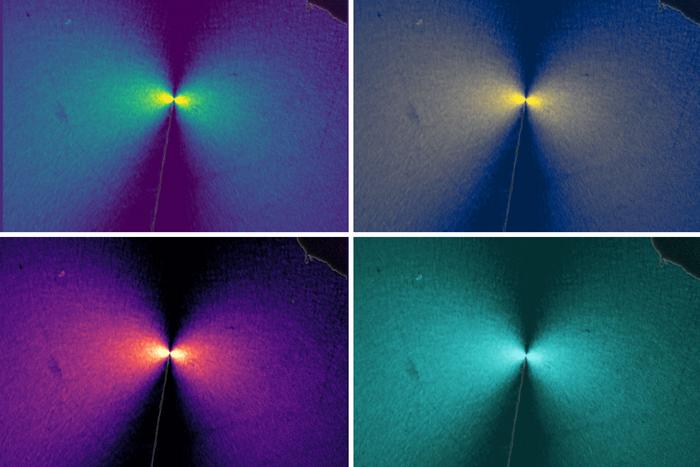 Batteries Are Stuck In The 1990s Because Solid-State Batteries Keep Short-Circuiting