In the past, you may have seen various 'we detected X in urine' papers endorsed by suspect names like homeopathy believer Phil Landrigan and endorsed by organic industry apologist Chuck Benbrook.
What do such claims even mean? In science, nothing. We can detect anything in anything now, but groups like Heartland Health Research Alliance Ltd are prized by litigators who sue "at the drop of a rat" and need any detection in humans - bonus points if they can claim pregnant women - of any chemical that can kill a mouse at 10,000 times a real-world dose. Any reason to send a teary press release sent to the New York Times.(1)
The International Agency for Research on Cancer(IARC) was once so heralded in a field so rigorous and methodologically conservative that epidemiologists were last to accept a hereditary aspect of cancer. That's right, they didn't see enough evidence to think family history of cancer mattered, and only agreed when overwhelming data were found. They were so thorough that when they declared smoking caused cancer, Big Tobacco was doomed.
If you go to social media, you can see a lot of suspect claims about fad diets, unapproved medical devices, therapies, and conspiracy theories. Many of them have names with "Dr." attached.
How is the public to know a "Dr." may be a PhD or an EdD or an osteropath or someone else who didn't go to medical school and become an M.D.? How should physicians respond? From the years 1998 to 2021, coastal states in the US led America in vaccine denial, were doctors supposed to tell their patients they were stupid for believing vaccines cause autism?(1)
With rampant inflation, an economy whose only baffling bragging right is that it gained back 80 percent of the jobs lost since the Biden administration began, and mortgage rates increasing the most since Jimmy Carter was president, calls are on to subsidize more housing for the poor.
The world is in a tough spot with antibiotics. Because they came into use in 1928, to the public they seem like they should all be generic and cost a dollar. Yet due to expensive new regulations passed this century pharmaceutical companies don't have much interest in new ones.(1)
Chronic lyme disease does not exist, but if you say it does long enough, a scholar will begin to study it, and then others will cite 'emerging evidence', and journalists will 'teach the controversy', and soon enough doctors who don't want to get sued will sign off, no differently than California pediatricians gave wealthy parents vaccine exemptions to prevent autism during the first two decades of this century.


 Young People Have Become Jaded To Emotional Appeals On Screens - And That Is Good
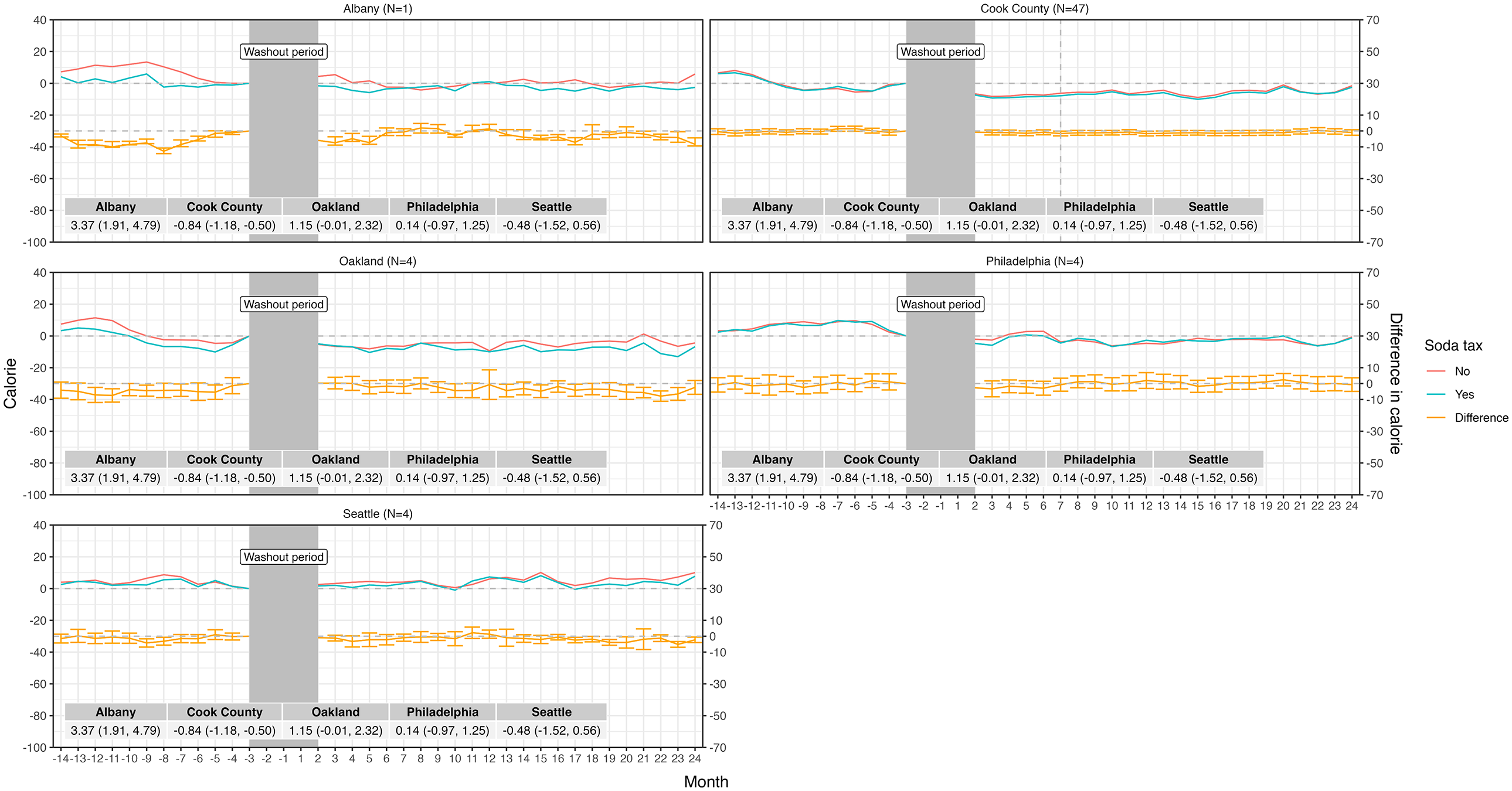 The Feel Good Fallacy Of Sugary Drink Taxes On Reducing Obesity
 Environmental Groups Back In Court To Help Fellow Rich White People
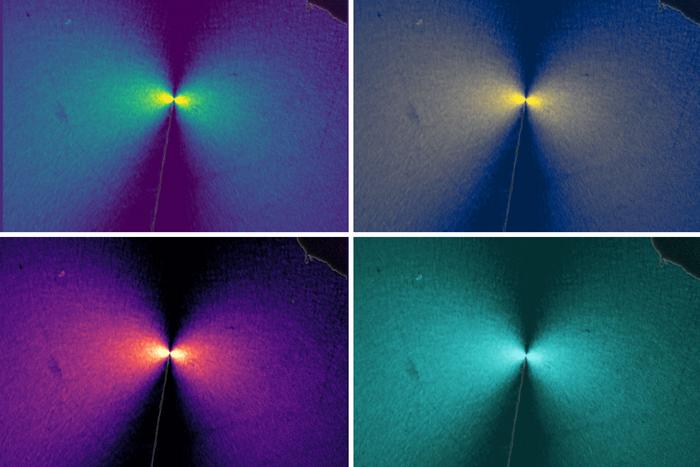 Batteries Are Stuck In The 1990s Because Solid-State Batteries Keep Short-Circuiting