Fake Banner
Environmental Groups Back In Court To Help Fellow Rich White People

The Usual Suspects of the anti-science movement, Center for Biological Diversity(1), Environmental...
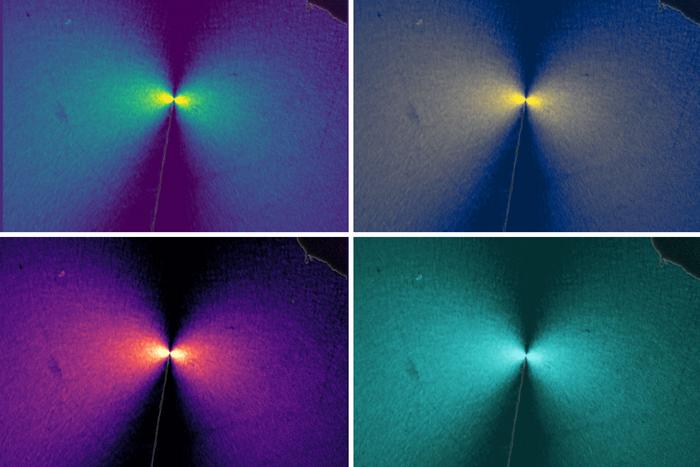
Batteries Are Stuck In The 1990s Because Solid-State Batteries Keep Short-Circuiting

The electric car industry is held back by reliance on conventional energy. Despite spending trillions...
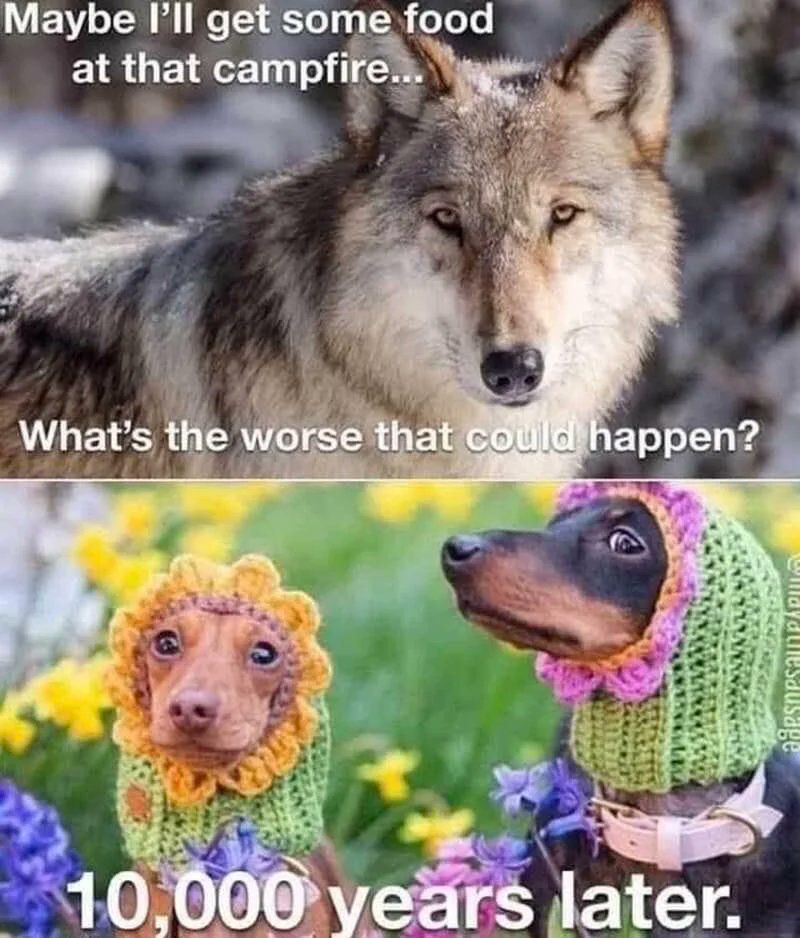
Dogs Have Been 'Man's Best Friend' For 14,000 Years

The bond between humans and dogs is one of the oldest stories in anthropology. It may also be a...

Is This The D'Artagnan Made Famous In 'The Three Musketeers' By Dumas?

“I have lost D’Artagnan, in whom I had every confidence,” wrote King Louis XIV to his Queen...

User picture.
picture for Fred Phillipspicture for Tommaso Dorigopicture for picture for Hontas Farmerpicture for Atreyee Bhattacharyapicture for Patrick Lockerby
Hank CampbellRSS Feed of this column.

I founded Science 2.0® in 2006 and since then it has become the world's largest independent science communications site, with over 300,000,000 direct readers and reach approaching one billion. Read More »

Blogroll
Americans are inherently skeptical, and American adults lead the world in science literacy, so those two things combine to show up in debates about climate change and other sciences.  

When you are literate and skeptical it is easy to know just enough to be wrong, when it comes to climate or nuclear energy, vaccines, and agriculture. The difference between the first one and the latter three is the political demographic that is skeptical about them. Politics infects everything.

That is why the each side paints issues they embrace in black and white; you can't be skeptical, you either accept what they accept or you are a denier.
A study by the Silent Spring Institute(1), with funding from the politically sympathetic National Institute of Environmental Health Sciences during the days of organic industry keynote speaker and Ramazzini Institute member Linda Birnbaum, claims that hundreds of chemicals are endocrine disruptors.
San Francisco is worried that highway 37 may be in danger of flooding. They invoke environmental justice, of course, but it's really about rich people going to their second homes in Napa's wine country on weekends. Rich people need peasants toiling to feel elite and without roads they can't get there.

Yet if San Francisco journalists and editors are concerned about rising water, why are they continuing to support dumping the water that poor people need into the Bay? It clearly does not need more water. Poor people who can't afford to live in Napa do.
Correlation can accomplish anything, it's how the U.S. National Institute of Environmental Health Sciences consistently finds a way to endorse chemicals in the organic food process while scaring people about chemicals everywhere else.(1)  It's how the price of steel can be linked to violence in the Mid-East.

A recent paper argues that reading scores are going down and phones are to blame, and they use correlation to try and show it.
Starting in 1975, in defiance of Population Bomb claims of mass famine about to happen, agricultural science hit an inflection point and more people began to be fed on less land, using less water and energy, with less environmental strain than ever before.
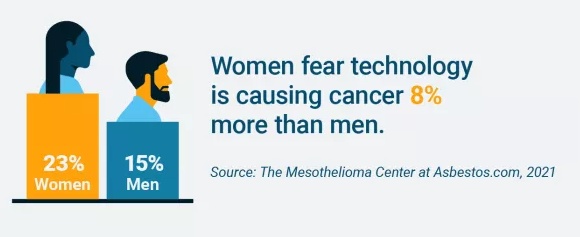
Are you worried about getting cancer from a light bulb? Probably not, but if someone conspiratorially intones that 5G wireless towers are emitting radiation and you are a woman or a milllennial, you are a lot more likely to worry than men or Generation Z to be concerned, according to a new survey. Even though the radiation is the same.