Fake Banner
Blood Pressure Medication Adherence May Not Be Cost, It May Be Annoyance At Defensive Medicine

High blood pressure is an important risk factor for developing cardiovascular disease and premature...

On January 5th, Don't Get Divorced Because Of Hallmark Movies

The Monday after New Year's is colloquially called Divorce Day, but it's more than marriages ending...

Does Stress Make Holidate Sex More Likely?

Desire to have a short-term companion for the holidays - a "holidate" - is common enough that it...

To Boomers, An AI Relationship Is Not Cheating

A recent survey by found that over 28 percent of adults claim they have an intimate, even romantic...

User picture.
picture for Fred Phillipspicture for Hontas Farmerpicture for Tommaso Dorigopicture for picture for Patrick Lockerbypicture for Ilias Tyrovolas
Hank CampbellRSS Feed of this column.

I founded Science 2.0® in 2006 and since then it has become the world's largest independent science communications site, with over 300,000,000 direct readers and reach approaching one billion. Read More »

Blogroll
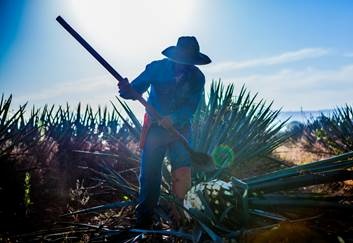
Environmentalists may hate science but they love to ignore inconvenient truths about alcohol - namely that it is a toxic carcinogen the way they wish BPA, atrazine, fracking, vaccines (insert whatever they are raising money on this week) could be.

Zooey Deschanel, whose picture could be in the dictionary under "adorkable" thanks to starring roles in "Elf" and "New Girl", isn't well regarded in science, and hasn't been since for as long as she's been undermining it, which is as long as people have known her name. That's now a long time, since "Almost Famous" is about to turn 20.
In the movie "Erin Brockovich", actress Julia Roberts portrayed a clerk who got energy company PG&E worried enough about a jury being scared of science they wrote her boss a giant check. Because Hollywood is in California, the state government was motivated to declare the compound harmful and put in tighter restrictions.

The concern from the science community was that no one was being harmed. It's a slippery slope from demonizing a scary sounding chemical in water to doing the same thing to vaccines or weedkillers. Which is exactly what has happened, and California has led the way in both cases.
Every regulatory body in the world has found that the weedkiller glyphosate is only harmful for plants. And huge studies of over 50,000 farmers have found the same.

That hasn't stopped trial lawyers and trade groups that aid them or promote competitors to glyphosate, such as Organic Consumers Association or Center for Food Safety, from insisting the studies are flawed because they are "industry funded." They know their customers, and hopefully potentially jurors, aren't aware that all safety studies must be paid for by industry. It would be wrong to let companies create products and then hand them to the government and force taxpayers to pay for a product that corporations will then patent.
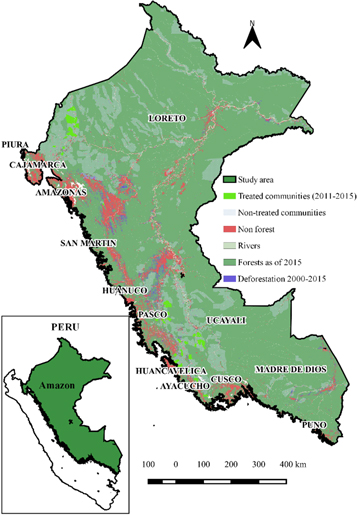
University of Bonn environmentalists and economists say Peru's National Forest Conservation Program needs to do more ro protect the rainforest.

Peru, on the other hand, is navigating the shackled man problem(1); that developed countries want the rest of the world to limit progress now that rich economies are already doing well. So in 2010 they launched a program to protect the rainforest but Europeans criticize that its effect is still too small. Further, they want Peru to enact three more stringent measures and if governments in Europe agree Peru has to at least consider it because they are held hostage by international governments funding the program.
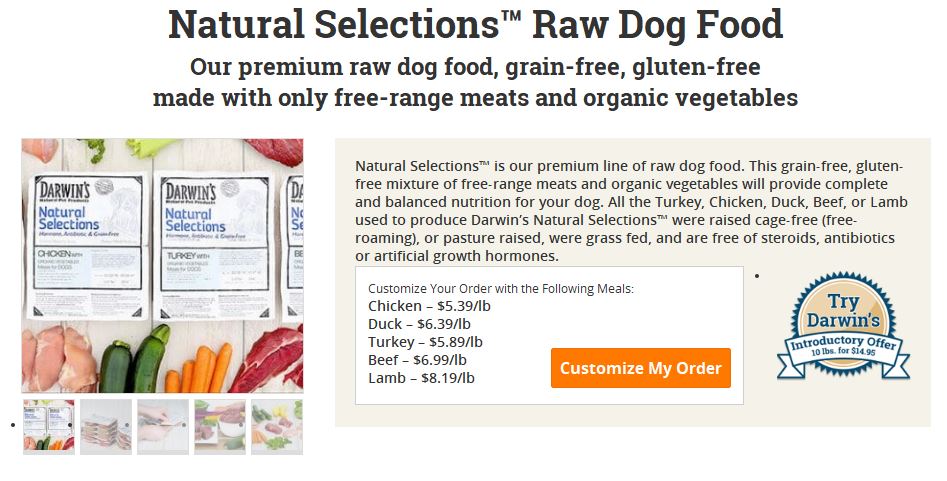
Everyone in 2019 likes to claim their beliefs are grounded in evidence.  The most anti-science groups, from the journalism department at New York University Arthur L. Carter Journalism Institute to Greenpeace, still claim to have evidence-based decision-making behind their political or financial agendas. It's no different in the "raw" pet food market, but it's harmless posturing to wrap yourself in the veil of science unless you are actually claiming to be scientific when you poison people or their pets.