Fake Banner
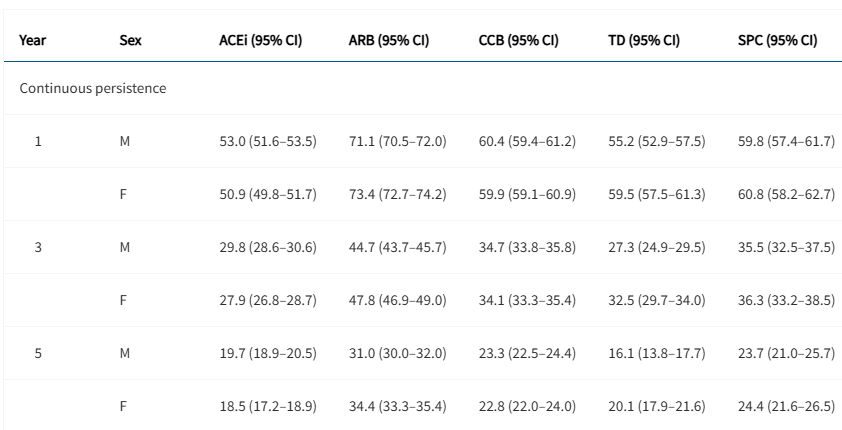
Blood Pressure Medication Adherence May Not Be Cost, It May Be Annoyance At Defensive Medicine

High blood pressure is an important risk factor for developing cardiovascular disease and premature...
On January 5th, Don't Get Divorced Because Of Hallmark Movies

The Monday after New Year's is colloquially called Divorce Day, but it's more than marriages ending...
Does Stress Make Holidate Sex More Likely?

Desire to have a short-term companion for the holidays - a "holidate" - is common enough that it...

To Boomers, An AI Relationship Is Not Cheating

A recent survey by found that over 28 percent of adults claim they have an intimate, even romantic...

User picture.
picture for Fred Phillipspicture for Hontas Farmerpicture for Tommaso Dorigopicture for picture for Patrick Lockerbypicture for Ilias Tyrovolas
Hank CampbellRSS Feed of this column.

I founded Science 2.0® in 2006 and since then it has become the world's largest independent science communications site, with over 300,000,000 direct readers and reach approaching one billion. Read More »

Blogroll
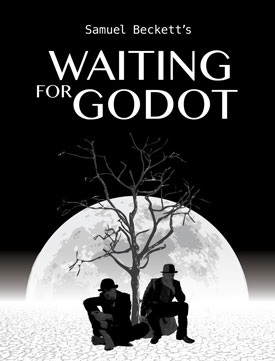
The 1948 Samuel Beckett play "Waiting for Godot" is about two people that are, as you can guess, waiting for Godot. They wait at a tree, but they have no idea who he is or if he will arrive. When the person they do not know and had no idea was ever arriving does not arrive, they decide to commit suicide using the tree, but give up on that because they don't have a rope. They say they are leaving, but stay. You get the idea. 
With the world COVID-19 pandemic in its sixth month, food activists are back to trumpeting locally grown, and even home grown, as a viable option for mass food production, but for most of the world how realistic is that? It's fine if Michael Pollan claims it is from his walled Berkeley back yard, but even most New York Times subscribers can't afford that.

To make it suitably ironic, environmentalists who have spent decades and $40 billion on campaigns saying single-family homes in suburbia are a blight on nature and we should all live in urban apartments are now claiming we should be growing vegetables and trading them with each other to create a more sustainable future.
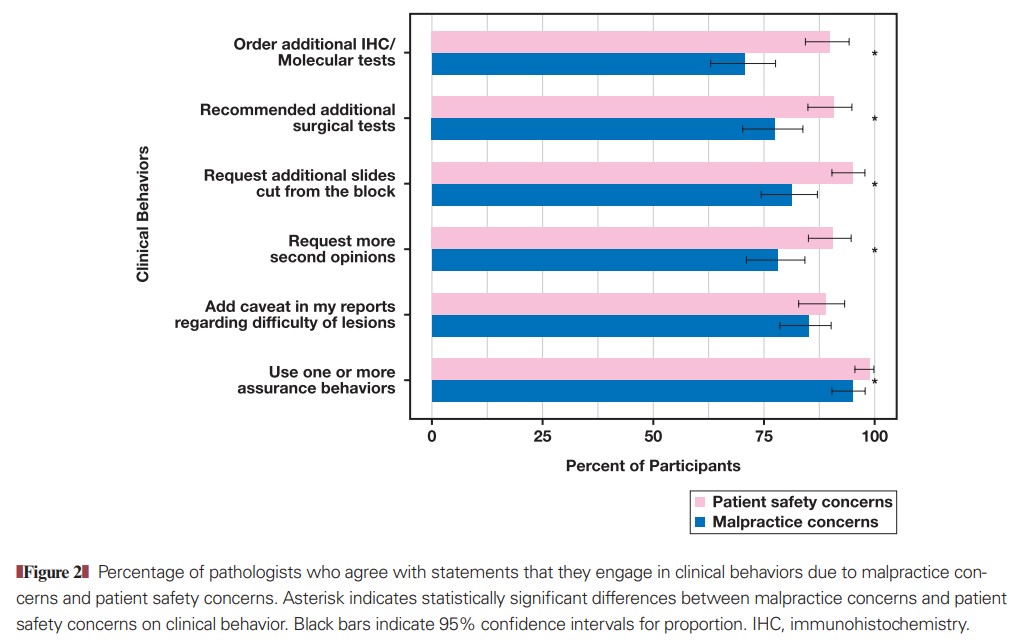
Dermatopathologists, skin cancer specialists, may be ordering additional tests or second opinions out of caution but they may also be thinking about checking off boxes to prevent malpractice lawsuits.
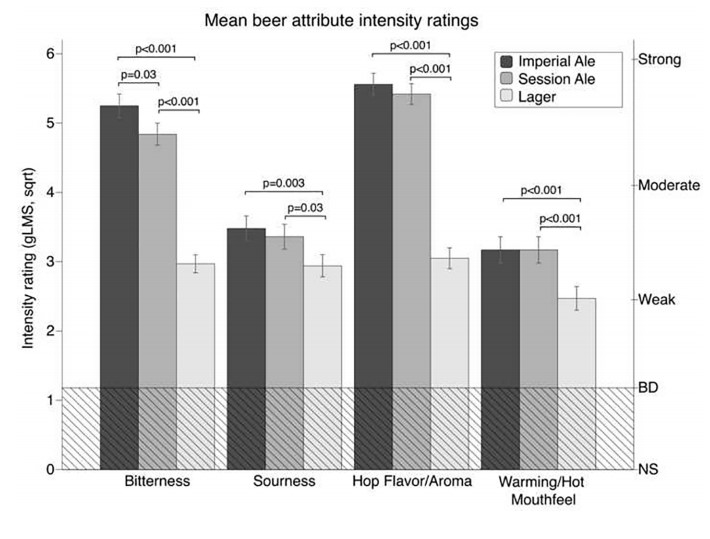
After centuries of converging on balanced, smooth beers, the industry suddenly lurched sideways in the 21st century. While large brands now have to fear for their existence, men in beards are making a fortune selling pronounced, bitter craft brews.

The business segment may have been with us all along, according to a new analysis. The survey of 109 beer consumers in a blind experiment found that greater perceived bitterness increased the appeal of beers. This is the opposite of most foods.
A new Hastings Report compilation is based on the notion that genomics are the reason we still have medical inequality. Since genomics is a field that exists to sequence our DNA content and therefore help understand disease, it seems odd to posit that it could promote inequality when studying biology we all share.
TikTok, the short video sharing app owned by Beijing-based ByteDance, has already been banned by the United States military, Wells Fargo, and the nation of India. A new report says no corporate phone, or private devices that may access secure information, should install it.