Fake Banner
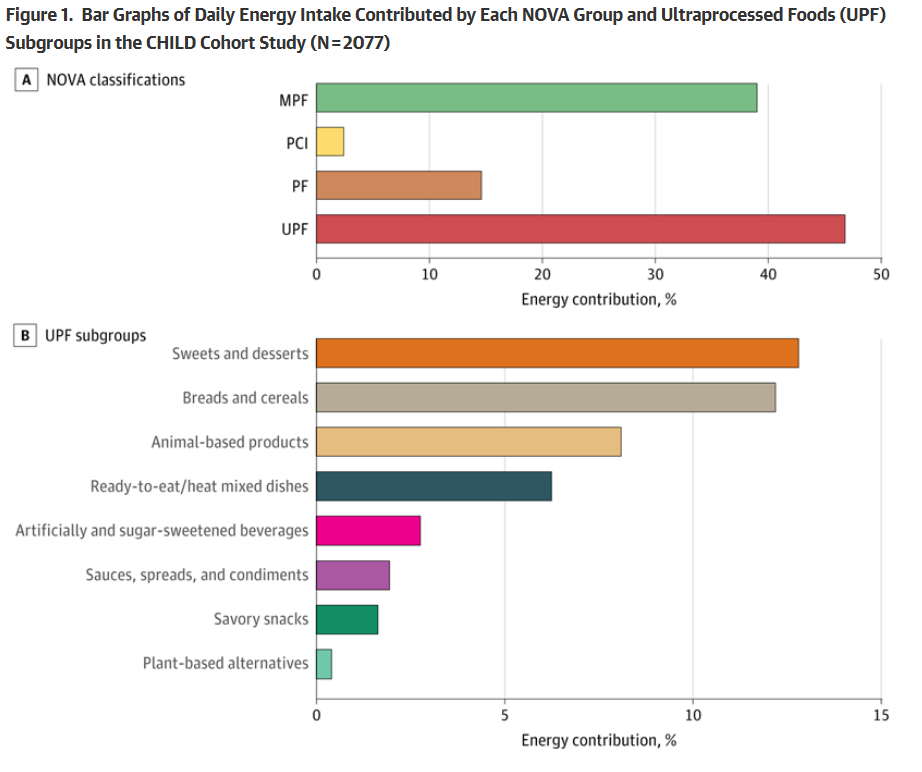
Canadian Epidemiologists Claim Processed Foods Cause Bad Kids

A cohort analysis of preschoolers in Canada has led the authors of the paper to call for bans...
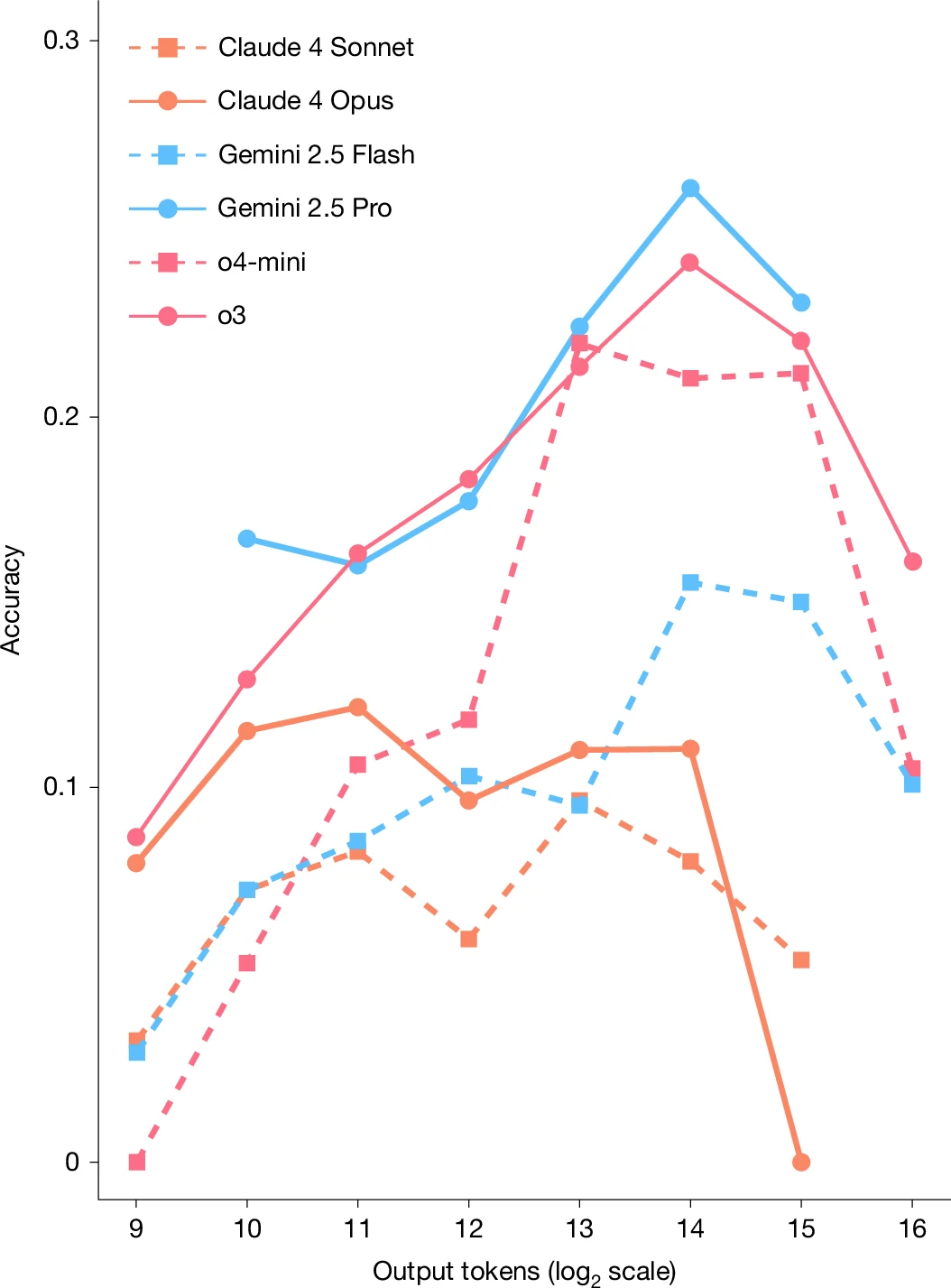
What AI Can't Do: Humanity’s Last Exam

By this time 26 years ago, the "Dot-Com Bubble" was ready to burst. People who wanted to raise...

Does NBA Income Inequality Impact Team Performance?

A new paper says that players where a few superstars get the money leads to less cooperation and...
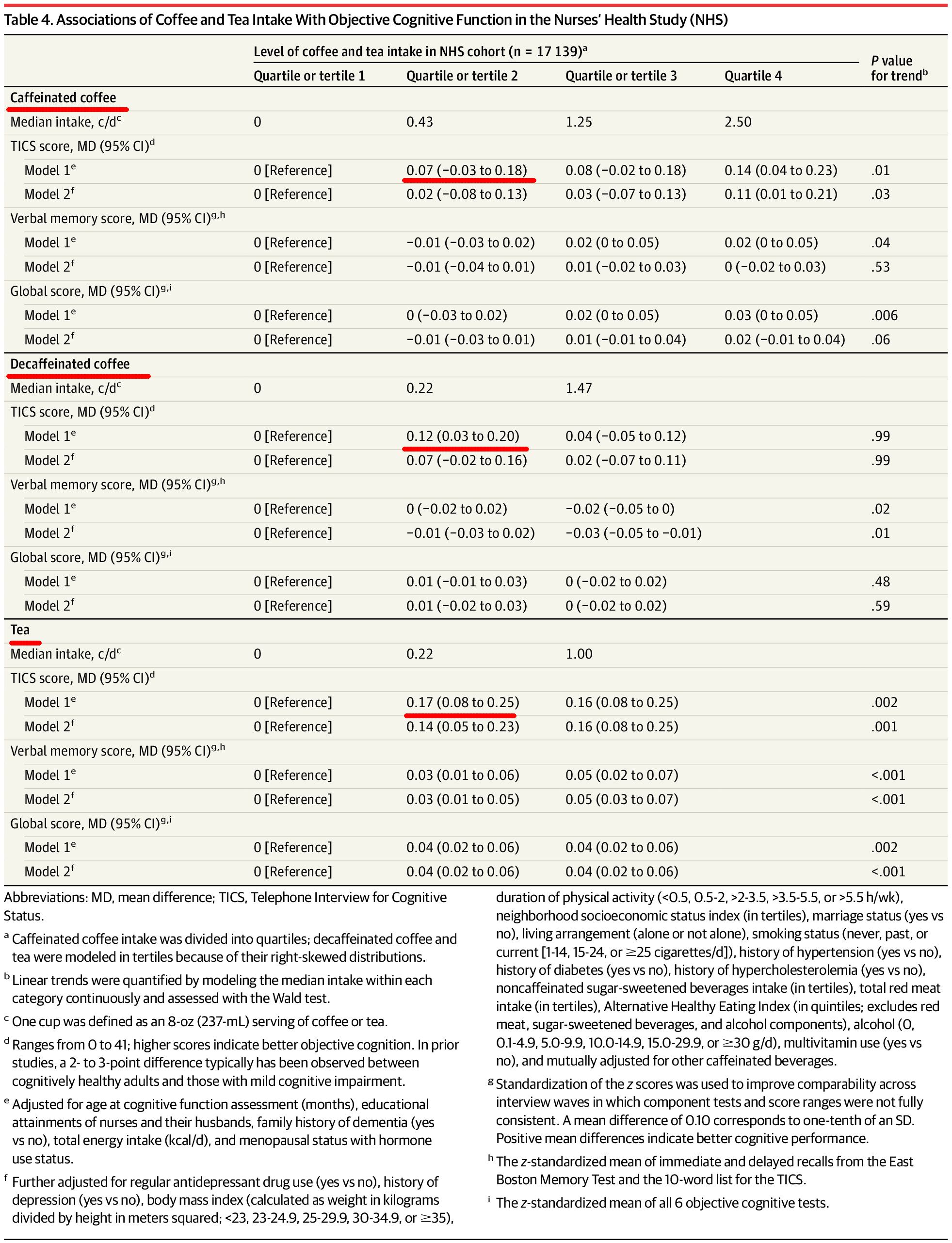
Dogs And Coffee: Finally, Epidemiology You Can Trust

In 2026, it is easy to feel intellectually knocked around by all of the health claims you read...

User picture.
picture for picture for Tommaso Dorigopicture for Fred Phillipspicture for Hontas Farmerpicture for Atreyee Bhattacharyapicture for Patrick Lockerby
Hank CampbellRSS Feed of this column.

I founded Science 2.0® in 2006 and since then it has become the world's largest independent science communications site, with over 300,000,000 direct readers and reach approaching one billion. Read More »

Blogroll
A new paper says Generation X adults in the United States are more likely to have a greater number of chronic health conditions than those that preceded them, which will please environmental groups who claim that everything from pesticides to natural gas to cell phones is killing us, but is not science.

There are two issues to think about. One is that diagnoses don't mean much. If you get a diagnosis of chronic lyme disease, it does not mean that is suddenly a real disease, and life expectancy is basically meaningless.
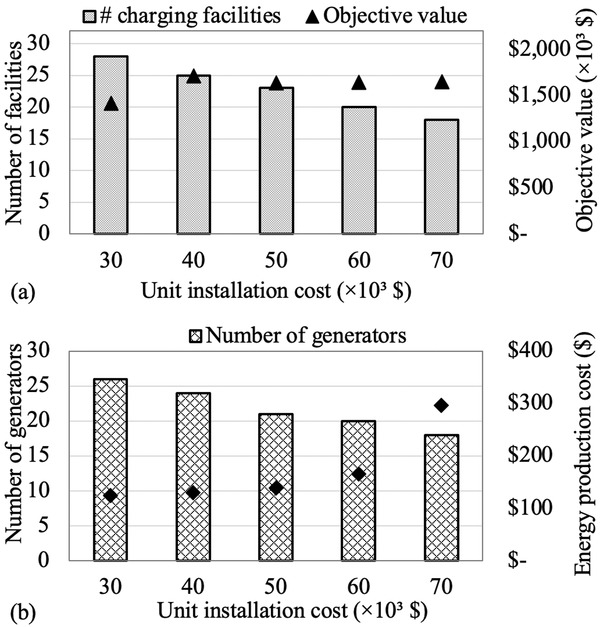
One thing electric car owners who have lost the mystique tell you is that you live your life around them. Some report going to a store like Costco to charge their cars, they need new service panels at their house, and one owner famously blew up his Tesla with dynamite rather than pay $22,000 to replace the batteries when they wore out. An article in the Wall Street Journal was by someone excited to rent an electric car for a trip, only to find they spent more time charging it than sleeping.
There is some produce advice coming from the activist camp yet again, but what they are selling is rotten.

A recent paper senior authored by famed organic industry proponent Dr. Michael N. Antoniou raised an alarm about insecticide and herbicide residues found in the fecal microbiome of 65 twins in the United Kingdom. The big problem with it is that it preys on modern science journalists not knowing that dose matters. Any detection of any chemical that can kill a rat at high doses is correlated to pathology in humans, despite that being nothing close to reality.

The activist group Environment and Climate Change Canada has gotten political allies inside the government's Health Canada division to try and lobby for bans on decabromodiphenyl ethane - without having a replacement for a flame retardant used to keep home appliances, electronics, and electric wires and cables safe.

That is an unnecessary increase in risk, not to mention a high price increase for Canadians already in the midst of a supply chain crisis.
In the 16th century, it was shown by Paracelsus that 'the dose makes the poison' - too much medicine or anything else could kill while too little did nothing. In the 21st century activists have sought to dispel that. They claim homeopathic effects from chemicals at safe doses, endocrine distuption and u-shaped curves, but science knows better.
You never want to introduce a spoiler into an article so I am warning you now, before you read any farther, that a spoiler is inevitable if I am going to talk about the secret role I played in the new Disney MCU film "Doctor Strange in the Multiverse of Madness."

If you haven't seen it because you thought the first was rather generic, I am with you but you should go. It is completely bananas, in the way a Doctor Strange film should be. It has Sam Raimi written all over it and that makes it a blast.