Fake Banner
Canadian Epidemiologists Claim Processed Foods Cause Bad Kids

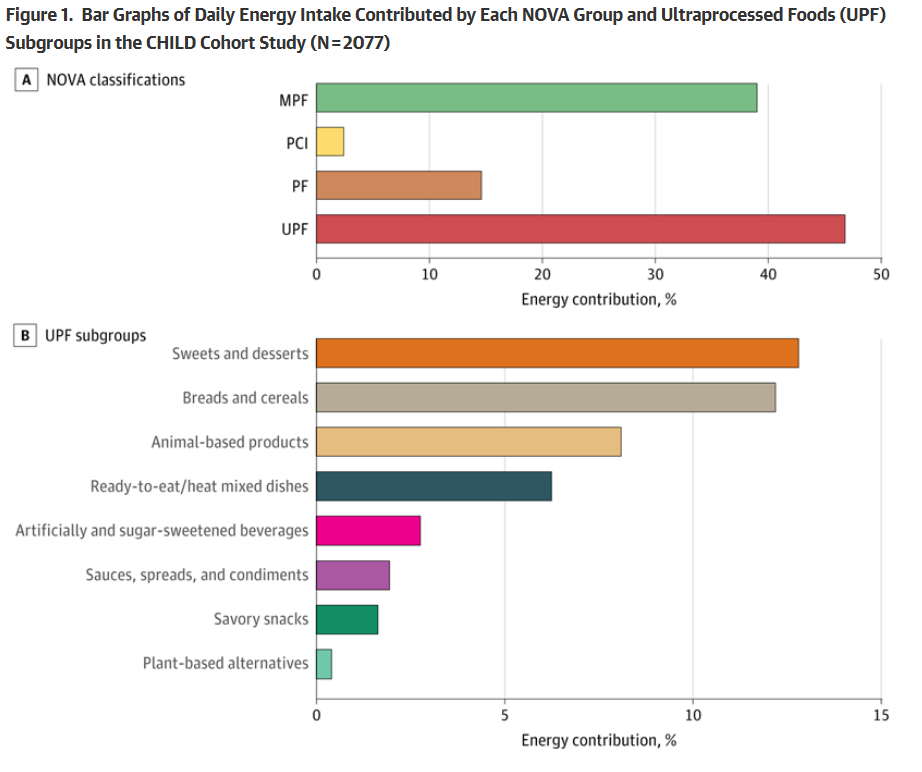
A cohort analysis of preschoolers in Canada has led the authors of the paper to call for bans...
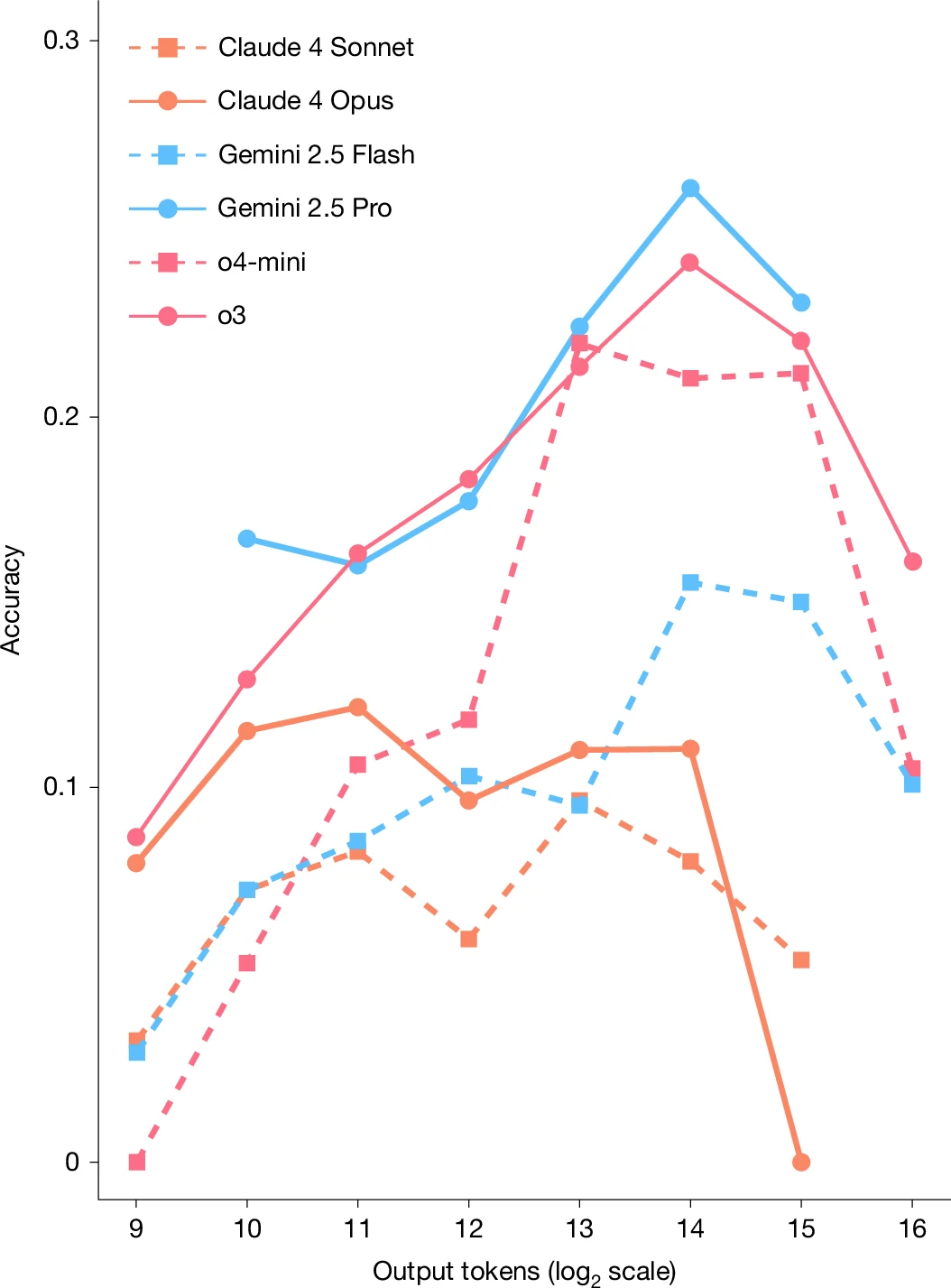
What AI Can't Do: Humanity’s Last Exam

By this time 26 years ago, the "Dot-Com Bubble" was ready to burst. People who wanted to raise...

Does NBA Income Inequality Impact Team Performance?

A new paper says that players where a few superstars get the money leads to less cooperation and...

Dogs And Coffee: Finally, Epidemiology You Can Trust

In 2026, it is easy to feel intellectually knocked around by all of the health claims you read...

User picture.
picture for picture for Tommaso Dorigopicture for Fred Phillipspicture for Hontas Farmerpicture for Atreyee Bhattacharyapicture for Patrick Lockerby
Hank CampbellRSS Feed of this column.

I founded Science 2.0® in 2006 and since then it has become the world's largest independent science communications site, with over 300,000,000 direct readers and reach approaching one billion. Read More »

Blogroll
COVID-19 is certainly worse than the SARS and MERS pandemics that occurred a few years prior, and the reasons why SARS-CoV-2 is worse than those others is open for debate, but one thing is not; pandemics, even extreme ones, are not as rare as many believe.

The big difference between pandemics now and those of prior generations is the prevalence of real-time media and worldwide connections never available before. We have no real way to know how many people the Asian Flu of the 1950s killed because there was even less transparency in China then than there is now. Likewise, the Spanish Flu may have killed far more than we know, just as we don't know how many died in a country like Brazil or China.
Devices we watch and listen on are smaller than ever, which means speakers for sound are as well. In the past, it was difficult to get quality sound from small parts because sound is still analog when it gets to us, and that takes surface area. 

Like synthetic grape flavor, using one important part when it requires lots means a result is not quite right. Today's compact speakers are more like synthetic banana flavor; you are unlikely to know the difference, and that is due to mastering physics beyond the surface area - controlled destruction of sound waves.
During the COVID-19 pandemic, the American public fell back in love with science. In the first 19 years of this century, Californians denied vaccines to such an extent a law had to be passed to prevent coastal parents from creating a Whooping Cough pandemic. Every building had cancer warnings somewhere - even oncology wards in hospitals warned cancer patients they might get cancer by visiting their doctor - and Non-GMO Project rock salt(!) took off.

That has now changed.(1) For most of the country, Purell, Clorox, and Lysol replaced bottles of useless green-labeled goop that claimed to be natural alternatives. People wanted what worked.
The EPA is requesting public comment on a biological evaluation of three seed treatment pesticides, called neonicotinoids. Neonicotinoids were created in the 1990s to require less mass spraying and possible damage to the environment. They are seed treatments, so they protect plants when they are most vulnerable to pests and that means less strain on the environment with spraying.

The sounds great, but so does limiting them when you read "each of these chemicals is likely to adversely affect certain listed species or their designated critical habitats" because that reads authoritative.
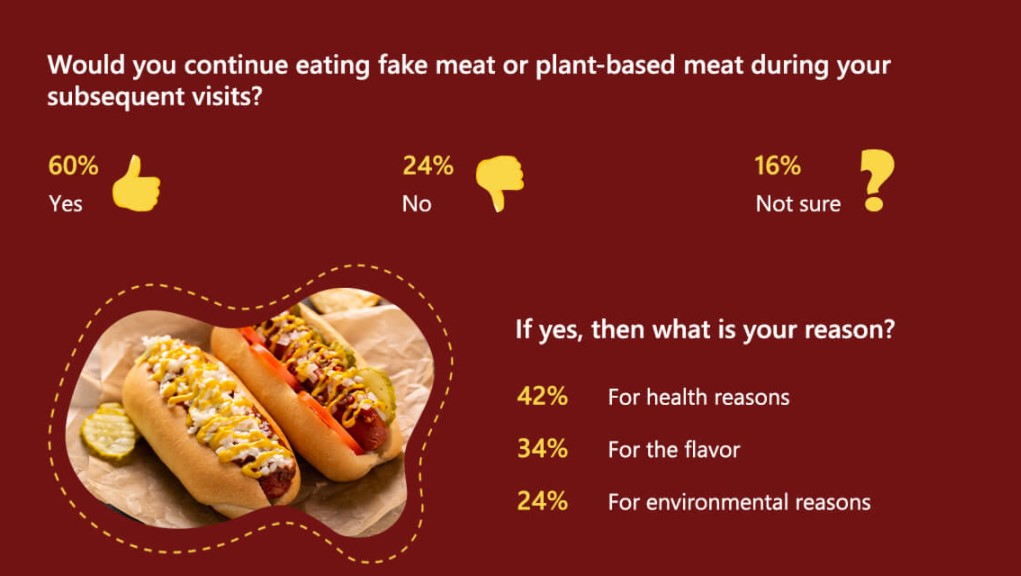
A new survey has good news for the alternative-to-cattle market, Beyond Burgers and the like; 54 percent of surveyed Americans claim they have tried it and 70 percent of those thought it okay.(1)  

Burger King is a game changer on that, and over 40 percent reported buying it there. That all sounds great, but there is a confounder. The survey of 30,700 conflates lab-grown meat and vegetable patties, which have gigantic differences among consumer beliefs. That said, it still has some good news for companies in that space.
A new study statistically correlates wildfire smoke to pre-term birth risk. There are a number of confounders in that, of course, like that exposure to wildfires creates a great deal of stress and often hurried actions and those are huge factors, but they instead dredged up a link to something that makes little sense - air quality far from fires. And since they came up with a suitably cosmic number - 7,000 extra preterm births in just 5 years!it is sure to get attention in a state where everyone hyperventilates over everything.