 Co-Design Of Scientific Experiments
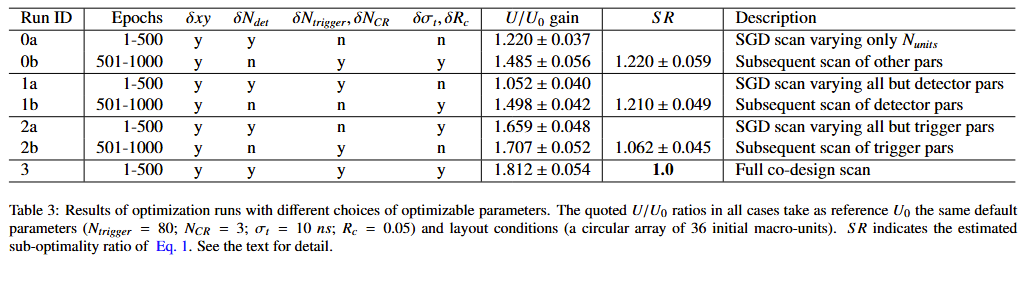
Next Monday, or Tuesday at the latest, you will find a new bulky paper in the arXiv. Titled "On...
 Travel With Two Infants
The other day I traveled with Kalliopi and our two newborns to Padova from Lulea. After six full...
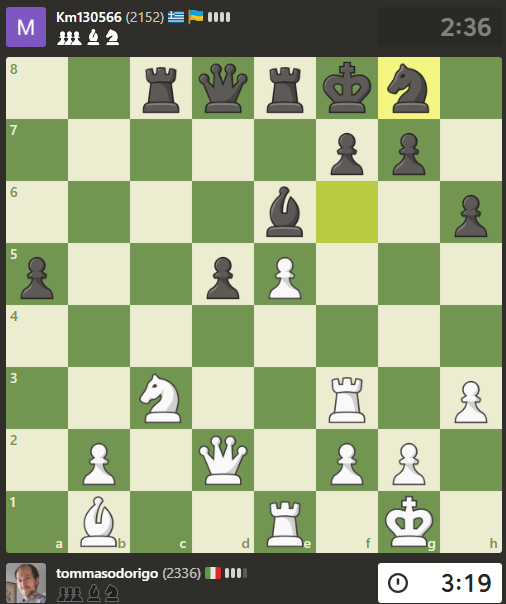 A Nice Little Combination
Although I have long retired from serious chess tournaments (they take too much time, a luxury...
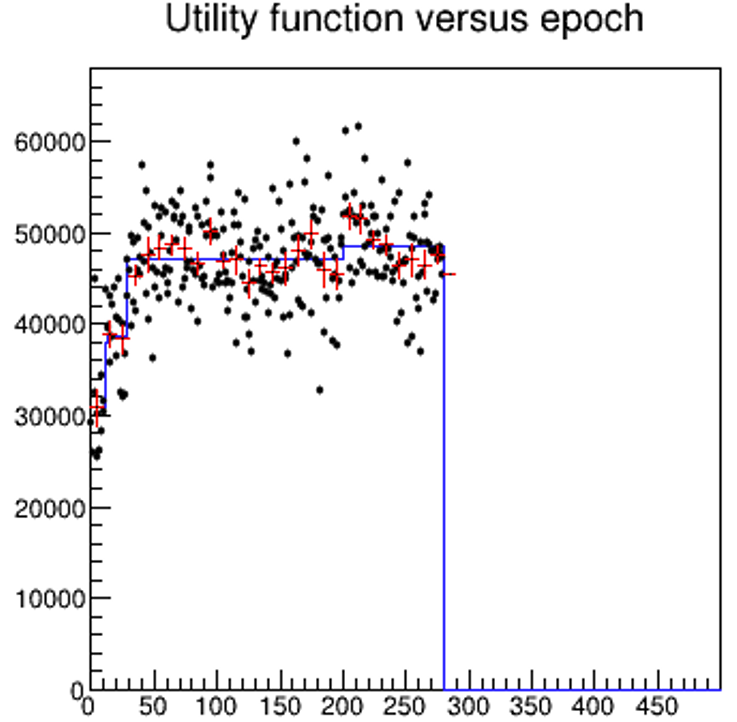 The Strange Case Of The Monotonous Running Average
These days I am putting the finishing touches on a hybrid algorithm that optimizes a system (a...
       |
Tommaso Dorigo Tommaso Dorigo is an experimental particle physicist, who works for the INFN at the University of Padova, and collaborates with the CMS and the SWGO experiments. He is the president of the Read More » |
Blogroll |
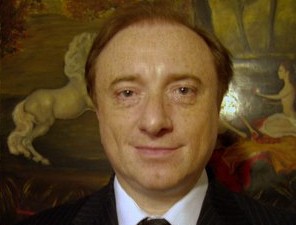
 Fabrizio Tamburini (left) is an old friend - I have known him since 1976, when we both used to attend the gatherings of the newborn Associazione Astrofili Veneziani, at the Lido of Venice. The love for astronomy had brought us together, but we took different paths in our scientific activities. Fabrizio remained maybe more faithful to his old love for the universe, and is now a well-known and respected astrophysicist, who studies original ideas in the physics of photon propagation and more. I repeatedly invited him to write about his research here, but so far he has not accepted, mainly for lack of time... But I am sure he will soon.