This is just a short post to mention one thing I recently learned from a colleague - the ATLAS experiment also seems to have collected a 5.3 TeV dijet event, as CMS recently did (the way the communication took place indicates that this is a public information; if it is not, might you ATLAS folks let me know, so that I'll remove this short posting?). If any reader here from ATLAS can point me to the event display I would be grateful. These events are spectacular to look at:
the CMS 5 TeV dijet event display was posted here a month ago if you like to have a look.
The challenge of providing Ph.D. students in Physics with an overview of statistical methods and concepts useful for data analysis in just three hours of lectures is definitely a serious one, so I decided to take it as I got invited to the "
Indian Summer School" in the pleasant lakeside town of Traunkirchen, Austria.
Category theory is a branch of mathematics which attempts a formalization in terms of simple elements and associations between them. A rather abstract construction, indeed, and certainly one above my head (I am an experimentalist, for god's sake!).
Just a short post to remind anybody who has successfully completed a master in scientific disciplines that there is a chance to do research with the CMS experiment at CERN, earning a PhD in Physics or Statistics and becoming expert with Statistical Learning techniques, while being paid a salary much higher than mine.
This morning I received a copy of the book "WHAT NEXT ? White Paper of CSN1", a publication of the Italian INFN (National Institute for Nuclear Physics) addressing the question of what awaits us after the Higgs discovery, and what projects should be supported in the long-term future of HEP.
The book is the result of one year of work by many colleagues who have actively participated in four working groups and one task force, producing some preliminary studies of the discovery potential of this or that machine, and of the most important questions that need to be answered -and the projects that appear more suited to answer them. Editors of the work are Franco Bedeschi, Roberto Tenchini, and John Walsh.
The working groups were thus titled:
The title of this post is also the title of a self-published book by George Triantaphyllou, a greek physicist whom I met two weeks ago in Kolimbari, when we attended the ICNFP 2015 conference. I had met George at the same conference three years before, and this year we had some time to chat during a nice excursion in a botanical garden near Chania and at the conference dinner. As he was kind enough to offer me a copy of his book, I thought I would relate about it here today.


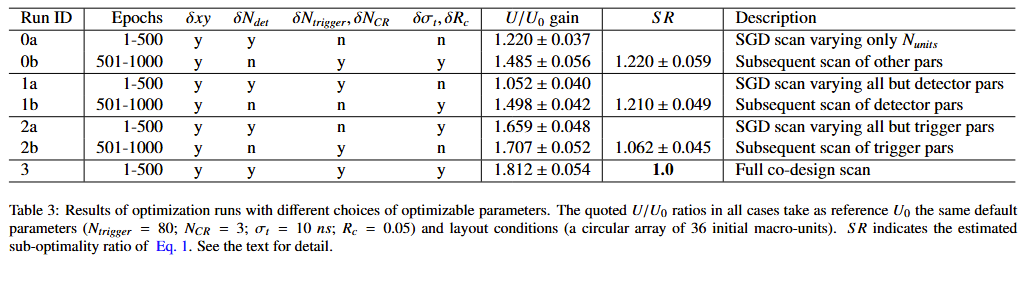 Co-Design Of Scientific Experiments
 Travel With Two Infants
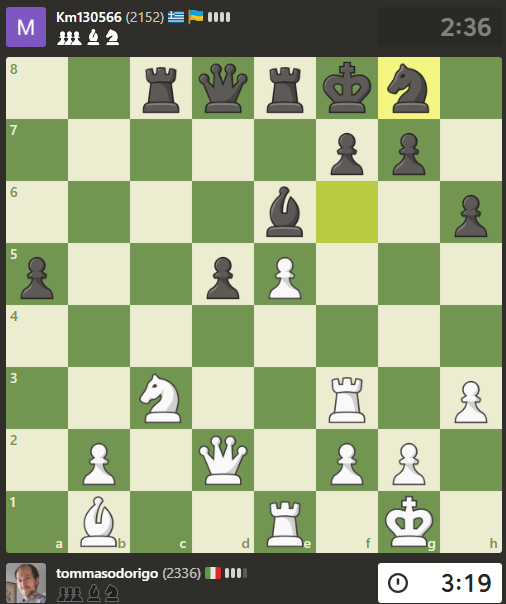 A Nice Little Combination
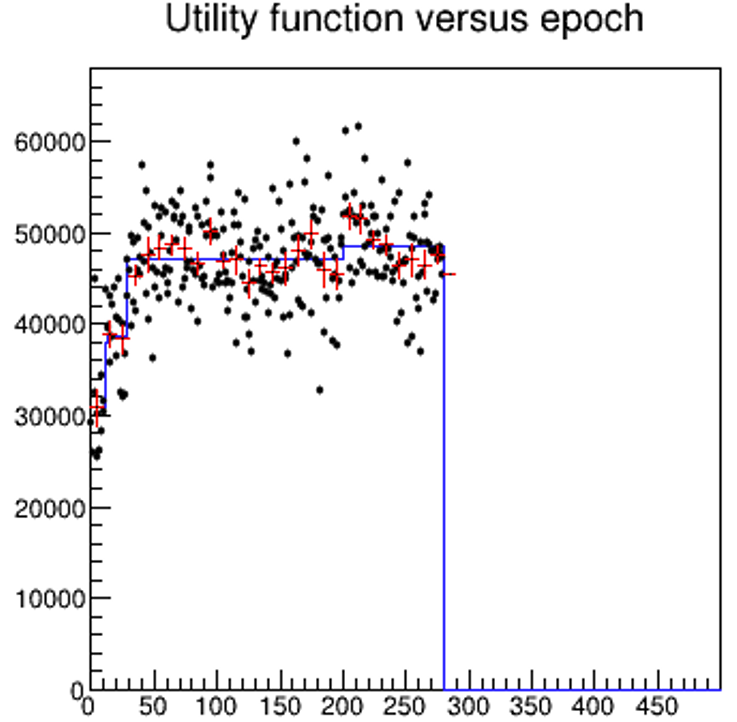 The Strange Case Of The Monotonous Running Average