The Rise Of The Time Machines
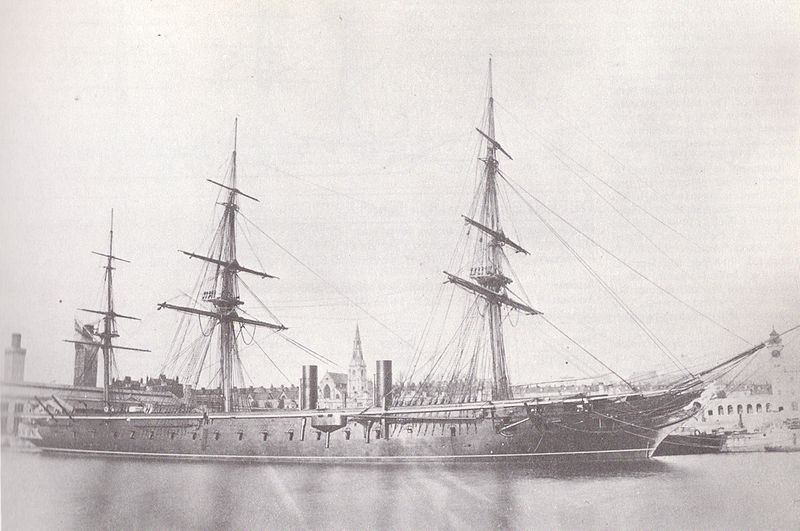
Do you own a time machine? The chances are that if you are reading this, then you own a time machine. They are fairly cheap nowadays. Like so many things, the first time machine was built for the military and cost a lot of money.
What do you think happened to the first person to claim to be able to predict the future using a machine built on scientific principles? You may think he was treated with scorn, treated as a crank. In fact he was given lots of money.
His invention was funded, not because the government of the day went to school with him, but because he was able to validate his method. Scientists using the same method were able to predict future events with great accuracy.
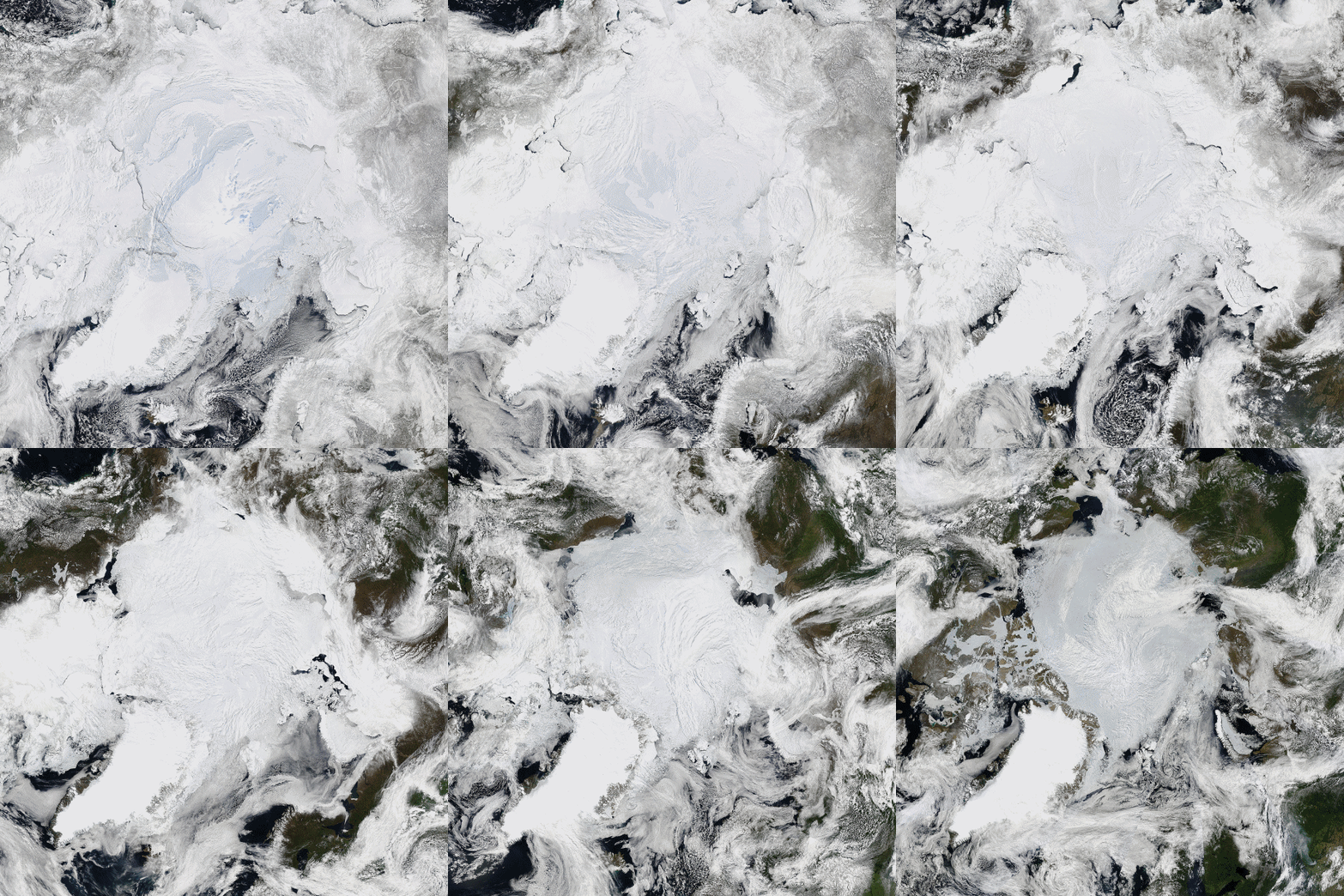
Arctic Ice July 2010 - Update #1
Before I write another line about ice, I want to thank all of my readers. Whether or not you leave comments, whether or not you link in other blogs, just knowing that I have so many readers gives me the encouragement to keep going: to keep up the standards I have set myself.
One of the standards I set for myself is to always remember just how much I don't know. We have much still to learn about the Arctic. Just when we think we know all there is to know, you can be sure that nature will remind us most harshly of our blind ignorance.
Arctic ice July update #1
Another Poetic Interlude
Language is my first love.
When I discovered the joy of the scientific method I applied it to language.
The study of linguistics can be incredibly boring or a source of great joy. The choice is there to be made. It's a matter of approach. You can, perhaps, switch off your emotions and study with cold logic, or switch off the logic and get so emotional that you end up talking rubbish.
There is a third way.
Let logic map out the landscape, but let emotion decide which bit of it you are going to ramble through today, just for the sheer joy of it.
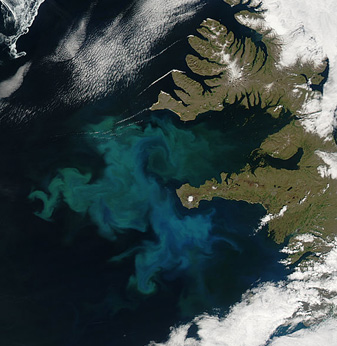
MODIS Rapidfire For Citizen Scientists - #4This is part #4 of a brief explanation of the NASA/GSFC MODIS Rapid Response System -
Rapidfire - together with a Howto for citizen scientists. The first part was
MODIS Rapidfire For Citizen Scientists - #1In this part, I describe some of the things to be seen in the MODIS images.
A Brit Celebrates July 4th
I've only been writing here for just over a year. From day one I have been made to feel very welcome, and I want to thank everyone here and all of my readers for that. Of course, Hank gets the biggest and bestest thank you.
But I want to go further. Science 2.0 gives me an intellectual freedom which can only exist where freedom of speech is cherished.
I was born just after WW2 had ended. I grew up knowing what a great debt I owed to the brave men and women of all nations who fought a tyranny under which I might never have learned the meaning of freedom.
Search For Franklin - A Free Resource
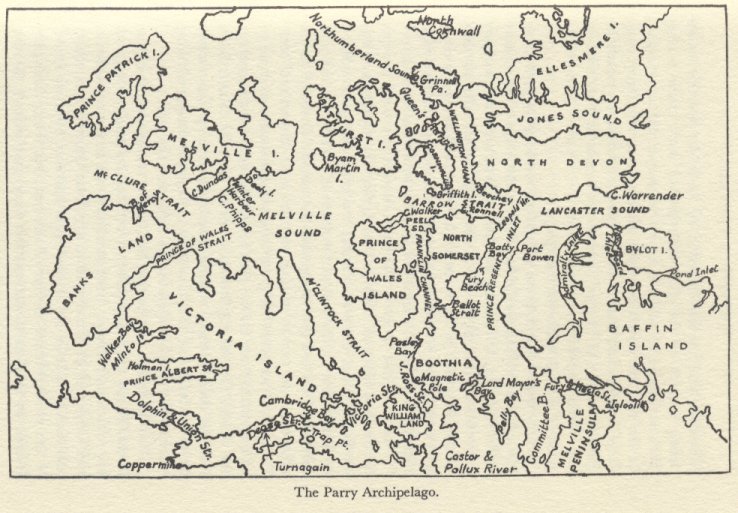
Much of what was known about the Arctic before the 20th century came from the sheer guts and determination of men who didn't know how to quit.
The quest for a North West Passage was promoted by commercial and military considerations. After the loss of the Franklin Expedition with two entire ships' crews, a 'no expense spared' approach was taken to finding the lost expedition.
Many of the ships engaged in the search had to be abandoned due to the terrible conditions. Eventually, all hope of finding any member of the Franklin crews alive was abandoned.


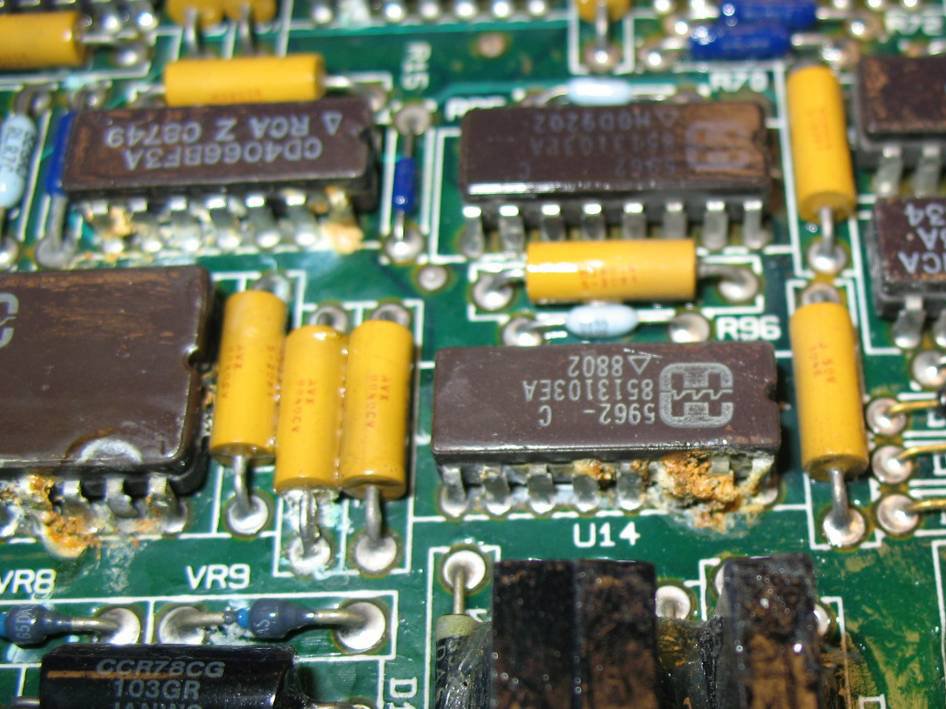 Air India Flight 171 - Flawed EE Bay Water Ingress Theory
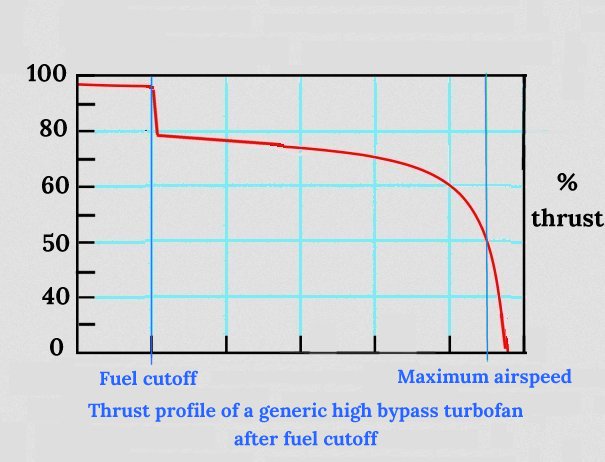 Air India Flight 171 Accident Summary - Key Findings
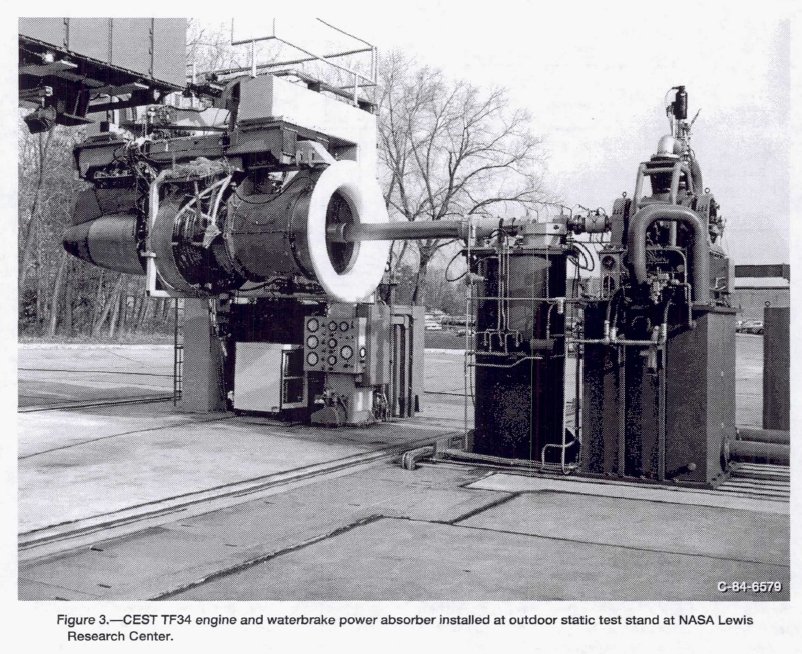 Air India Flight 171 - Ask The experts
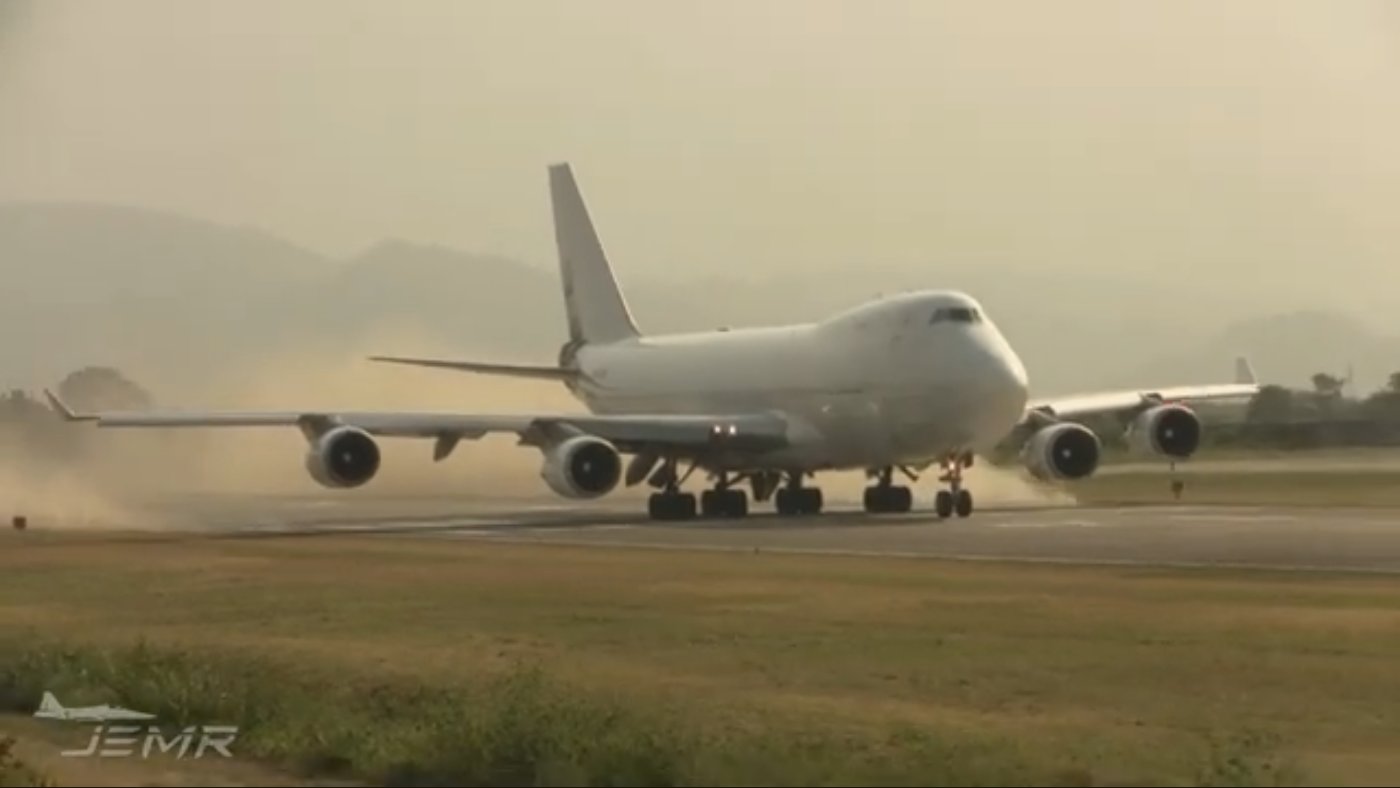 Air India Flight 171 - The Vital Seconds