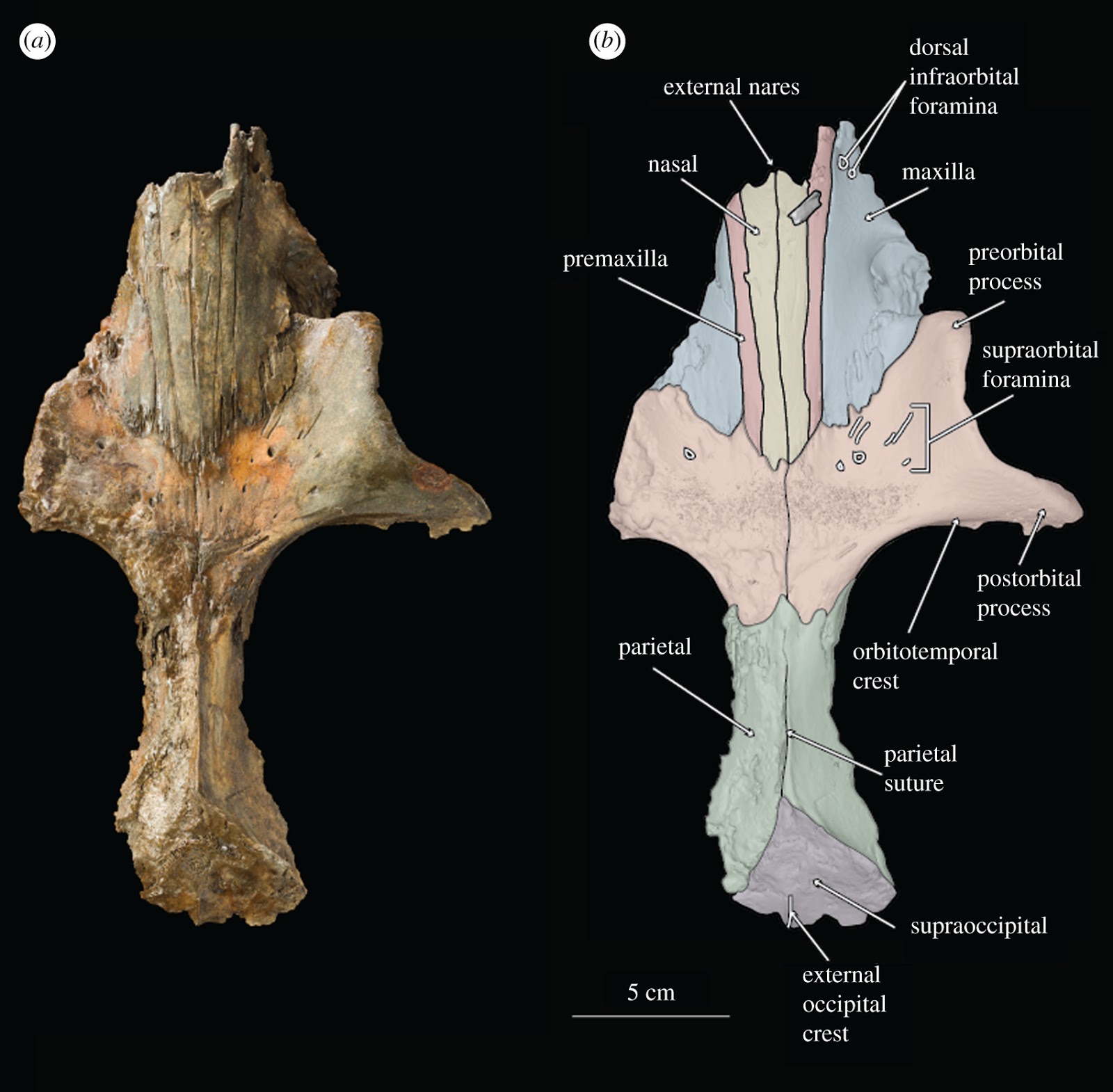
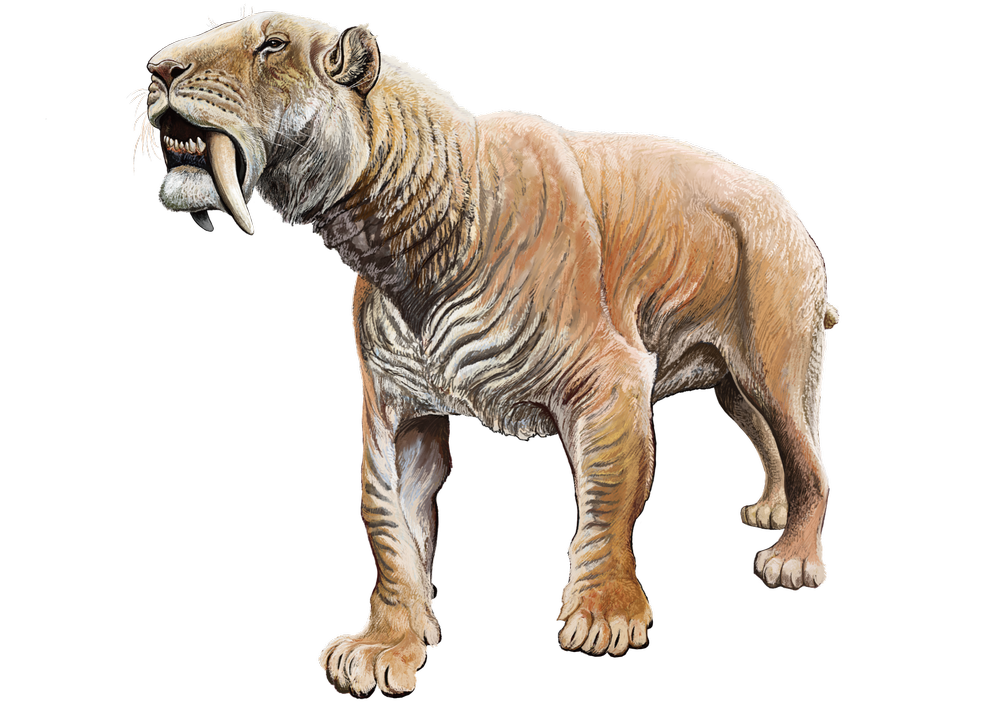
 Smilodon North of the 49th Parallel
The fierce predator Smilodon fatalis — a compact but robust killer that weighed in around...
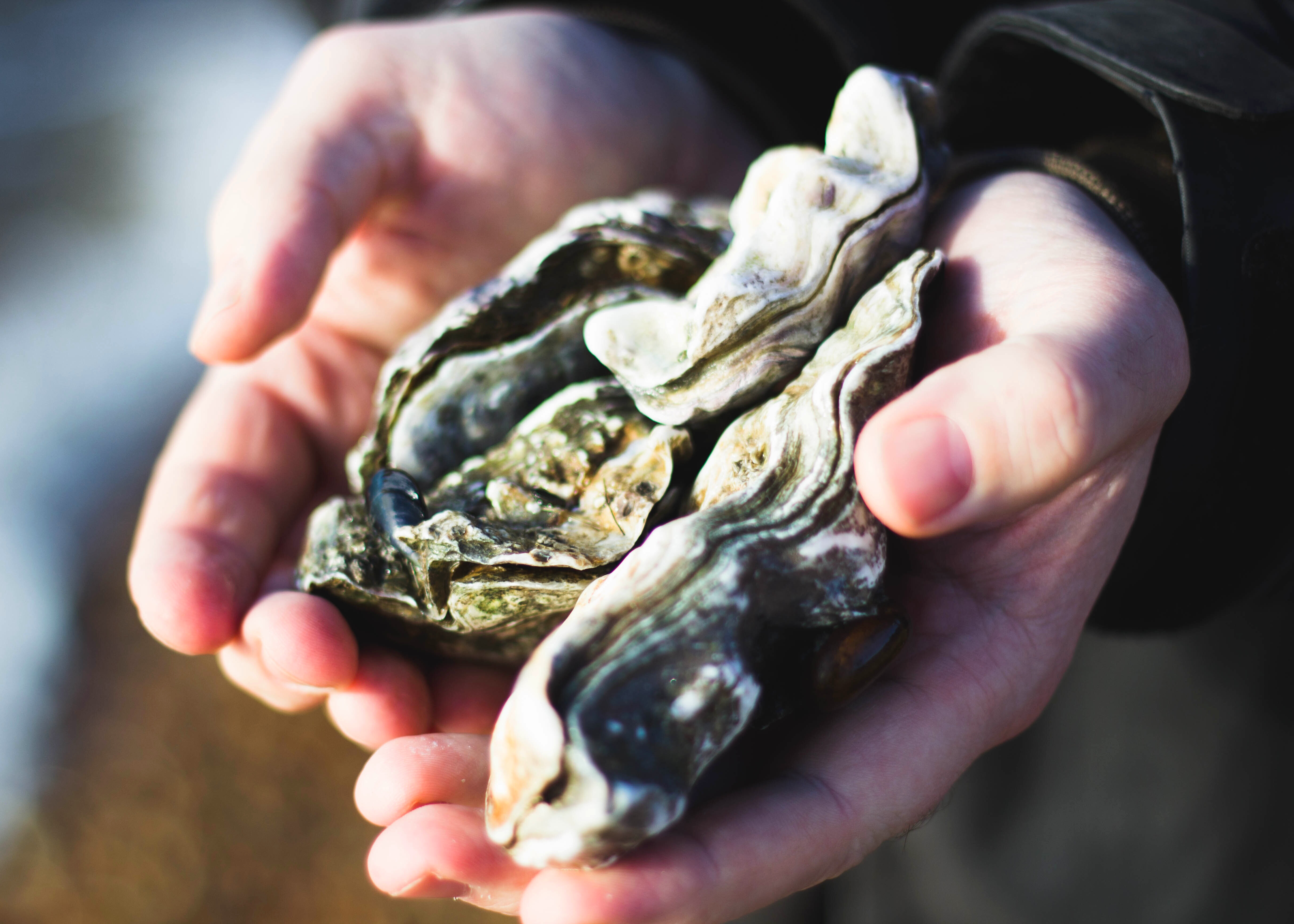 First Nation Shell Middens And True Oysters
One of the now rare species of oysters in the Pacific Northwest is the Olympia oyster, Ostrea lurida...
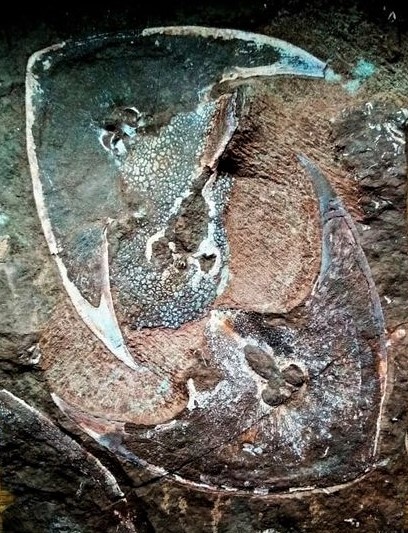 Zenaspis: Lower Devonian Bony Fish Of Podolia, Ukraine
A Devonian bony fish mortality plate showing a lower shield of Zenaspis podolica (Lankester, 1869)...
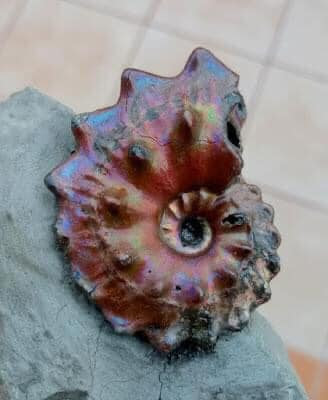 Oil in Water Beauty: Euhoplites of Folkstone
Sheer beauty — a beautiful Euhoplites ammonite from Folkstone, UK. These lovelies have a pleasing...
       |
Heidi Henderson Musings in Natural History—meant to captivate, educate and inspire. |
Blogroll |




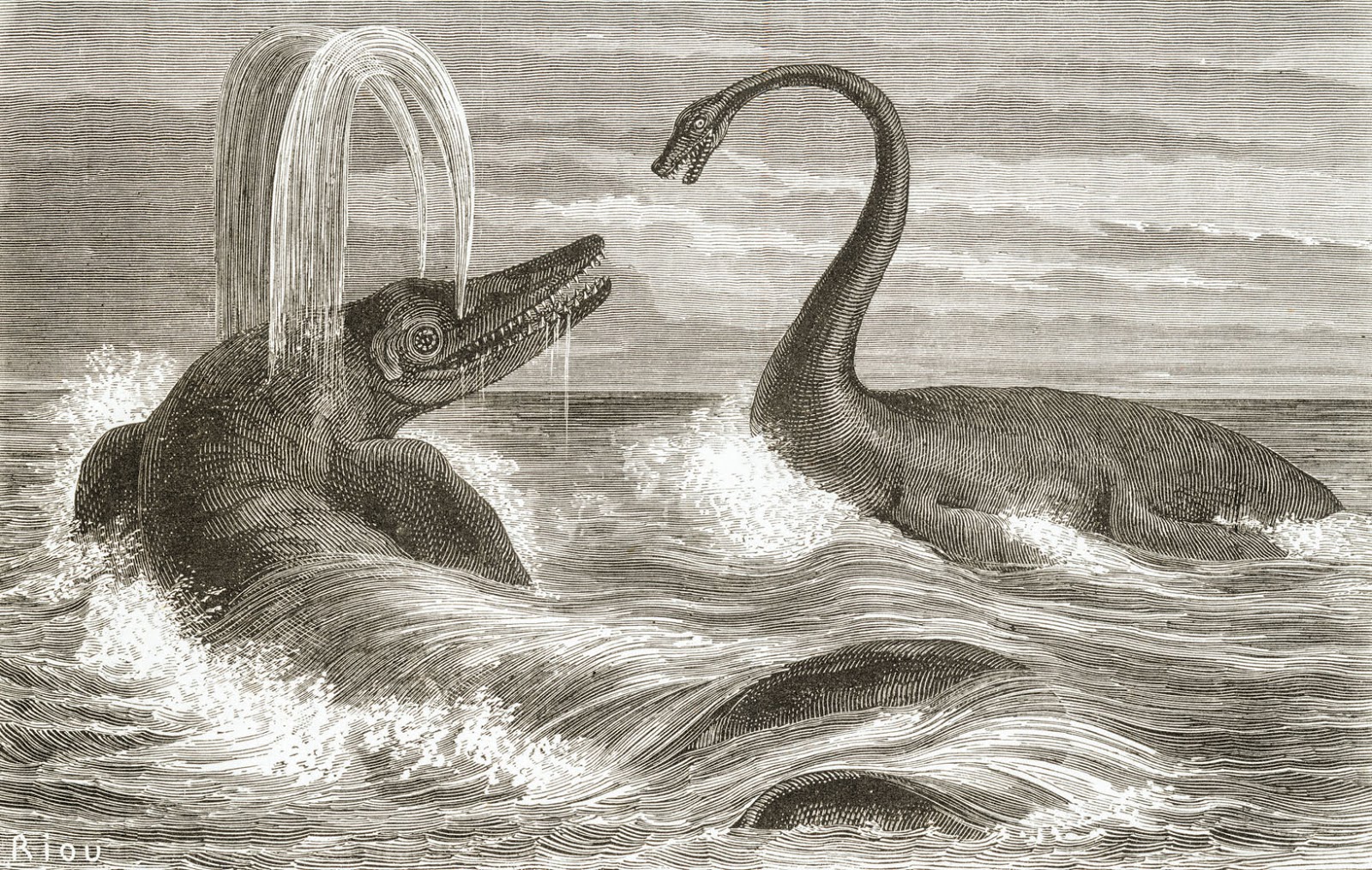 During the early Triassic period, ichthyosaurs evolved from a group of unidentified land reptiles that returned to the sea. They were particularly abundant in the later Triassic and early Jurassic periods before being replaced as premier aquatic predator by another marine reptilian group, the Plesiosauria, in the later Jurassic and Cretaceous periods.