 Smilodon North of the 49th Parallel
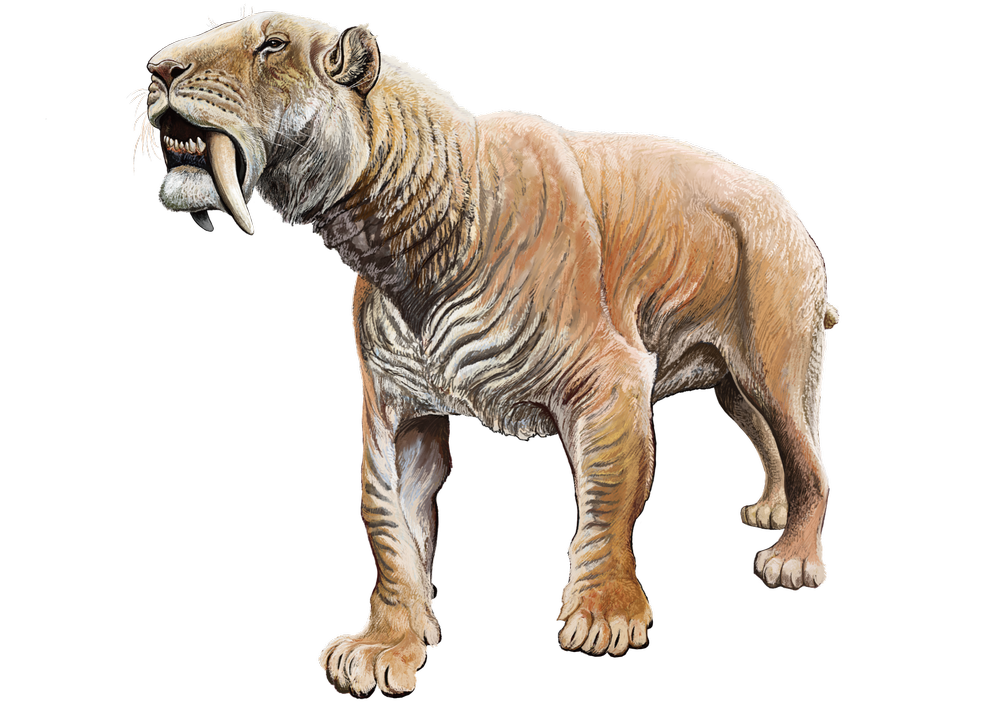
The fierce predator Smilodon fatalis — a compact but robust killer that weighed in around...
 First Nation Shell Middens And True Oysters
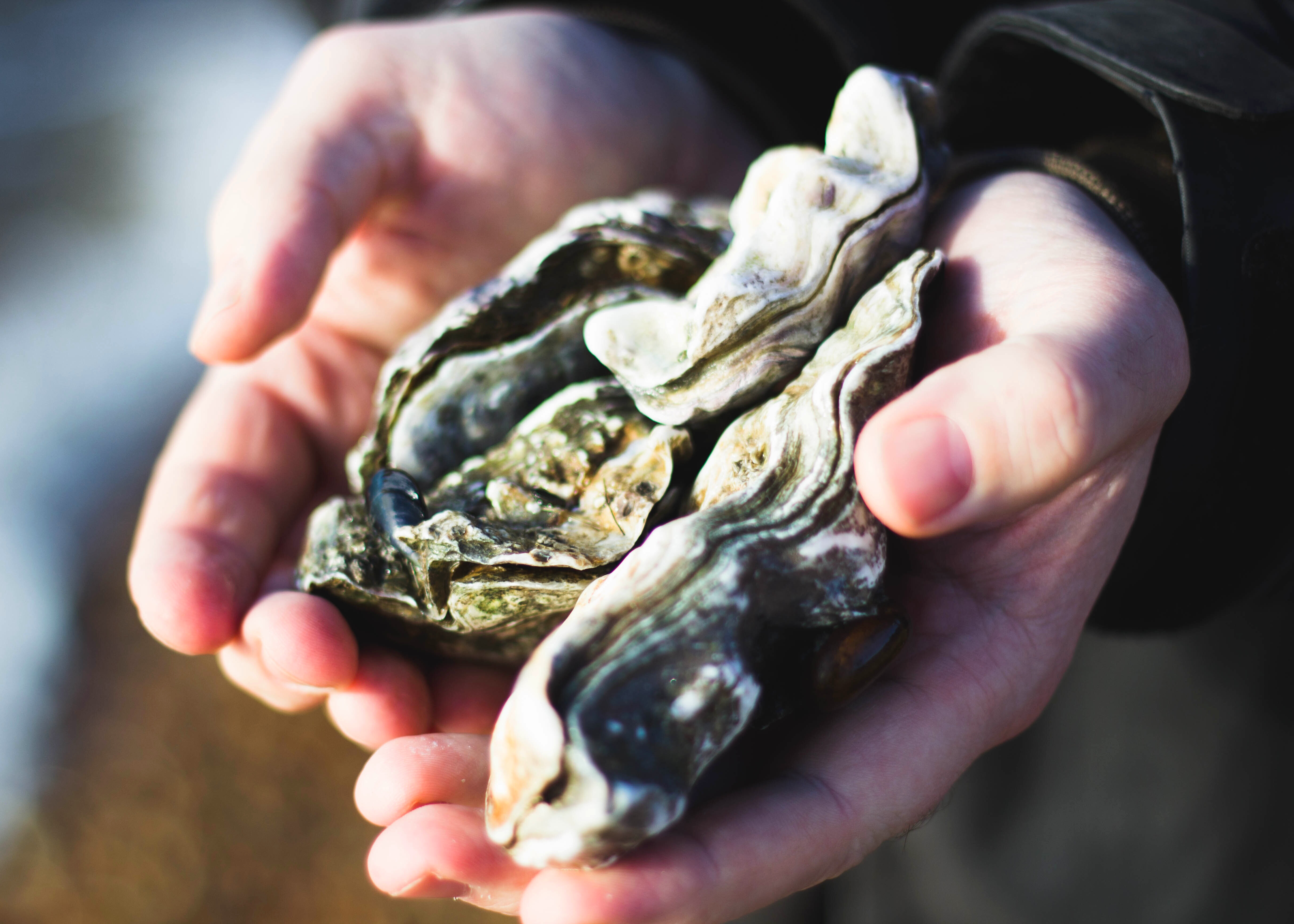
One of the now rare species of oysters in the Pacific Northwest is the Olympia oyster, Ostrea lurida...
 Zenaspis: Lower Devonian Bony Fish Of Podolia, Ukraine
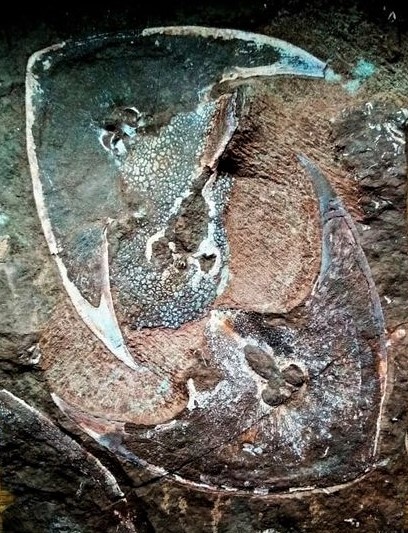
A Devonian bony fish mortality plate showing a lower shield of Zenaspis podolica (Lankester, 1869)...
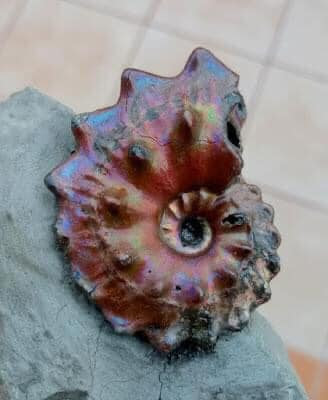 Oil in Water Beauty: Euhoplites of Folkstone
Sheer beauty — a beautiful Euhoplites ammonite from Folkstone, UK. These lovelies have a pleasing...
       |
Heidi Henderson Musings in Natural History—meant to captivate, educate and inspire. |
Blogroll |

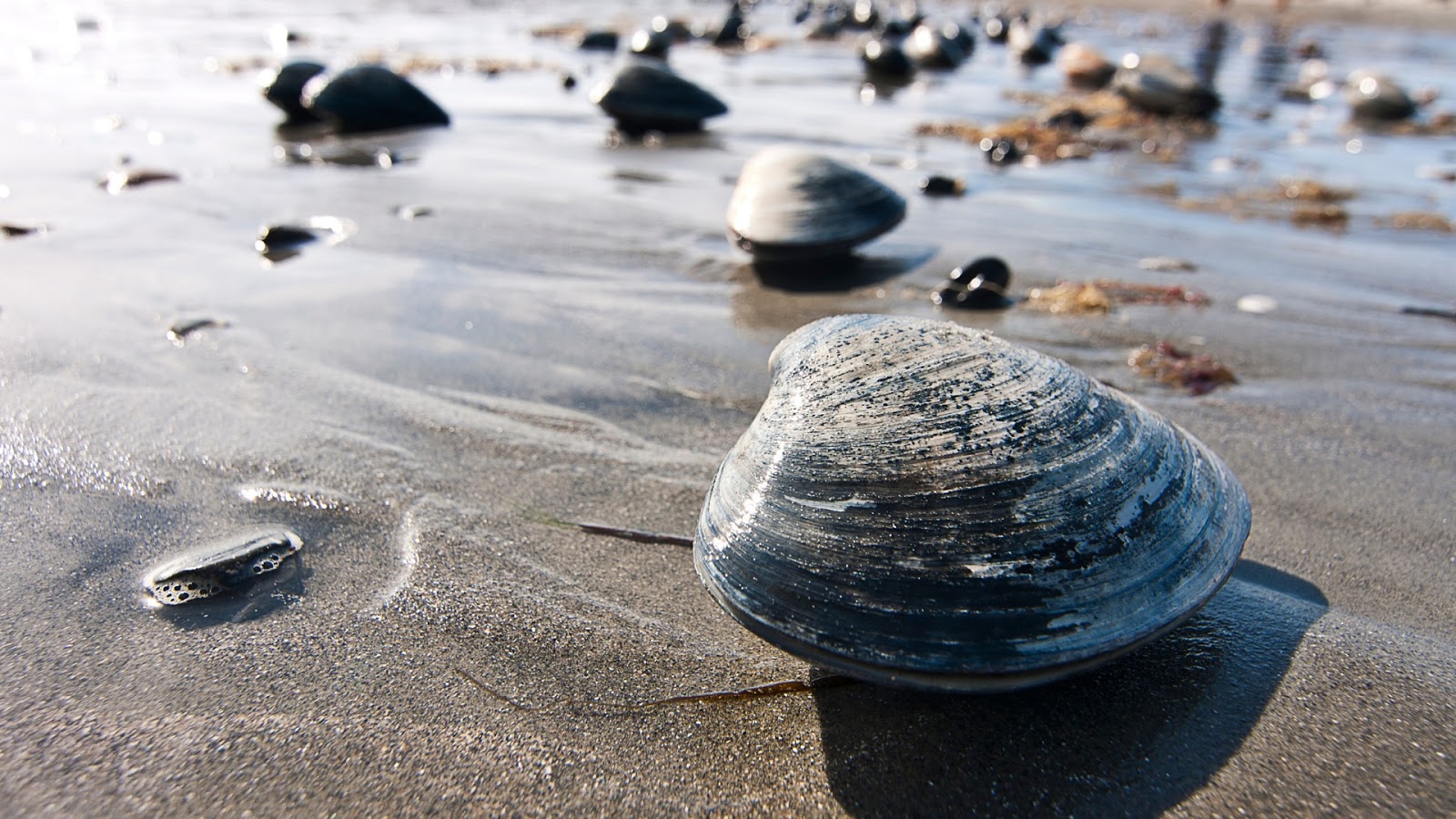 “When the tide is out, the table is set.” This wisdom from those who call Haida Gwaii home is still true today. The enormous difference between high and low tide in Haida Gwaii – up to twenty three vertical feet – means that twice a day, vast swathes of shellfish are unveiled, free for the taking.

 This well-preserved partial ichthyosaur was found in the Blue Lias shales by Lewis Winchester-Ellis. The vertebrae you see are from the tail section of this marine reptile. The find includes stomach contents which tell us a little about how this particular fellow liked to dine. As with most of his brethren, he enjoyed fish and cephalopods. Lewis found fish bone and squid tentacle hooklets in his belly. Oh yes, these ancient cephies had grasping hooklets on their tentacles. I'm picturing them wiggling all ominously.


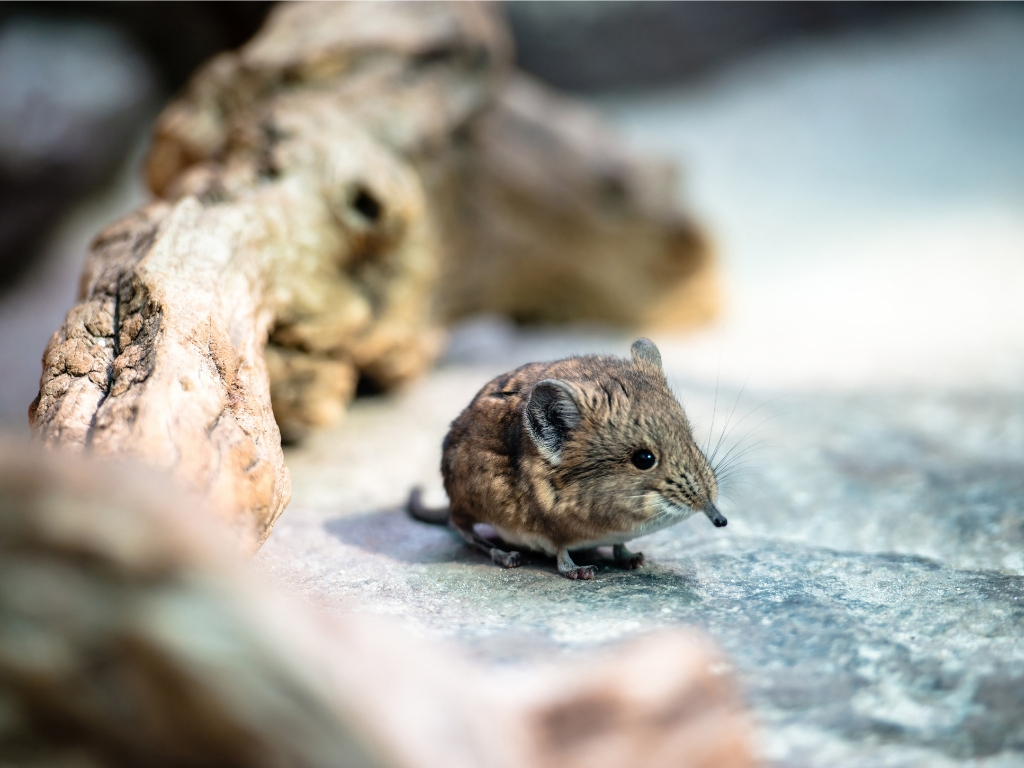 Meet one of the most adorable of all the Living Fossil species, the Elephant shrew, Macroscelides proboscideus, one of 15 species of this order. These small, quadrupedal, insectivorous mammals strongly resemble rodents or opossums with their scaly tails, elongated snouts, and rather longish legs.