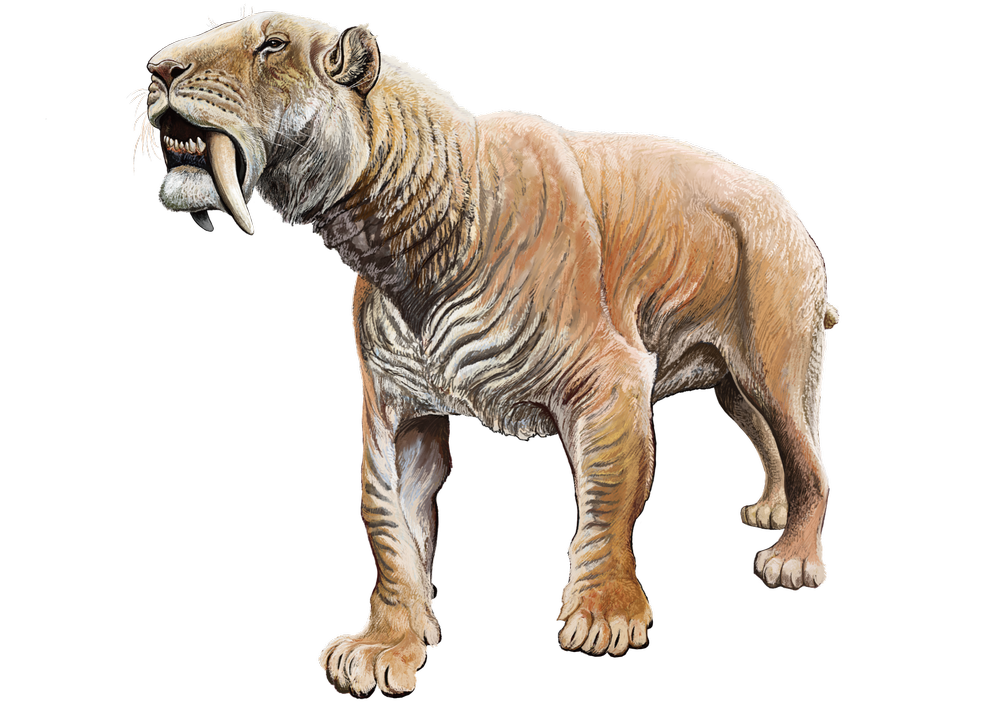
 Smilodon North of the 49th Parallel
The fierce predator Smilodon fatalis — a compact but robust killer that weighed in around...
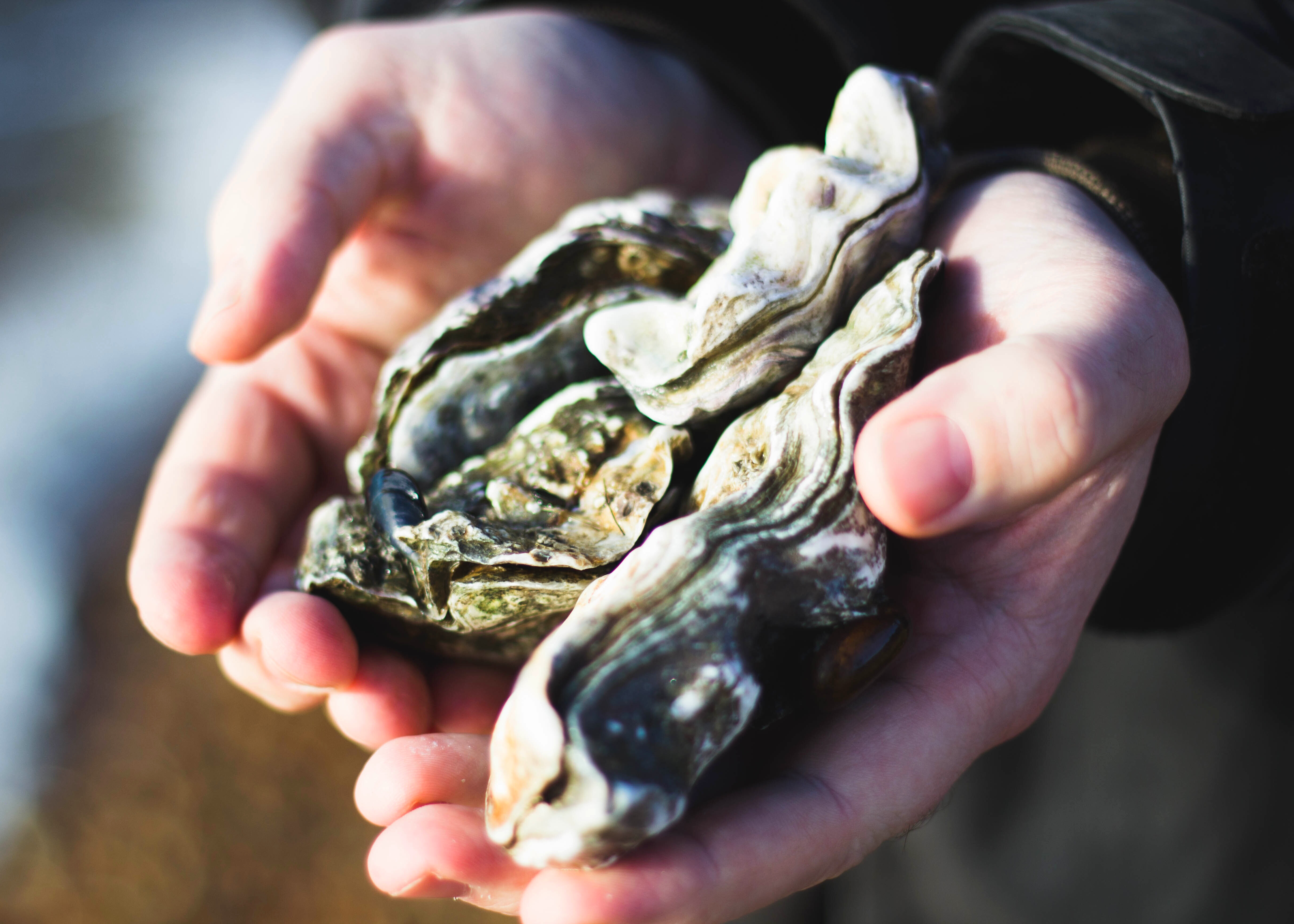 First Nation Shell Middens And True Oysters
One of the now rare species of oysters in the Pacific Northwest is the Olympia oyster, Ostrea lurida...
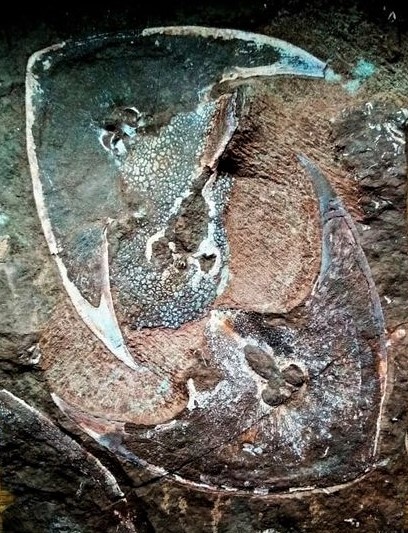 Zenaspis: Lower Devonian Bony Fish Of Podolia, Ukraine
A Devonian bony fish mortality plate showing a lower shield of Zenaspis podolica (Lankester, 1869)...
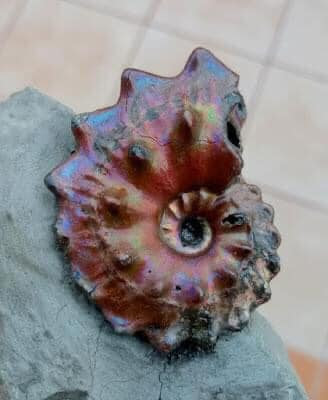 Oil in Water Beauty: Euhoplites of Folkstone
Sheer beauty — a beautiful Euhoplites ammonite from Folkstone, UK. These lovelies have a pleasing...
       |
Heidi Henderson Musings in Natural History—meant to captivate, educate and inspire. |
Blogroll |

 A beautiful specimen of the ammonite, Anahoplites planus (Mantell, 1822) from Albian deposits in Courcelles-sur-Voire, Aube, north-central France. Anahoplites (Sowerby, 1815) is a genus of compressed hoplitid ammonites with flat sides, narrow, flat or grooved venters, and flexious ribs or striae arising from weak umbilical tubercles that end in fine dense ventrolateral nodes.
 An exquisite fossil specimen of an Eusthenopteron Fordi from the upper Devonian (Frasnian), Eescuminac Formation, Miguasha Park, Bay of Heat, Gaspé, Quebec, Canadian Museum of Natural History, Miguasha Collection.
 This fossil specimen of the fruit of the lotus, Nelumbo, was found by Green River Stone (GRS) in early Eocene outcrops of the Fossil Lake Member of the Green River Formation. The awesome possums from GRS are based out of North Logan, Utah, USA and have unearthed some world-class specimens. They've found Nelumbo leaves over the years but this is their first fossil specimen of the fruit.