

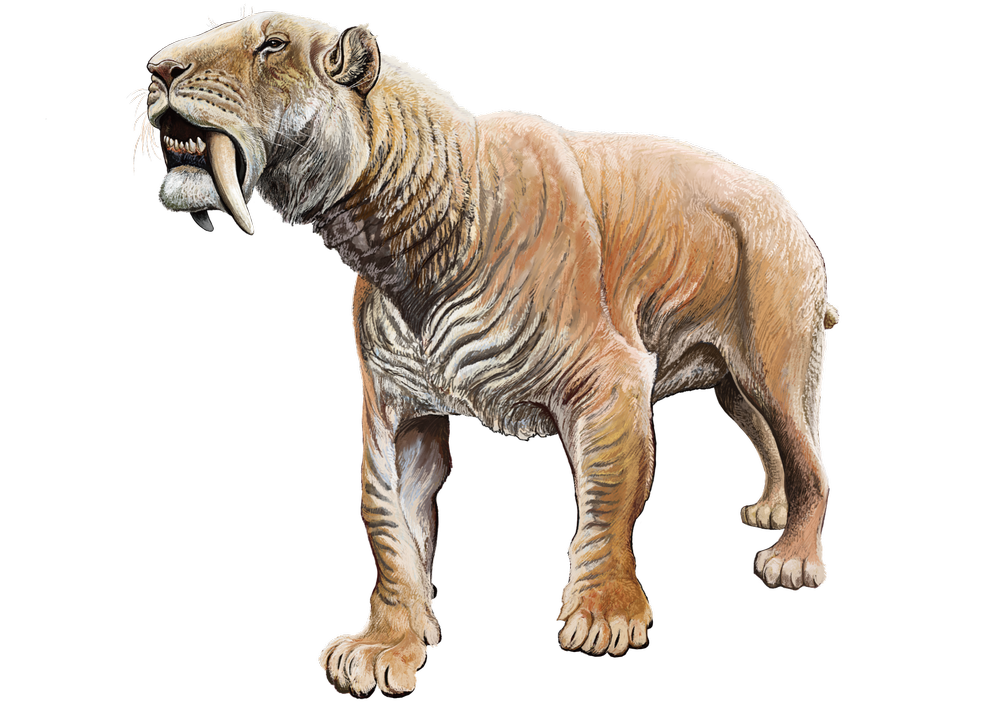
 Smilodon North of the 49th Parallel
The fierce predator Smilodon fatalis — a compact but robust killer that weighed in around...
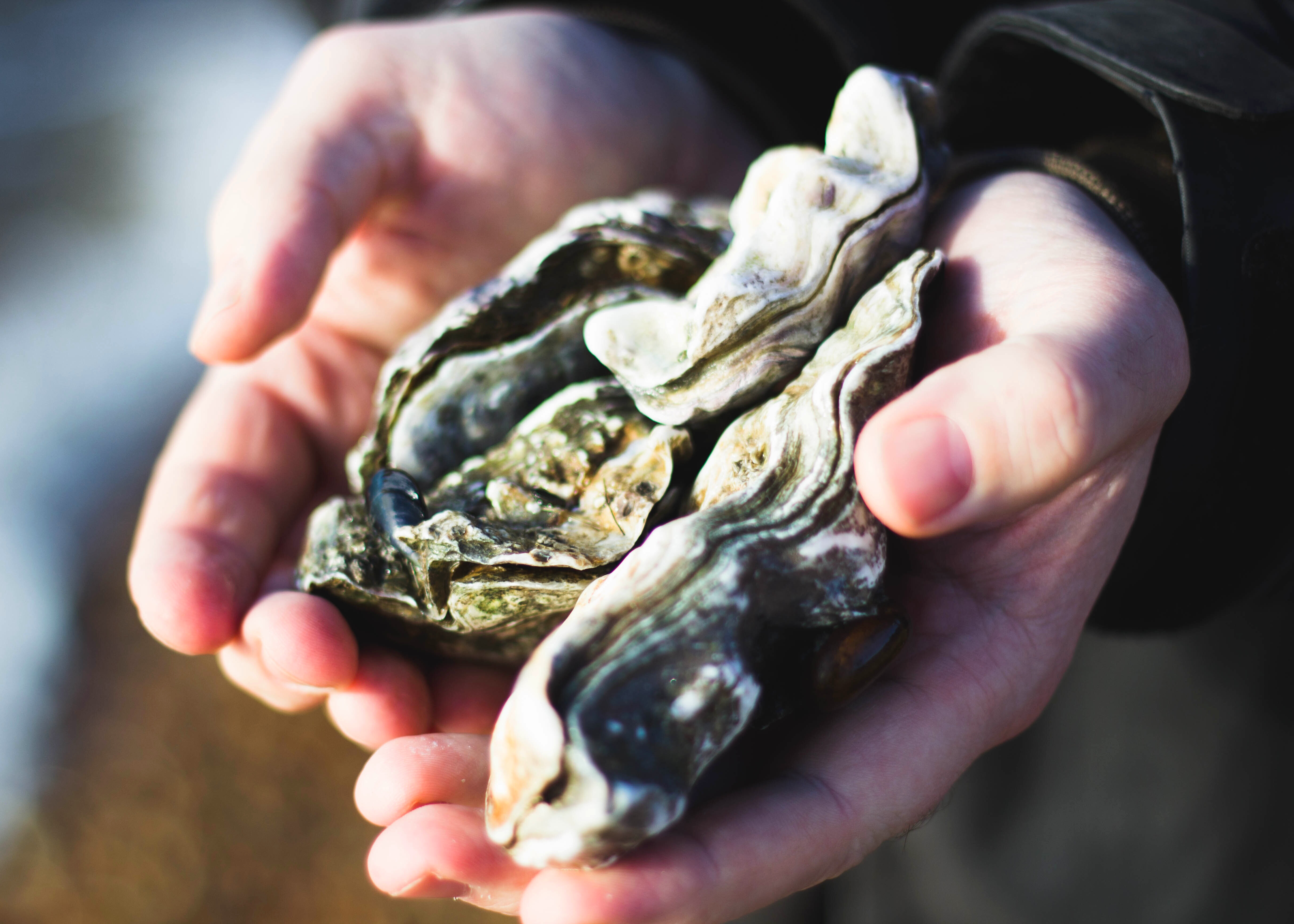 First Nation Shell Middens And True Oysters
One of the now rare species of oysters in the Pacific Northwest is the Olympia oyster, Ostrea lurida...
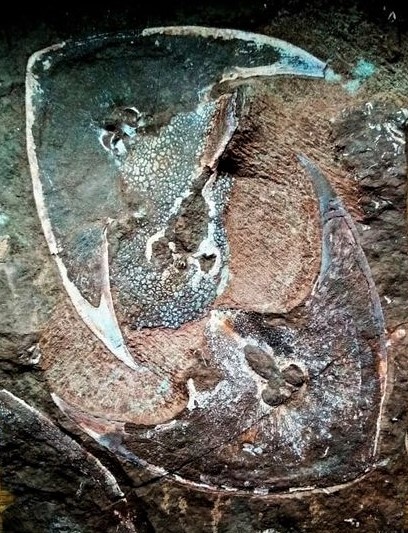 Zenaspis: Lower Devonian Bony Fish Of Podolia, Ukraine
A Devonian bony fish mortality plate showing a lower shield of Zenaspis podolica (Lankester, 1869)...
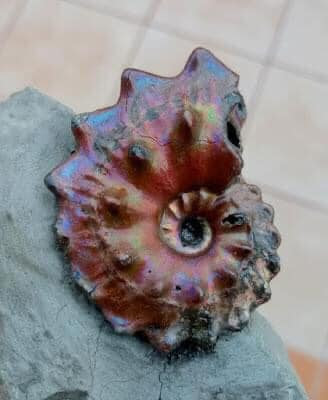 Oil in Water Beauty: Euhoplites of Folkstone
Sheer beauty — a beautiful Euhoplites ammonite from Folkstone, UK. These lovelies have a pleasing...
       |
Heidi Henderson Musings in Natural History—meant to captivate, educate and inspire. |
Blogroll |

 This lovely specimen of Oncorhynchus nerka, a Pleistocene Sockeye Salmon, is from outcrops along the South Fork Skokomish River, Olympic Peninsula, Washington State, USA.
 This exceptionally well-preserved crinoid, Delgadocrinus oportovinum, was found on October 11, 1905, by Nery Delgado during his work mapping the geology and paleontology of Portugal.
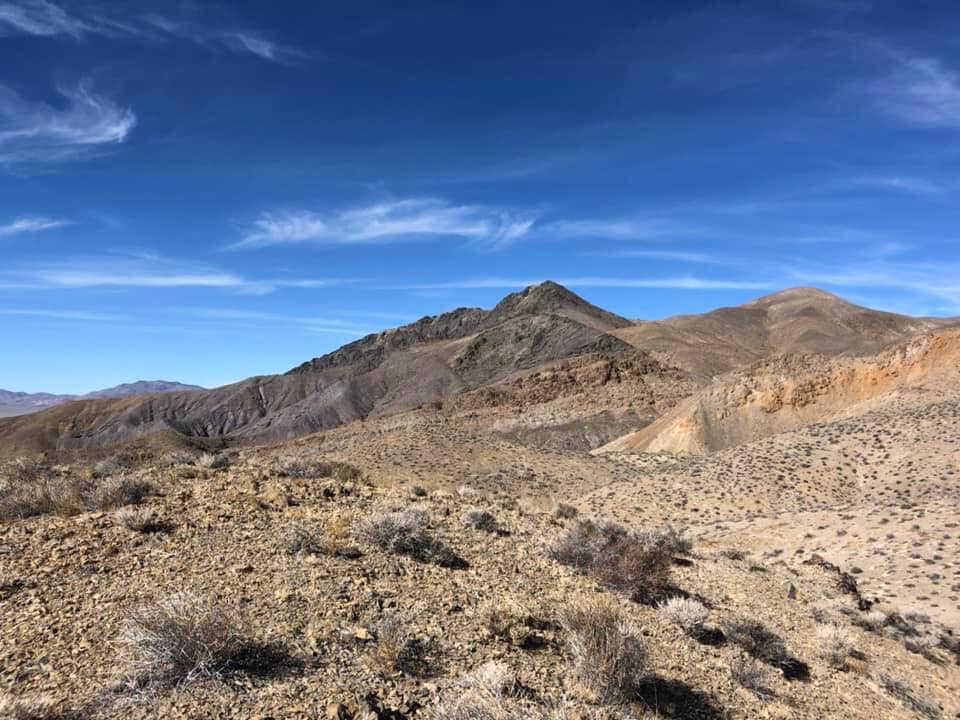 Ferguson Hill contains the most complete macrofossil record spanning the Triassic-Jurassic boundary in North America. The ammonoids from the uppermost Triassic can be traced to the boundary and the earliest ammonites (Psiloceratids) can be seen right at the base of the Jurassic.
 Cuticular structure in a Late Maastrichtian crab, Costacopluma mexicana, from deposits near the town of from near Paredón, Ramos Arizpe in what is now southern Coahuila (formerly Coahuila de Zaragoza), north-eastern Mexico. We see this same species in the Upper Cretaceous Moyenne of Northeast Morocco and from the Pacific slope, Paleocene of California, USA. This beauty is in the collection of José F. Ventura.
 Diabetes mellitus and cardiovascular diseases are challenging medical and social problems. Patients with diabetes mellitus are at a higher risk of developing vascular dysfunction and hypertension. Cumulative evidence suggests that oxidative stress may play a key role in the development of diseases.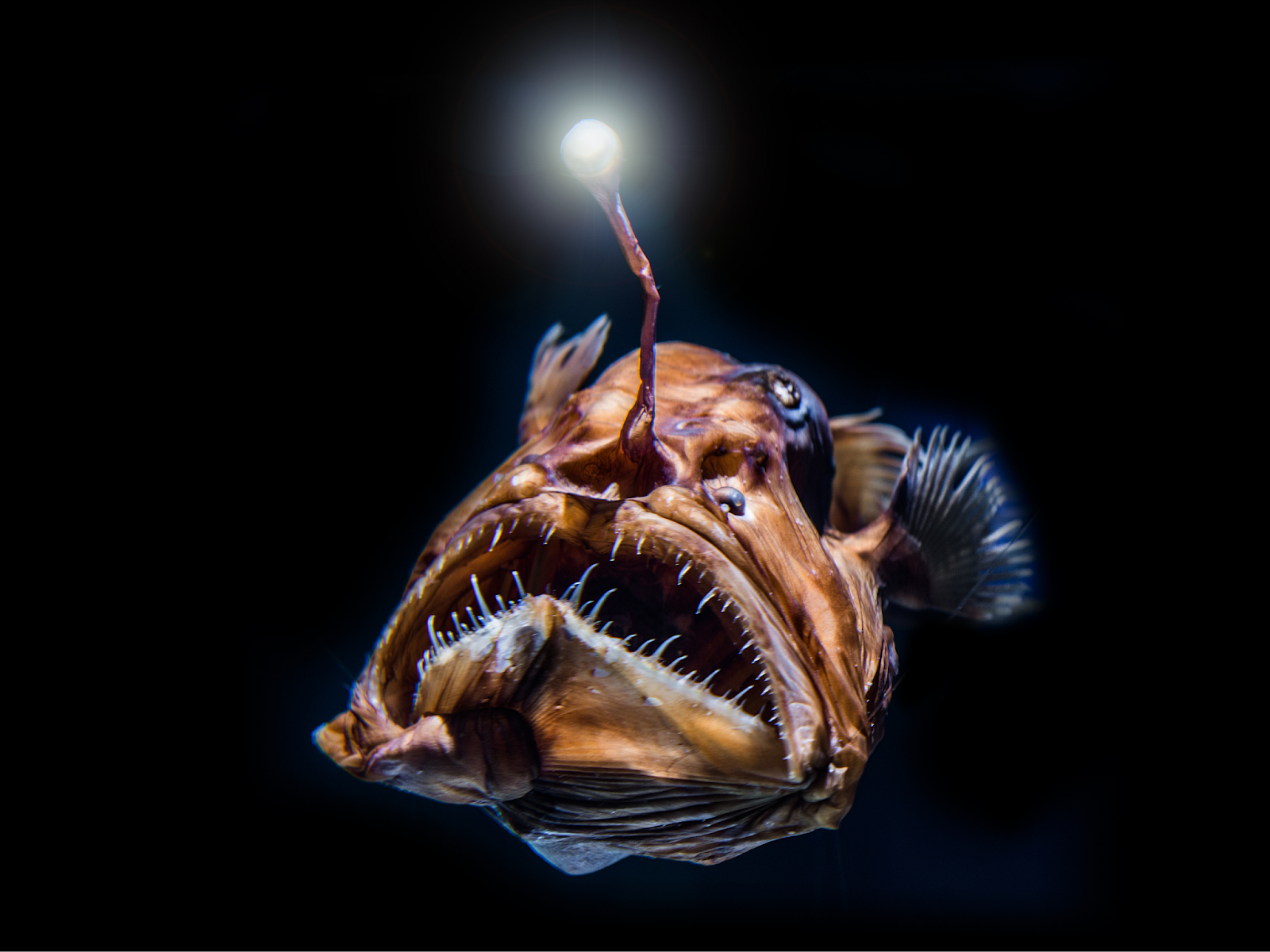
 The festive lassie you see here is an Anglerfish. They always look to be celebrating a birthday of some kind, albeit solo. This party is happening deep in our oceans right now.

