
Banner
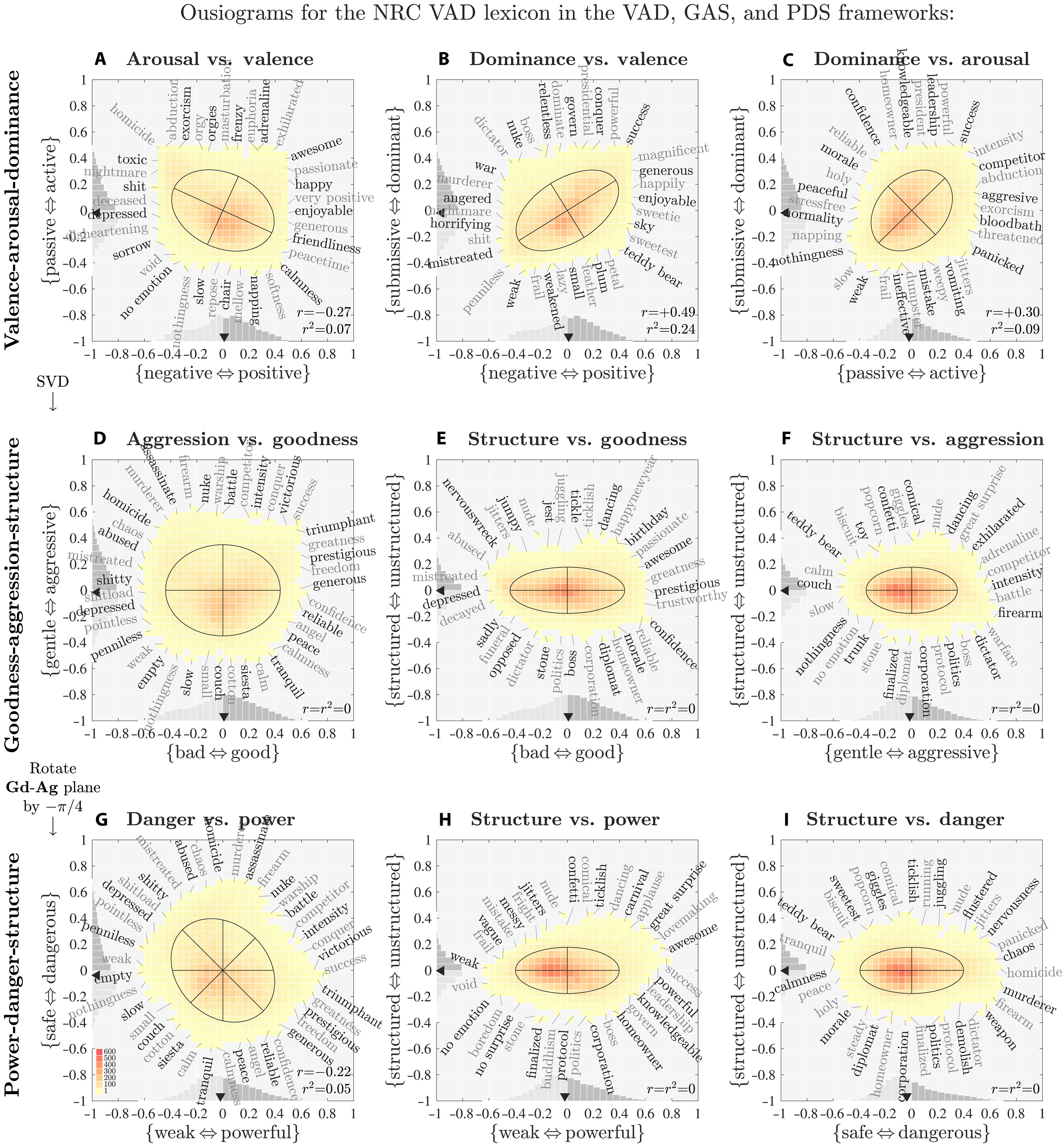
Ousiometrics Analysis Says All Human Language Is Biased

A new tool drawing on billions of uses of more than 20,000 words and diverse real-world texts claims...

Wavelengths Of Light Are Why CO2 Cools The Upper Atmosphere But Warms Earth

There are concerns about projected warming on the Earth’s surface and in the lower atmosphere...

Here's Where Your Backyard Was 300 Million Years Ago

We may use terms like "grounded" and terra firma to mean stability and consistency but geology...

Convergent Evolution Cheat Sheet Now 120 Million Years Old

One tenet of natural selection is a random walk of genes but nature may be more predictable than...

User picture.
News StaffRSS Feed of this column.

News Releases From All Over The World, Right To You... Read More »

Blogroll

The home team holds the advantage over visitors, at least in the plant world, but a handful of genetic adaptations could even the playing field, according to a new paper.

Genetic tradeoffs, in part, explain the rich diversity of species on earth. If all plants could perform well in all climates, the world would have similar flora from the poles to the Equator. Trade-offs, however, such as protection from freezing temperatures in exchange for growing larger, must be made by plants, limiting the regions where they can flourish.

Blood clots may be a good thing - at least in protecting the body from the deadly effects of bacteria by absorbing bacterial toxins, according to a new paper in PLoS ONE.

Even with modern antibiotics, septic shock from bacterial infections afflicts about 300,000 people a year in the U.S., with a mortality rate of 30 to 50 percent. Septic shock is caused by Gram-negative bacteria, which release a toxin called lipopolysaccharide or endotoxin. In small amounts, lipopolysaccharide triggers inflammation. When infections with these bacteria get out of hand, lipopolysaccharide courses through the bloodstream, causing catastrophic damage to organs and tissues.

Some papers say that meditation can have beneficial health effects, and that makes sense, but a new paper claiming evidence of specific molecular changes in the body following a period of mindfulness meditation is likely the first of its kind.

The scholars investigated the effects of a day of intensive mindfulness practice in a group of experienced meditators, compared to a group of untrained control subjects who engaged in quiet non-meditative activities. After eight hours of mindfulness practice, the meditators showed a range of genetic and molecular differences, including altered levels of gene-regulating machinery and reduced levels of pro-inflammatory genes, which in turn correlated with faster physical recovery from a stressful situation. 


Peer-reviewed articles are taking off on Twitter - whether or not people have read them is another story.

But someone read them during peer review so more exposure is good even if, in the case of legacy journals, people can only read the abstract.

Visit a museum these days and you'll see people using their smartphones and cameras to take pictures of works of art, archeological finds, historical artifacts, and every other object and most of them will never be looked at again. Even worse, while taking a picture might seem like a good way to preserve the moment, new research suggests the opposite actually happens.

In a new paper, psychologist Linda Henkel of Fairfield University presents data showing that participants had worse memory for objects, and for specific object details, when they took photos of them.





