Banner
Pilot Study: Fibromyalgia Fatigue Improved By TENS Therapy

Fibromyalgia is the term for a poorly-understood condition where people experience pain and fatigue...

High Meat Consumption Linked To Lower Dementia Risk

Older people who eat large amounts of meat have a lower risk of dementia and cognitive decline...

Long Before The Inca Colonized Peru, Natives Had A Thriving Trade Network

A new DNA analysis reveals that long before the Incan Empire took over Peru, animals were...

Mesolithic People Had Meals With More Tradition Than You Thought

The common imagery of prehistoric people is either rooting through dirt for grubs and picking berries...

User picture.
News StaffRSS Feed of this column.

News Releases From All Over The World, Right To You... Read More »

Blogroll

Marine bacteria come almost a billion to a cup. Until recently, however, little has been known about how these minute creatures live or what they need to flourish.

New research led by a marine microbial ecologist at the University of Georgia is showing for the first time that the roles played by bacteria in coastal waters aren’t nearly as specific as some scientists suspected.

Once considered rare, mitochondrial diseases are now thought to affect as many as one person in 5,000. New research in this area hopes to open up more opportunities for predicting a child's risk of developing a mitochondrial disease which can cause muscle weakness, diabetes, strokes, heart failure and epilepsy.

All human and animal cells contain many mitochondria, which are involved in energy production within the body. Mitochondria have their own genetic information, known as mitochondrial DNA, or mtDNA, which is inherited.

The newly discovered asteroid 2007 TU24 is passing within 1.4 lunar distances, or 334,000 miles, of Earth today.

The asteroid, estimated at between 150 and 600 meters in diameter, was discovered by the University of Arizona’s Catalina Sky Survey in October 2007. It poses no threat to Earth, but its near approach gives astronomers a golden opportunity to learn more about potentially hazardous near-Earth objects. And conspiracy theorists a chance to speculate on NASA.

Some people are genuinely concerned about this asteroid causing an End of Life event on Earth. Not to worry.

A University of Rochester scientist discovered that the toxins in cigarette smoke wipe out a gene that plays a vital role in protecting the body from the effects of premature aging. Without this gene we not only lose a bit of youthfulness – but the lungs are left open to destructive inflammation and diseases such as chronic obstructive pulmonary disease (COPD) and lung cancer.

By identifying the Sirtuin (SIRT1) gene’s role in pulmonary disease, scientists also hope to find ways to restore it and jump-start lung healing. They’ve begun testing the powerful antioxidant resveratrol, which is extracted from red grape skins, to develop a treatment to target SIRT1 and reverse lung damage, or at least enhance the way standard COPD therapies work.

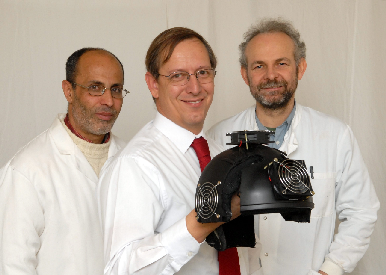
Pioneering research at the University of Sunderland has shown that regular exposure to safe low level infra-red light can improve learning performance and kick-start the cognitive function of the brain.

The results are a scientific breakthrough as to date medical treatments for dementia can only slow down brain deterioration and now human trials are to start to see if the treatment could provide a cure to illnesses like Alzheimers.

Independent research carried out at Sunderland has demonstrated that low power infra-red (1072nm) can improve the learning performance. The low levels of infra-red light used are completely safe and occur naturally in sunlight.

In transportation, road traffic contributes the most to global warming, aviation is second, railways are negligible and shipping actually has a net cooling effect on the earth’s climate, according to a study published recently.

But we can't simply switch to shipping and cure global warming. Shipping emits large portions of SO2 and NOx, which both have cooling effects, but this effect will diminish as the gases don’t live long in the atmosphere. After a few decades, the long-lived CO2 will dominate, giving shipping a warming effect in the long run.