Banner
Pilot Study: Fibromyalgia Fatigue Improved By TENS Therapy

Fibromyalgia is the term for a poorly-understood condition where people experience pain and fatigue...

High Meat Consumption Linked To Lower Dementia Risk

Older people who eat large amounts of meat have a lower risk of dementia and cognitive decline...

Long Before The Inca Colonized Peru, Natives Had A Thriving Trade Network

A new DNA analysis reveals that long before the Incan Empire took over Peru, animals were...

Mesolithic People Had Meals With More Tradition Than You Thought

The common imagery of prehistoric people is either rooting through dirt for grubs and picking berries...

User picture.
News StaffRSS Feed of this column.

News Releases From All Over The World, Right To You... Read More »

Blogroll

Researchers in Agricultural and Food Chemistry are reporting impressive new evidence that eating broccoli may protect against heart disease.

Researchers have known for years that broccoli is a rich source of antioxidants, vitamins, and fiber that may protect against cancer, Dipak K. Das and colleagues note. Other studies also suggest that broccoli may benefit the heart, although scientists do not know how it works.

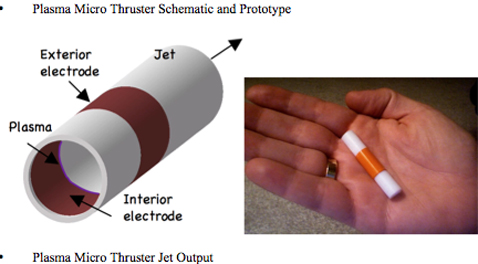
Oklahoma State researchers are developing a state-of-the-art propulsion system for the United States Defense Advanced Research Projects Agency.

If successful, the propulsion system will be featured in sophisticated unmanned aircraft small enough to fit into a soldier’s pocket.

“What we want the infantrymen to be able to do is pull a pack of six or so out of their pocket and have them ready for use,” Jamey Jacob, an associate professor of mechanical and aerospace engineering, said. The aircraft would be used for surveillance purposes and allow soldiers to inspect hostile areas before moving through them.


Credit: Oklahoma State University

An international consortium of scientists has identified multiple genes that are linked to systemic lupus erythematosus, a devastating autoimmune disease that affects between 1 million and 2 million Americans. Reporting in Nature Genetics, the scientists also confirmed earlier findings linking lupus to several other genes – highlighting the role that genetics plays in the disease.

“These findings underscore that numerous genes, which are often immune-function related, contribute to the risk of developing lupus,” said Carl D. Langefeld, Ph.D., senior author from Wake Forest University School of Medicine and co-director of the International Consortium for Systemic Lupus Erythematosus Genetics (www.SLEGEN.org).

Friendships are an important part of developing social skills and cultural confidence but when antisocial teenagers interacted closely with each other and spent their time discussing such things as substance abuse or breaking the law, they tended to later engage in problem behavior, according to University of Oregon researchers.

For their study, the researchers videotaped 16- and 17-year-olds as they interacted with close friends. The UO team was seeking to find mechanisms behind the idea that antisocial behavior is predictable based on the behavior of peers.

A new study by the Kaiser Permanente Division of Research says that women should avoid caffeine during the first trimester of pregnancy - caffeine equivalent to two cups of coffee per day was linked to a doubled risk of miscarriage compared to women who had no caffeine.

The study controlled, for the first time, pregnancy-related symptoms of nausea, vomiting and caffeine aversion that tended to interfere with the determination of caffeine’s true effect on miscarriage risk. The research appears in the current online issue of American Journal of Obstetrics and Gynecology.

Plasticity, the brain's ability to change in response to its environment, is at the heart of learning. After being awake, your brain needs sleep to refresh, research says.

A new theory from University of Wisconsin-Madison researchers Dr. Chiara Cirelli, associate professor of psychiatry, and Dr. Giulio Tononi, professor of psychiatry, called the synaptic homeostasis hypothesis, runs against the grain of what many scientists currently think about how sleep affects learning. The most popular notion these days, says Cirelli, is that during sleep synapses are hard at work replaying the information acquired during the previous waking hours, consolidating that information by becoming even stronger.