Tommaso Dorigo is an experimental particle physicist, who works for the INFN at the University of Padova, and collaborates with the CMS and the SWGO experiments. He is the president of the Read More »
Last November 12 the city of Venice was flooded by the second-highest tide in recorded history. The sea level, pushed by 60 mph SE winds and intense rainfalls, surged to +187 cm above average, a mere 7cm less than the disastrous event of November 4 1966, which put the city and its surroundings to their knees.
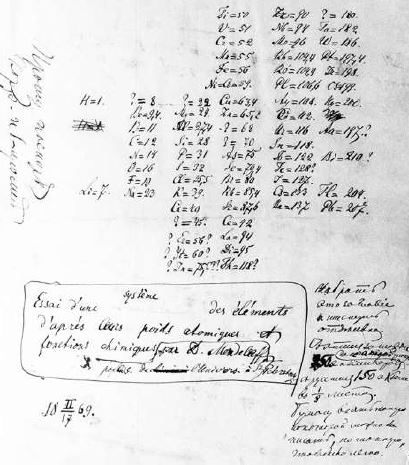
This year marks the 150th anniversary of the Periodic Table of Elements, whose inventor is Dmitrii Mendeleev, a Russian physicist who is famous for that achievement but who actually gave enormous contributions to Physics in a number of different areas of experimental research. It is also well known, but actually a misconception, that Mendeleev "invented" the correct recipe for the Russian national drink, vodka. In fact, he studied the mixture of water and alcohol in detail, discovering several of its interesting properties, but vodka was appreciated before him, as it did after.
Living in an organized society means we usually abide by unwritten rules of conduct, in addition to avoiding breaking state laws. We can then rely on order to prevail over chaos, kindness to overpower selfishness, and the common good to be an achievable goal. But the way each of us interprets their own script in this comedy we call life shows a significantly wide range of behaviours. The extrema of the spectrum are populated at one end by individuals who always try to game the system for their own benefit, without any consideration for the damage they cause to others; and at the other end by kind souls who enjoy giving rather than taking, and to raise a smile rather than gaining a dime.
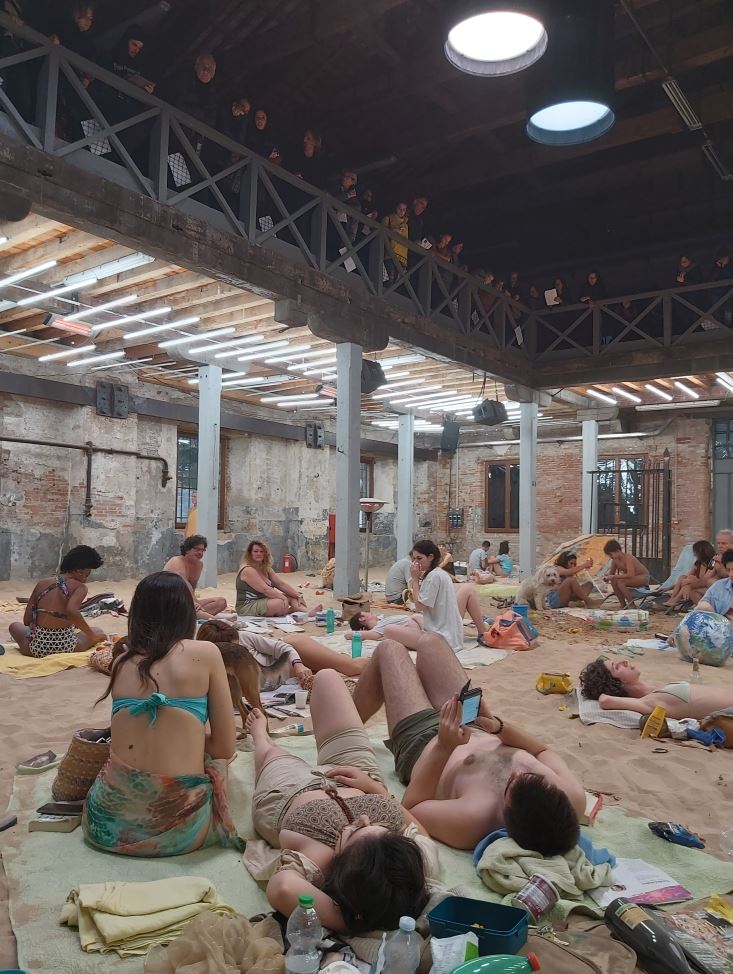
Every two years the Biennale, a contemporary art exhibition, opens in Venice from May to November. This is one of the most important events of its kind, and it attract millions of visitors to a garden that contains a few dozen different pavillions, each hosting artwork from a different country. Over fifty more such independent museums are scattered around the city center and are free entry - these are even more fun to visit than the main exposition at the "Giardini della Biennale", as they allow visitors to visit the spaces themselves, often old houses or palaces that are otherwise unaccessible.
If you have a minute to spend watching something really cool, why not having a look at the completion of the installment of GEM detectors in the CMS experiment at the CERN Large Hadron Collider, ***RIGHT NOW*** (6PM CEST Oct 24th) ?
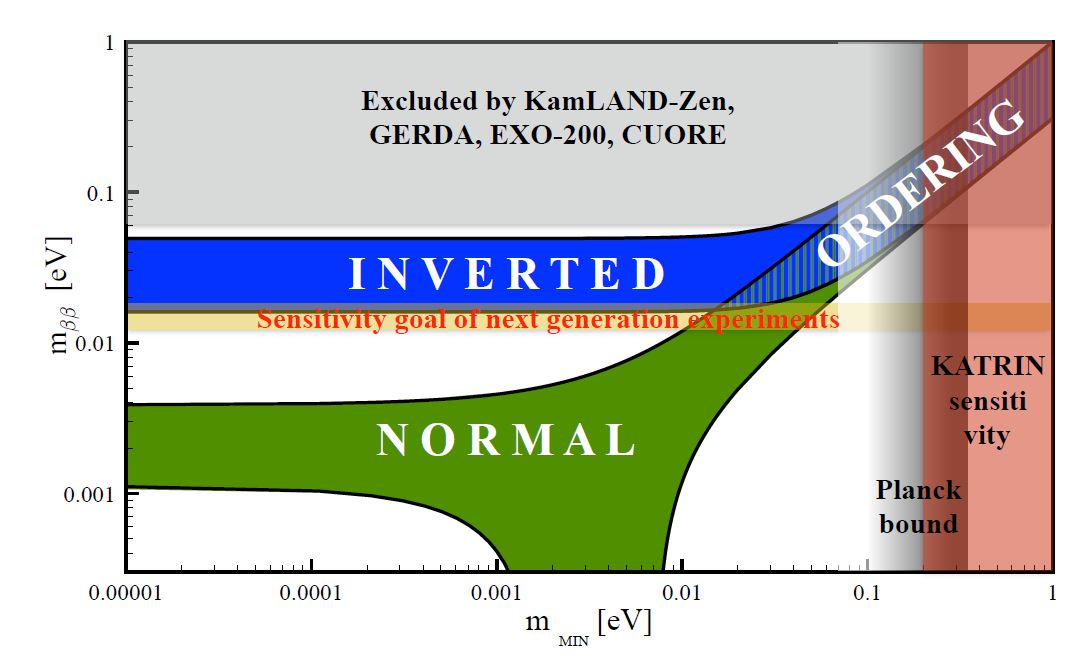
The most recent preprint in the ArXiv this evening is an APPEC report on the neutrinoless double beta decay. This is the thick result of a survey of the state of the art in the search for a very (very) rare subnuclear process, which can shed light on the nature of the mass hierarchy of neutrinos. Oh, and, APPEC stands for "AstroParticle Physics European Consortium", in case you wondered.


 Travel With Two Infants
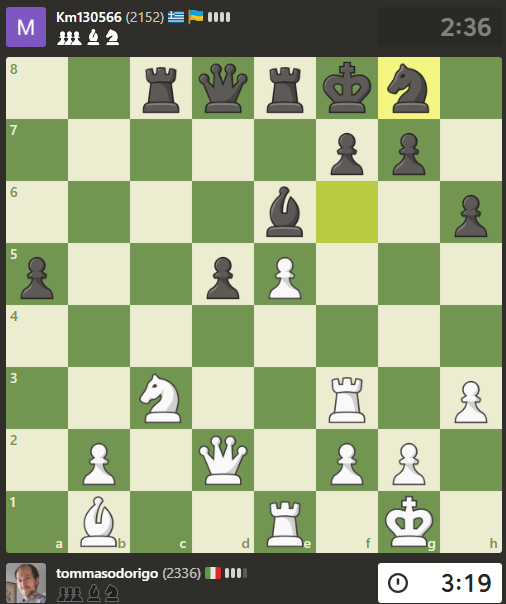 A Nice Little Combination
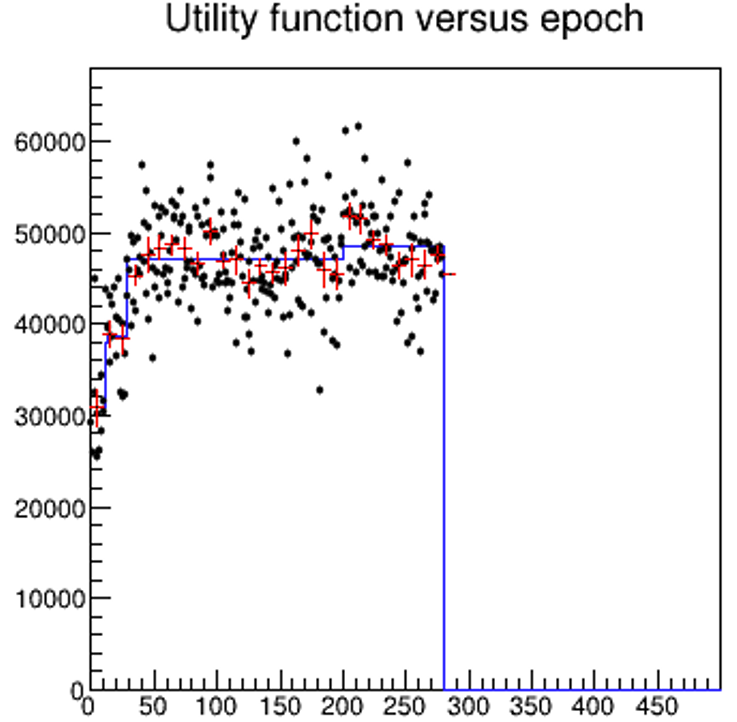 The Strange Case Of The Monotonous Running Average
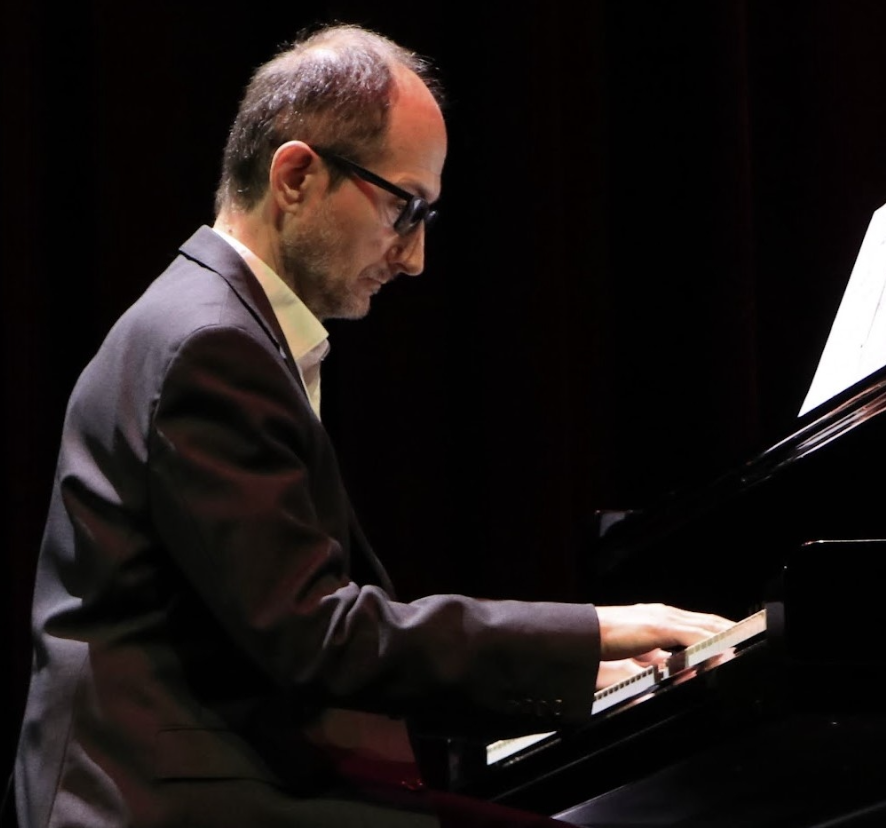 Turning 60