I am reading a fun paper today, while traveling back home. I spent the past three days at CERN to follow a workshop on machine learning, where I also presented the Anomaly Detection algorithm I have been working on in the past few weeks (and about which I blogged
here and
here). This evening, I needed a work assignment to make my travel time productive, so why not reading some cool new research and blog about it?
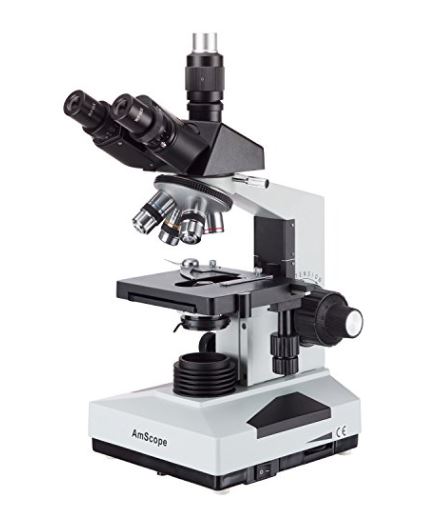
I have always been fascinated by optical instruments that provide magnified views of Nature: microscopes, binoculars, telescopes. As a child I badly wanted to watch the Moon, planets, and stars, and see as much detail as I could on all possible targets; at the same time, I avidly used a toy microscope to watch the microworld. So it is not a surprise to find out I have grown up into a particle physicist - I worked hard to put myself in a vantage position from where I can study the smallest building blocks of matter with the most powerful microscope ever constructed, the Large Hadron Collider (LHC).
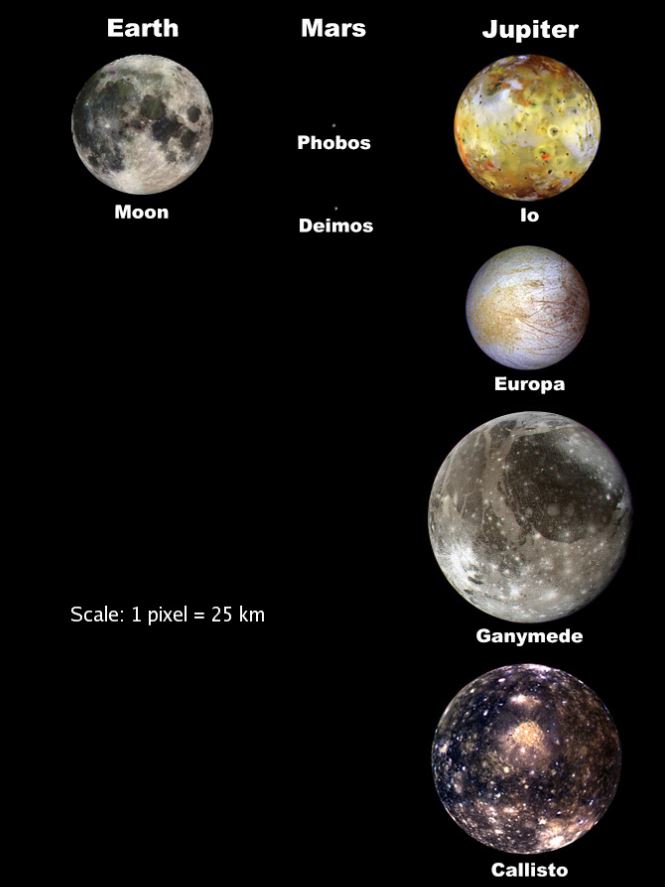
Last night I was absolutely mesmerized by observing the transit of Ganymede and Io, two of Jupiter's largest four moons, on Jupiter's disk. Along with them, their respective ink-black shadows slowly crossed the illuminated disk of the gas giant. The show lasted a few hours, and by observing it through a telescope I could see a three-dimensional view of the bodies, and appreciate the dynamics of that miniature planetary system.
In this post I wish to explain to you, dear reader, just why the whole thing is so fascinating and fantabulous to see, in the hope that, should you have a chance to observe it yourself, you grab the occasion without considering the lack of sleep it entails. I am sure you will thank me later.
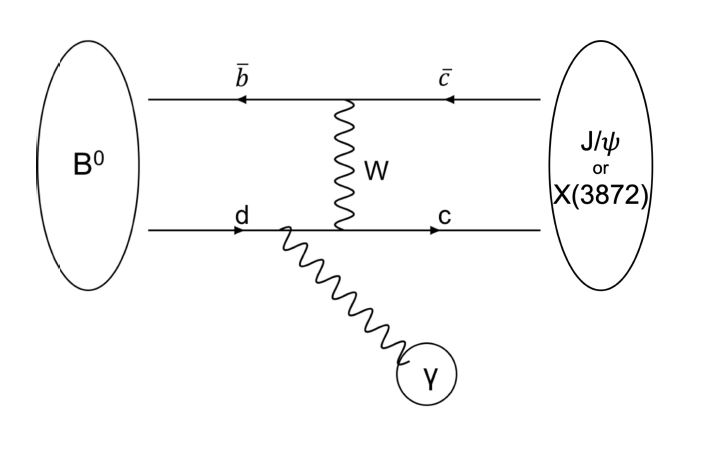
I know, the title of this article will not have you jump on your chair. Most probably, if you are reading these lines you are either terribly bored and in search of anything that can shake you from that state - but let me assure you that will not happen - or you are a freaking enthusiast of heavy flavour physics. In the latter case, you also probably do not need to read further. So why am I writing on anyway? Because I think physics is phun, and rare decays of heavy flavoured hadrons are interesting in their own right.
And there it starts. At a very important juncture for fundamental science,
physicists are gathering in Granada this week as part of a multi-pronged program that will lead to agreeing on what are the
priorities for particle physics in Europe. Given that particle physics is a global, collaborative endeavour nowadays, with experiments typically composed by thousands of physicists from all around the world, we can be sure that what will be agreed is going to shape the future years of this experimental discipline, as not only European projects are discussed, but more in general all projects to which European scientists contribute.
A few weeks ago
I posted here an idea of how one could design an algorithm that looks for new physics processes in Large Hadron Collider data, without giving the algorithm any knowledge whatsoever of how those new physics processes should behave.


 Choosing Your Bets: The Selection Bias
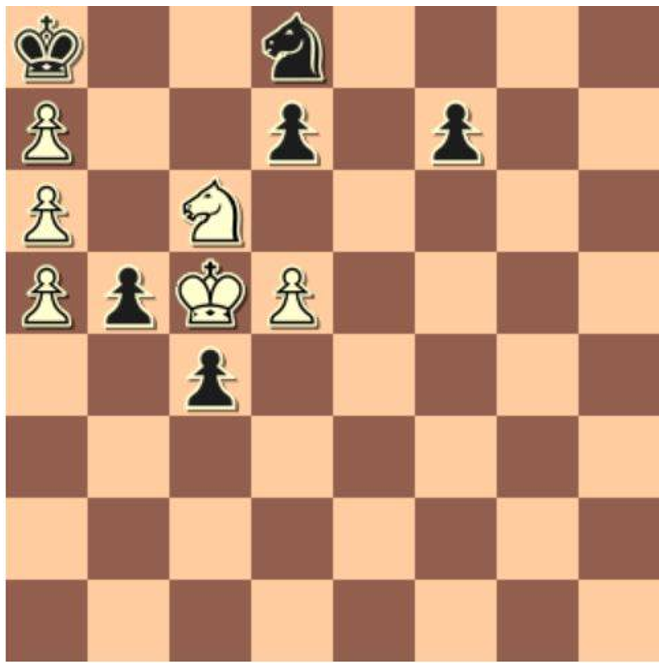 A Chess Study Requiring Backpropagation
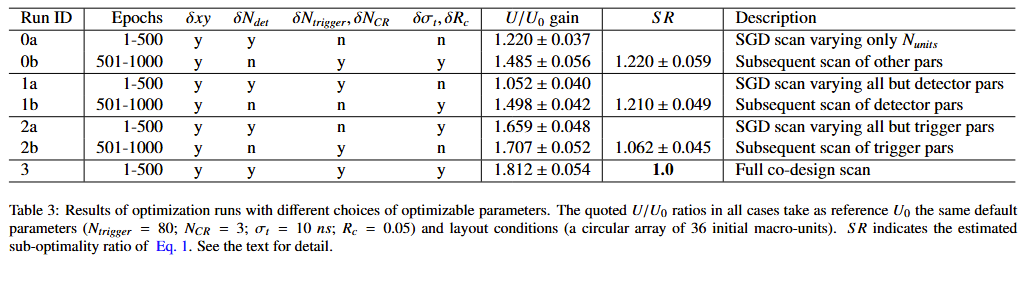 Co-Design Of Scientific Experiments