Yes, this is supposedly a particle physics blog, not a machine learning one - and yet, I have been finding myself blogging a lot more about machine learning than particle physics as of late. Why is that?
Well, of course the topic of algorithms that may dramatically improve our statistical inference from collider data is of course dear to my heart, and has been so since at least two decades (my first invention, the "inverse bagging" algorithm, is dated 1992, when nobody even knew what bagging was). But the more incidental reason is that now _everybody_ is interested in the topic, and that means all of my particle physics and astroparticle physics colleagues.
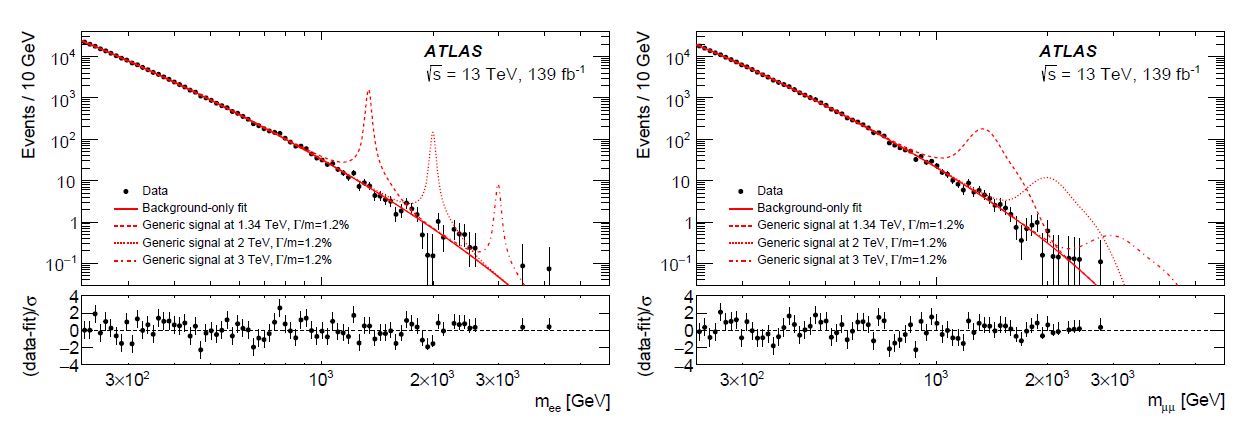
For the tenth anniversary of this blog being hosted by Science 2.0, which is coming in a few days, I decided to reinstall the habit I once had of weekly picking and commenting on a result from high-energy physics research, a series I called "The Plot Of The Week". These days I am busier than I used to be when this blog started being published here, so I am not sure I will be able to keep a weekly pace for this series; on the other hand I want to make an attempt, and the first step in that direction is this article.
Last Monday and Tuesday I gave a few lectures on Machine Learning at a Data Science school (IDPASC) in Braga, Portugal. I think that this topic has received so much attention in the last few years, with heaps of excellent resources now freely available online, that it is very difficult to be original and provide useful information to any student who is proactive enough to google "auto-encoders" by herself.
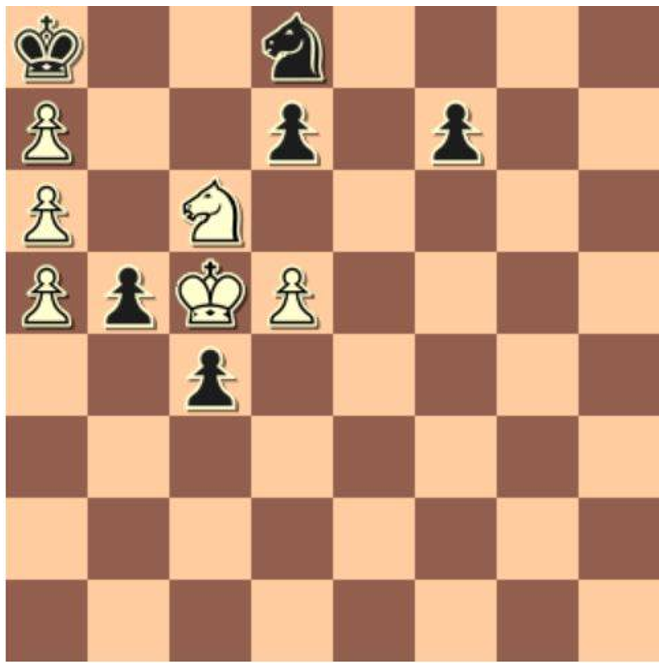
Update: a reader points out that a similar idea was already proposed and implemented in a commercial program. I'm glad to know this! (I would certainly not try to push my own implementation against a commercial product). I was however disappointed to see that the implementation, while perfectly acceptable from the point of view of quantum mechanics, is lacking in a few important ways from the chess logic point of view (some comments are in the thread below). Anyway, this is an example of a good idea coming too late...
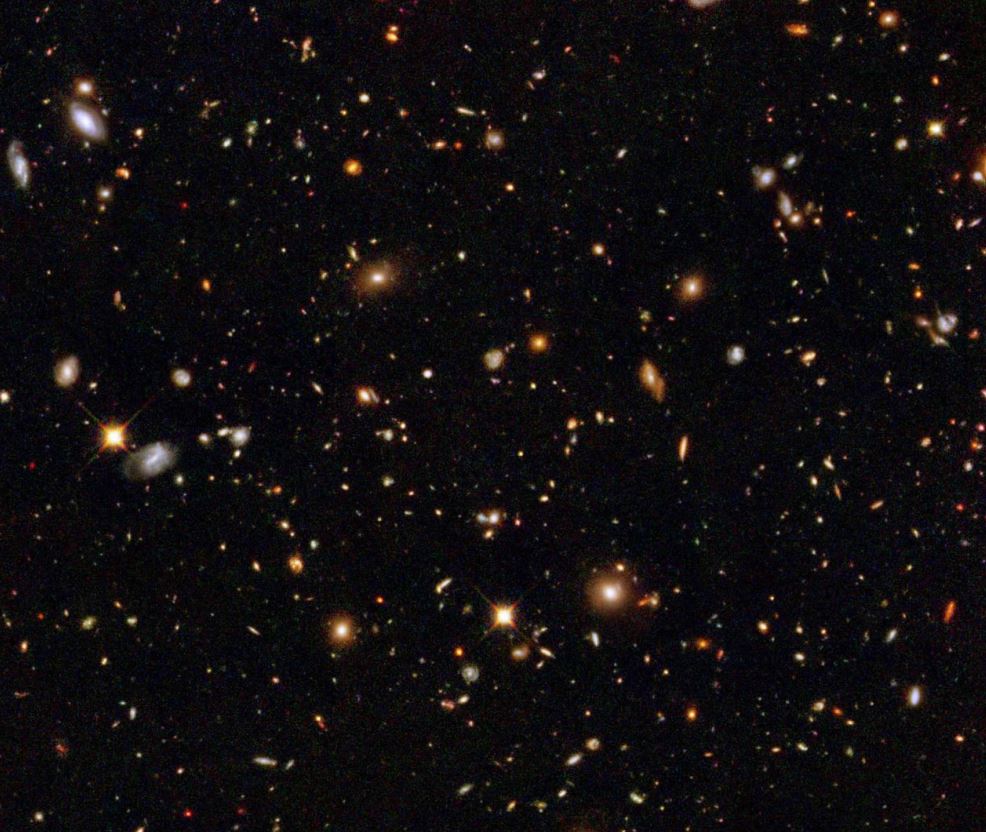
What is dark matter (DM)? This is one of the most pressing questions in fundamental science nowadays. We have observed that only one fifth of the matter that exists in the Universe clusters into stars and emits light - the rest appears to only interact gravitationally, producing phenomena we can study through the dynamics of galaxy rotation or by observing the deflection of light passing through it.
Nima Arkani-Hamed needs no introduction - he's a superstar theoretical physicist, and whenever he speaks, his colleagues listen - so much so that his seminars regularly overrun twice past their scheduled duration, without anybody blinking.
And today it's your lucky day (and mine), as you get to listen to a clear thinker explaining what really is the status of research in fundamental physics, and why it is actually extremely exciting, much to the discomfort of those who would prefer that public money were spent to reduce taxes (if you don't get the pun, please leave).