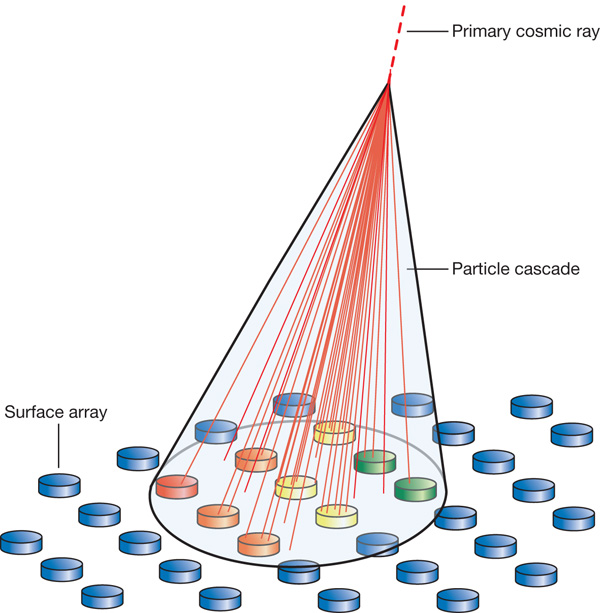
Nowadays we study the Universe using a number of probes and techniques. Over the course of the past 100 years we moved from barely using optical telescopes, that give us access to the flux of visible photons from galaxies, supernovae, and other objects of interest, to exploiting photons of any energy - gamma rays, x rays, ultraviolet and infrared radiation, microwaves; and then also using charged cosmic radiation (including protons and light nuclei, electrons and positrons), neutrinos, and lastly, gravitational waves.
Earlier this year I mentioned
here that I would be writing an article on how the utility function of experiments in fundamental science could be specified, as an enabling step toward the formalization of a co-design optimization problem. Now, as the deadline for submission approaches and the clock keeps ticking, I am returning to this topic and am mulling over the matter, so I thought it would be appropriate to dump here a few thoughts on the matter.
Co-design
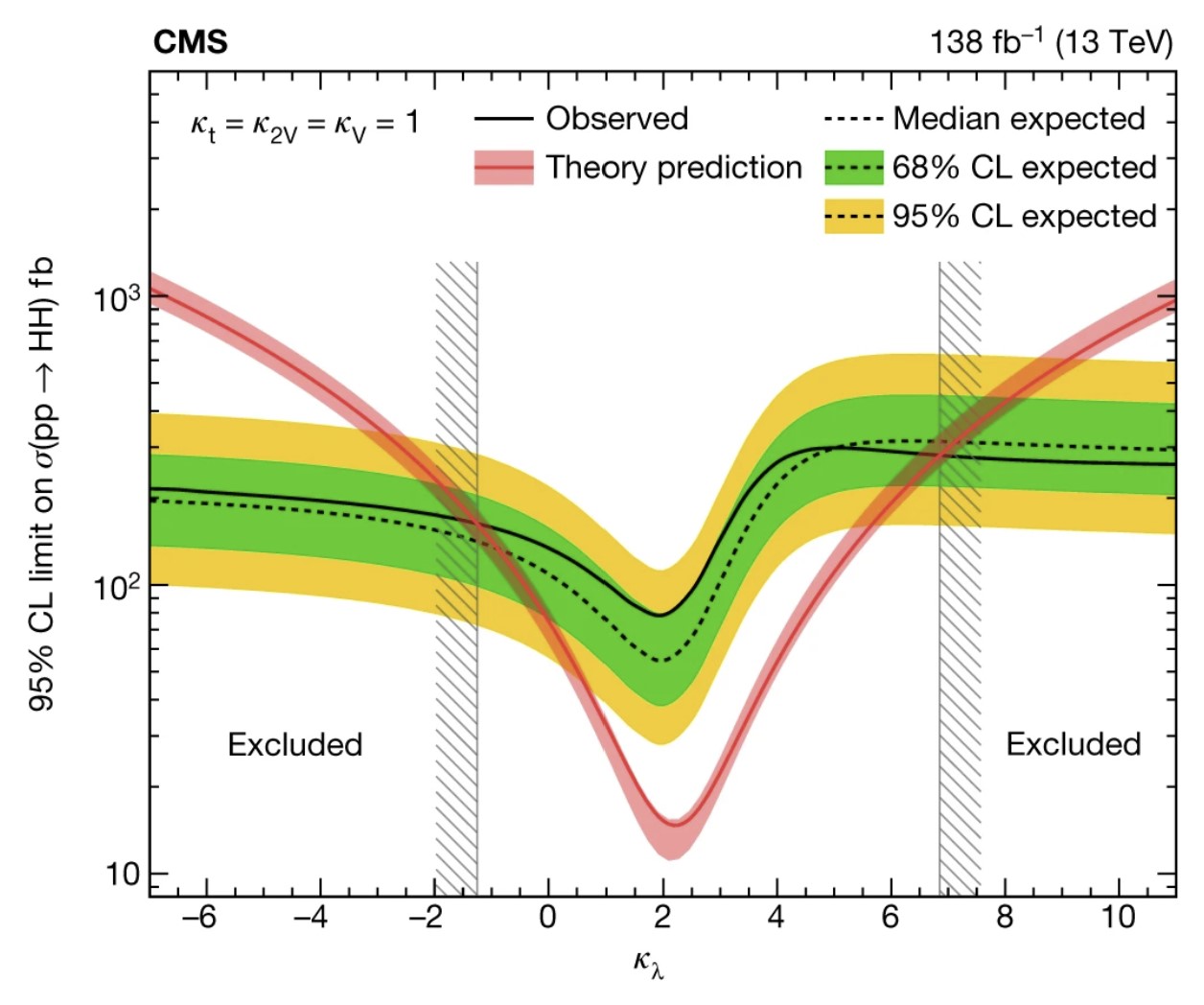
I recently got engaged in a conversation with a famous retired mathematician / cosmologist about the phenomenology of Higgs bosons in the Standard Model of particle physics, and very soon we ended up discussing a graph produced by the CMS collaboration at the CERN Large Hadron Collider, which details the result of searches of Higgs boson pairs in proton-proton collisions data.
The conversation -and in particular the trouble I had in making sense of the graph with my interlocutor- clarified to me that the way we present those graphs, which summarize our results and should speak by themselves, is confusing to say the least. Indeed, one needs to be briefed extensively before one can fully understand what the various elements of the graphs mean.
Last week I was in Valencia, to attend the
fourth MODE Workshop on Differentiable Programming for Experiment Design. It was a great meeting, with 80 participants eager to discuss their latest results in application of complex deep neural network models and similar concoctions to problems in fundamental science.
Of particular significance is the fact that the average age of the participants was somewhere between 25 and 30 years. In my opening speech I made the point that given the downward trend of that number, soon we will be running a kindergarden. But nobody laughed - these kiddos are serious about machine learning, and they showed it with the excellent quality of the material they presented.
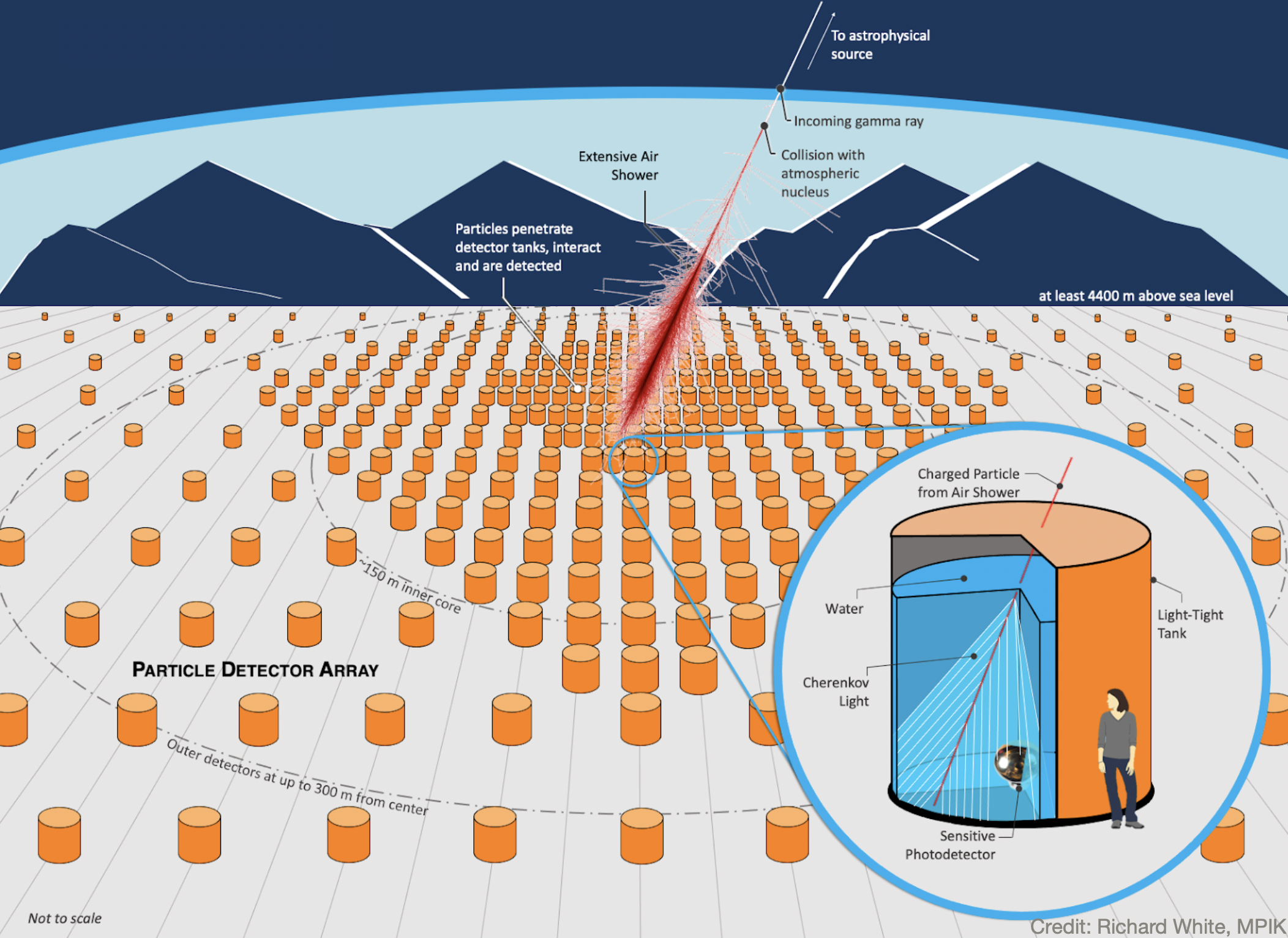
The SWGO Collaboration (SWGO stands for Southern Wide-Field Gamma Observatory) met this week in Heidelberg, hosted by the Max Planck Institute for Nuclear Physics (MPIK) to discuss progress in the many activities that its members are carrying forward to prepare for the finalization of the design of the observatory and the following construction phase.
As a member of the collaboration I could learn of many new developments in detail, but I cannot discuss them here as they are work in progress by my colleagues. What I can do here, however, is to describe the observatory as we would like to build it, and a few other things that have been decided and are now public.


 Choosing Your Bets: The Selection Bias
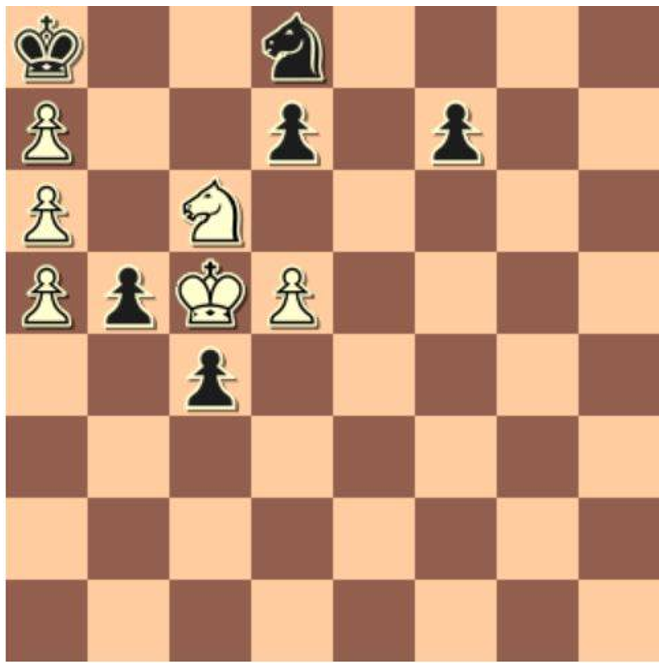 A Chess Study Requiring Backpropagation
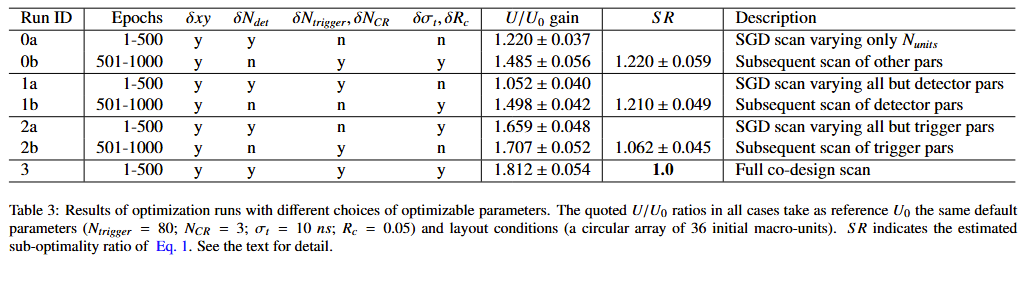 Co-Design Of Scientific Experiments