Fake Banner
Environmentalists, What Are You Asking From Dedmoroz Lenin For Earth Day This Year?

Tomorrow is Earth Day. It is also Lenin's birthday. That's not coincidence. The leader of...
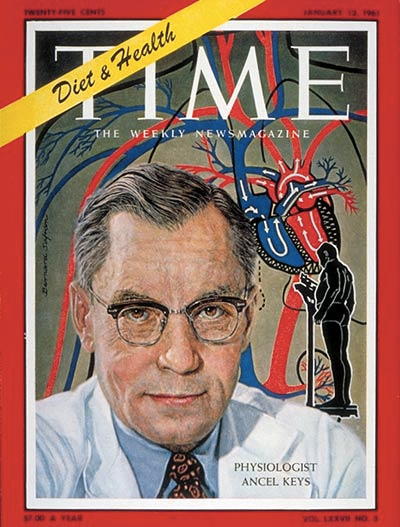
How Ancel Keys Went From MAHA Hero To MAHA Villain

If a lot of the food and health claims you read and hear today seem like things left over from...

Are Baseball Pitchers Faster Today?

On September 7, 1974, pitching for the California Angels, Nolan Ryan, known for his velocity, became...
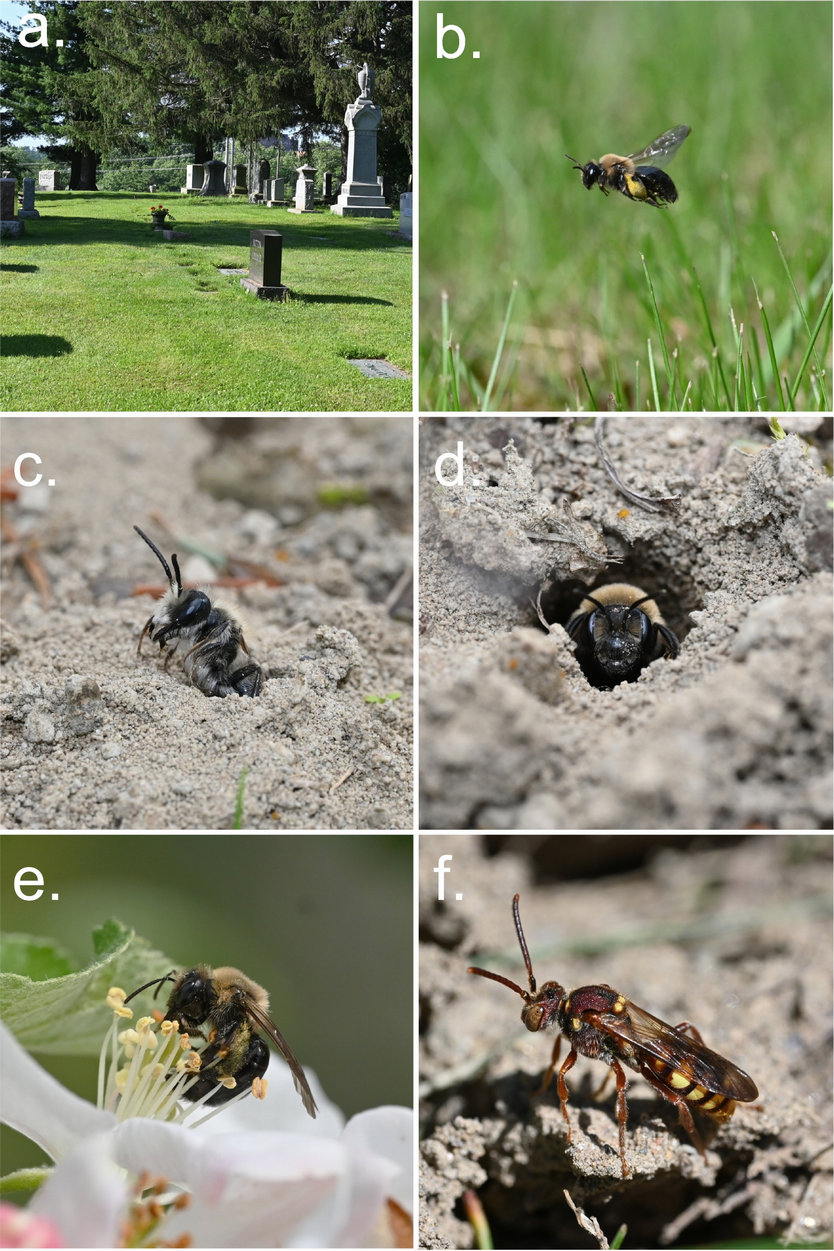
Ground-Nesting Bee Populations Don't Get Publicity But They're Everywhere

Honeybees get attention in environmental fundraising campaigns because people don't understand...

User picture.
picture for Tommaso Dorigopicture for Heidi Hendersonpicture for Fred Phillipspicture for picture for Hontas Farmerpicture for Atreyee Bhattacharya
Hank CampbellRSS Feed of this column.

I founded Science 2.0® in 2006 and since then it has become the world's largest independent science communications site, with over 300,000,000 direct readers and reach approaching one billion. Read More »

Blogroll
Federal appointees do not report to the public. They are political picks chosen to advance the agenda of their administration. Since they are picked to influence issues of science, politics comes first, and science might come second — but, more often than not, last. That explains how institutions such as the EPA and Nuclear Regulatory Commission ignore and suppress inconvenient research. 

Frustratingly, political appointees and their hand-picked experts are also determining the future health of our children. Administration True Believers are deciding what is dogma and what is heretical. We’re facing a looming Food Inquisition, and few people seem to notice.
When you have been around as long as Harvard, and your library contains 15 million books, you are bound to have a few that are bound in human flesh.

Wait, what?

Yes, an interesting article by Samuel Jacobs in The Crimson from 2006 got resurrected recently. It detailed what librarians would rather not become an object of morbid fascination - that some of their books are bound in human skin. Odd, right? 
Nothing says fun to a kid like talking about carbon dioxide and nucleation sites and surfactants.

Actually, that sounds really, really boring. But if you instead tell them you are going to cause a giant geyser of soda to erupt in the driveway, they will get pretty excited. Then they will ask what happens if you use different sodas, and then different candies, and suddenly a little experimental physicist or chemist is born.
Enjoy Greek yogurt?

Maybe, if you hate nature.

Because it is now a $2 billion a year industry, activists have turned on it, a fate that the $29 billion organic food industry has so far escaped.

One Green Planet says the greek yogurt manufacturing process is "creating an ecological nightmare beyond all comprehension" which tells you that no one at One Green Planet can do simple math. And they are prone to hyperbole. It is entirely in my ability to comprehend what a cup of yogurt can do.
Organic food has built a lot of mythology around its process - more ethical, more nutritional, fewer pesticides, a larger penis for the sons of organic shoppers - but one claim was a puzzler only subscribed to by the kind of people who buy homeopathy and healing crystals; that eating organic might reduce the risk of cancer.
A decade ago, a well-orchestrated political campaign against Republicans in general and George W. Bush in particular turned everything into an anti-science issue. Union of Concerned Scientists (UCS), which is run by a former Democratic staffer, was front and center in that effort, even drafting a popular 2004 petition saying Bush "has continued to distort and suppress science" which was dutifully signed by a bunch of people who were never going to vote for a Republican anyway.