Fake Banner
Environmentalists, What Are You Asking From Dedmoroz Lenin For Earth Day This Year?

Tomorrow is Earth Day. It is also Lenin's birthday. That's not coincidence. The leader of...
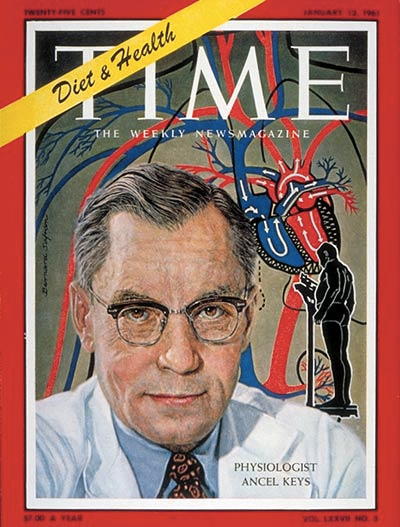
How Ancel Keys Went From MAHA Hero To MAHA Villain

If a lot of the food and health claims you read and hear today seem like things left over from...
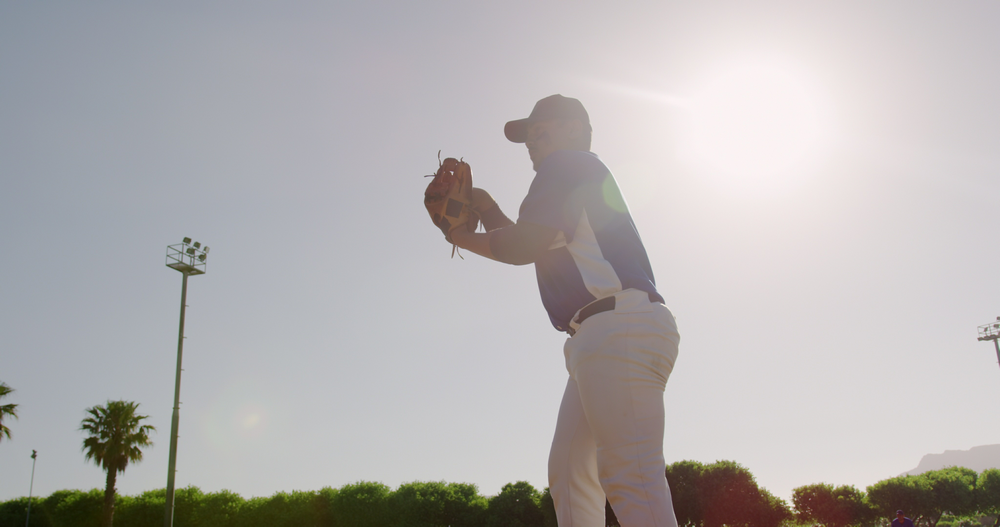
Are Baseball Pitchers Faster Today?

On September 7, 1974, pitching for the California Angels, Nolan Ryan, known for his velocity, became...

Ground-Nesting Bee Populations Don't Get Publicity But They're Everywhere

Honeybees get attention in environmental fundraising campaigns because people don't understand...

User picture.
picture for Tommaso Dorigopicture for Heidi Hendersonpicture for Fred Phillipspicture for picture for Hontas Farmerpicture for Atreyee Bhattacharya
Hank CampbellRSS Feed of this column.

I founded Science 2.0® in 2006 and since then it has become the world's largest independent science communications site, with over 300,000,000 direct readers and reach approaching one billion. Read More »

Blogroll

There are examples of positive political campaigns - Ronald Reagan appealed to what America could be, for example - but even that message of hope had an undercurrent of fear, namely that if things did not change, America would stay morassed in 1970s stagflation.

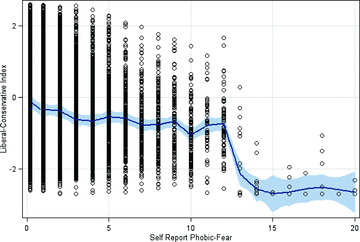
Fear is still used in political campaigns to steer public opinion, but a political scientist claims not everyone is equally predisposed to be influenced by that strategy. Who is most genetically predisposed to be swayed by fear?  Well, it is a humanities study done by someone with no science training, so take a guess.  Answer farther done if you can't connect the cultural dots.

While driving to my doctor's office to get some persistent Toxicodendron diversilobum (that's poison oak) looked at, I listened to NPR. Just as you would expect of me, my radio stations will all have buttons for NPR, country music, whatever station carries Rush Limbaugh, and a variety of others. On NPR I was intrigued because the guest chef was preparing a meal for alternative Thanksgiving lifestyles, that being vegan and gluten-free.
Google money magic can only take you so far with the federal government. 

23andMe, the highest profile genetic testing company, co-founded by Anne Wojcicki, wife of Google co-founder Sergey Brin, has gotten a warning letter from the FDA. The problem? They don't disclose how accurate they are, but they claim all kinds of awareness benefits that make them look a lot like a medical device.
Americans have had it good.

Drug companies have consistently produced new products that have done terrific things, but they are hated by much of the public, to such an extent that marijuana advocates have not only invented medical benefits for cannabis, they think Mexican drug cartels are more ethical than Merck. We only have no issue with the the reality that drug companies are going to be sued at some point no matter how well the products work.

Then there is the political grandstanding of politicians and an increasingly hostile regulatory environment.
If biology fear mongers can't get referendums (let's vote on science!) passed in states like California and Washington where, let's face it, evidence-based thinking about science left long ago, what chance do they have in more politically moderate states? 

Not much, at least in New Hampshire. 

A well-funded effort by Gary Hirshberg, he of the organic giant Hirshberg’s Stonyfield Farms, failed to alarm lawmakers, who instead said that warning labels on GMO foods, in defiance of every scientific body's statements, would be a "rush to judgment", notes National Grange legislative director Grace Boatright.
Throughout the 1990s, environmentalists insisted that ethanol was the wave of our energy future. Vice-President Al Gore even famously broke a tie in the Senate to allow the Environmental Protection Agency to push its use.