Fake Banner
Environmentalists, What Are You Asking From Dedmoroz Lenin For Earth Day This Year?

Tomorrow is Earth Day. It is also Lenin's birthday. That's not coincidence. The leader of...
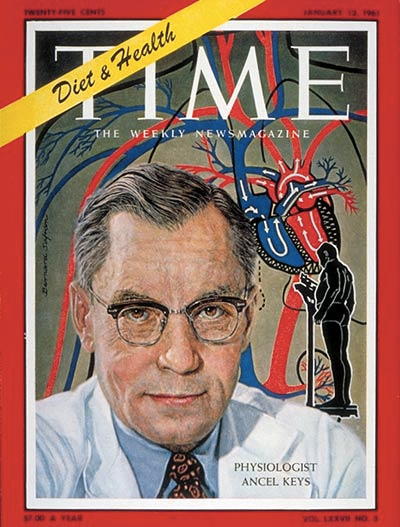
How Ancel Keys Went From MAHA Hero To MAHA Villain

If a lot of the food and health claims you read and hear today seem like things left over from...
Are Baseball Pitchers Faster Today?

On September 7, 1974, pitching for the California Angels, Nolan Ryan, known for his velocity, became...
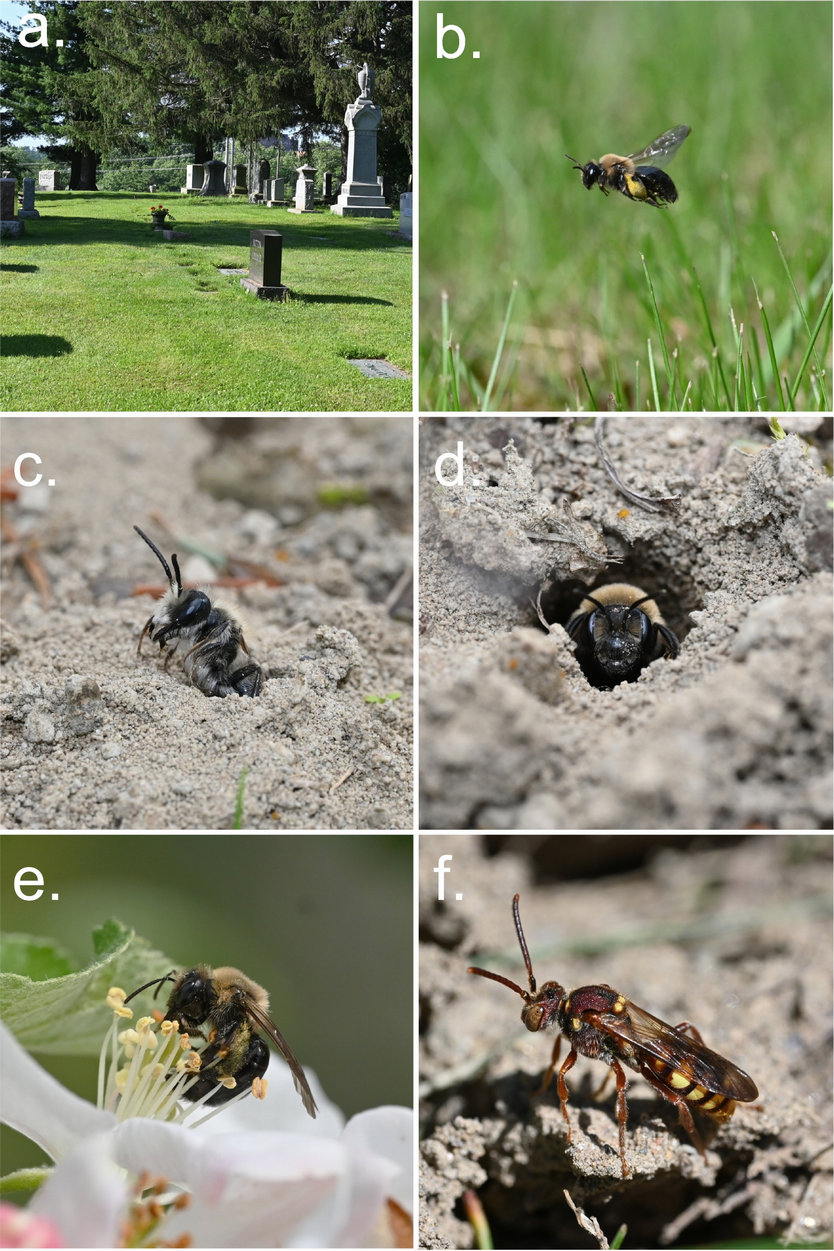
Ground-Nesting Bee Populations Don't Get Publicity But They're Everywhere

Honeybees get attention in environmental fundraising campaigns because people don't understand...

User picture.
picture for Tommaso Dorigopicture for Heidi Hendersonpicture for Fred Phillipspicture for picture for Hontas Farmerpicture for Atreyee Bhattacharya
Hank CampbellRSS Feed of this column.

I founded Science 2.0® in 2006 and since then it has become the world's largest independent science communications site, with over 300,000,000 direct readers and reach approaching one billion. Read More »

Blogroll
Environmental groups are concerned they have lost the trust of the public regarding global warming so they have taken to new marketing approaches.    They started the last decade with runaway public interest and goodwill and ended it with scandals and black marks on the credibility of the climate field.
The Economist argues, as they would be expected to argue, given their free market leaning, that due to the glut of Ph.D.s and therefore the poor job market (in academia), it is a waste of time.   A Ph.D. who enters the job corporate world for anything except basic research has the wrong set of skills, according to corporate hiring managers, so it is actually better to hire a bachelor's or Masters degree and spend the time in the corporate world.  Numbers bear it out.  While a Ph.D. earns more than a bachelor's degree today the difference between a Ph.D. and a Masters is barely noticeable.
Wrestlers are taught to ignore an opponent's eyes and instead watch his waist - nothing much is happening that his waist won't be involved in whereas eyes can be misleading.    That means wrestlers are conservatives, according to new research coming out in Attention, Perception&Psychophysics.

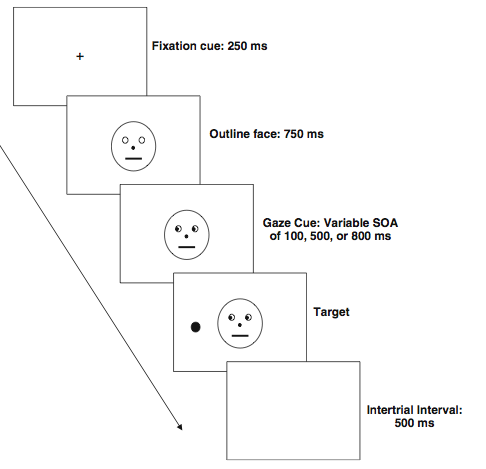
Progressives follow eye movements more than conservatives, the authors contend.   That means that progressives (also, liberals, if you don't know what the word liberal means) and conservatives quite literally do not see the world in the same way.   The researchers measured reaction to 'gaze cues' - the tendency to shift attention based on another person's eye movements.  Essentially, they wanted to find out who looked more at what distracted someone else.
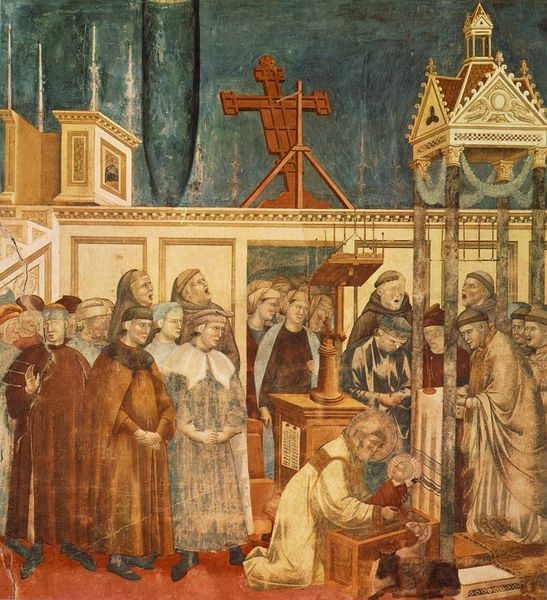
In the category of lesser-known holidays that could be celebrated on December 25th, the coronation of William of Normandy in 1066 A.D. as first King of what we know as modern England would have to be considered.    It was the last time a foreign nation would conquer the island nation and years later the Brits gave us all Shakespeare, Christmas Island and America.
What do you get when you cross Science 2.0, the cultural buzzterm that really took off in 2010 (and brought with it a whole host of colloquial meanings veering into 'web 2.0-ish, it means whatever you want it to mean' jargon) with a western world Christmas season?

You get an excuse to do a compilation of science articles, that's what.

So once again this year I have compiled topical articles from this year and seasons past.
Some detractors believe science is an 'old boys network' resistant to outsiders - if that were true, a group of young boys and girls wouldn't have their first journal publication.  At age eight.

Biology Letters has a study conducted by an English elementary school (Devon) and the young investigators  examined the way bees see colors and patterns (buff-tailed bumble-bee - Bombus terrestris).  Their lab?  A local churchyard.

Using the scientific method and time-honored experimental procedures, they "provide convincing evidence that bees can transpose between learned colour, pattern and spatial cues when encountering changes in a coloured scene."