Fake Banner
Environmentalists, What Are You Asking From Dedmoroz Lenin For Earth Day This Year?

Tomorrow is Earth Day. It is also Lenin's birthday. That's not coincidence. The leader of...
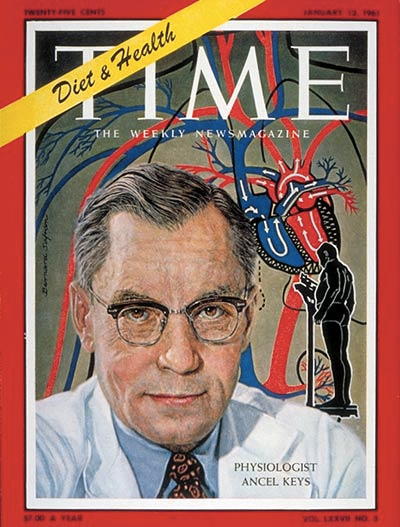
How Ancel Keys Went From MAHA Hero To MAHA Villain

If a lot of the food and health claims you read and hear today seem like things left over from...
Are Baseball Pitchers Faster Today?

On September 7, 1974, pitching for the California Angels, Nolan Ryan, known for his velocity, became...
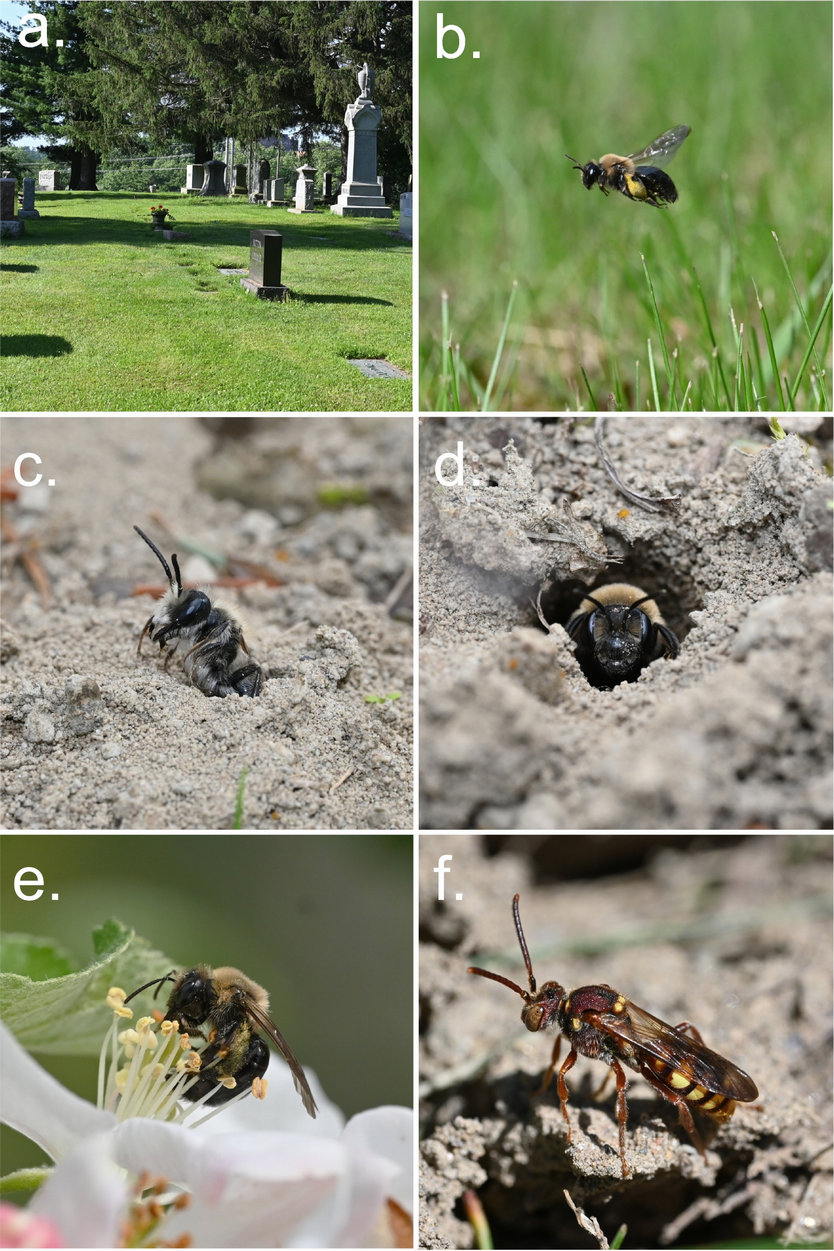
Ground-Nesting Bee Populations Don't Get Publicity But They're Everywhere

Honeybees get attention in environmental fundraising campaigns because people don't understand...

User picture.
picture for Tommaso Dorigopicture for Heidi Hendersonpicture for Fred Phillipspicture for picture for Hontas Farmerpicture for Atreyee Bhattacharya
Hank CampbellRSS Feed of this column.

I founded Science 2.0® in 2006 and since then it has become the world's largest independent science communications site, with over 300,000,000 direct readers and reach approaching one billion. Read More »

Blogroll
Economics is called the dismal science for a reason - things are never very good to economists.  Heck, economists have been over the moon about the economic downturn because it gives them something to talk about ("Economy booming, inflation low without any help from economic theory" is not exactly going to be a fun article for economists to write) and they get to be more optimistic than the people with no jobs again this year.

Poor nations aren't going to be thrilled about a new paper showing that even peasants under the feudal system had a better standard of living than they had.   Dismal, indeed.
Like puzzles?  Who doesn't?

Long-time Science 2.0 contributor Garth Sundem - and by long time I mean loooong time, since 2006, during the beta period - is in the New York Times Science section during their theme on puzzles.    
We know that light has mass and that beaming enough light at something can push it away - solar sails that will move a craft through the cosmos are based on this idea and NASA tested that concept earlier today when it launched NanoSail-D, a nanosatellite (cubesat) which will unfold to a 100 square foot polymer sail and travel in low earth orbit for a few months.

solar sail on a cubesat.
Sails?  We don't need no stinking sails.  Credit: NASA
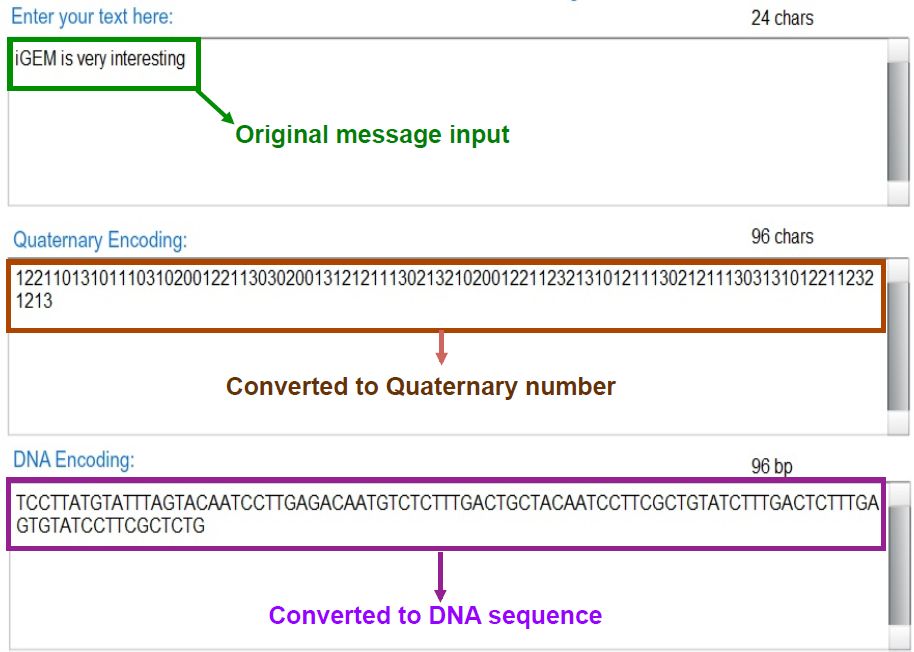
DNA computing and storage has been on the horizon for most of this decade but never gone beyond the intellectual exercise stage.   Storage limitations were far too small to merit applied science efforts so it was clever but that was the extent of it.

That may not be the situation for much longer.   GenomeWeb reports that a research team from the Chinese University of Hong Kong has encrypted and stored a hefty 90GB of data in one gram of bacteria, creating what they are calling a "massively parallel bacterial storage system."
It was hard to miss the arsenic microbe news last week.  Heck, I was in the woods of Pennsylvania with no cell phone access much less Internet and I knew about it. The NASA hype machine and mass media's need to sell eyeballs made sure of that.
Why scientists should blog is not a new topic to Science 2.0.   In a way, I think we pioneered science blogging(1) because, prior to us, the only science bloggers with any real audience mostly wrote about politics and religion and last year I chaired a panel on science outreach with two columnists here and Mike Eisen, co-founder of PLoS, and Eugenie Scott, founder of the National Center for Science Education and blogging was a key topic on how scientists should increase engagement.