Fake Banner
Environmentalists, What Are You Asking From Dedmoroz Lenin For Earth Day This Year?

Tomorrow is Earth Day. It is also Lenin's birthday. That's not coincidence. The leader of...
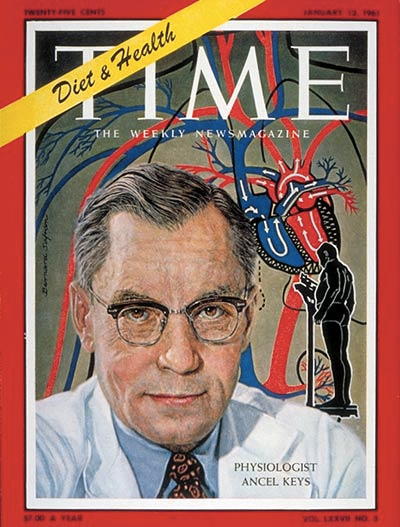
How Ancel Keys Went From MAHA Hero To MAHA Villain

If a lot of the food and health claims you read and hear today seem like things left over from...

Are Baseball Pitchers Faster Today?

On September 7, 1974, pitching for the California Angels, Nolan Ryan, known for his velocity, became...
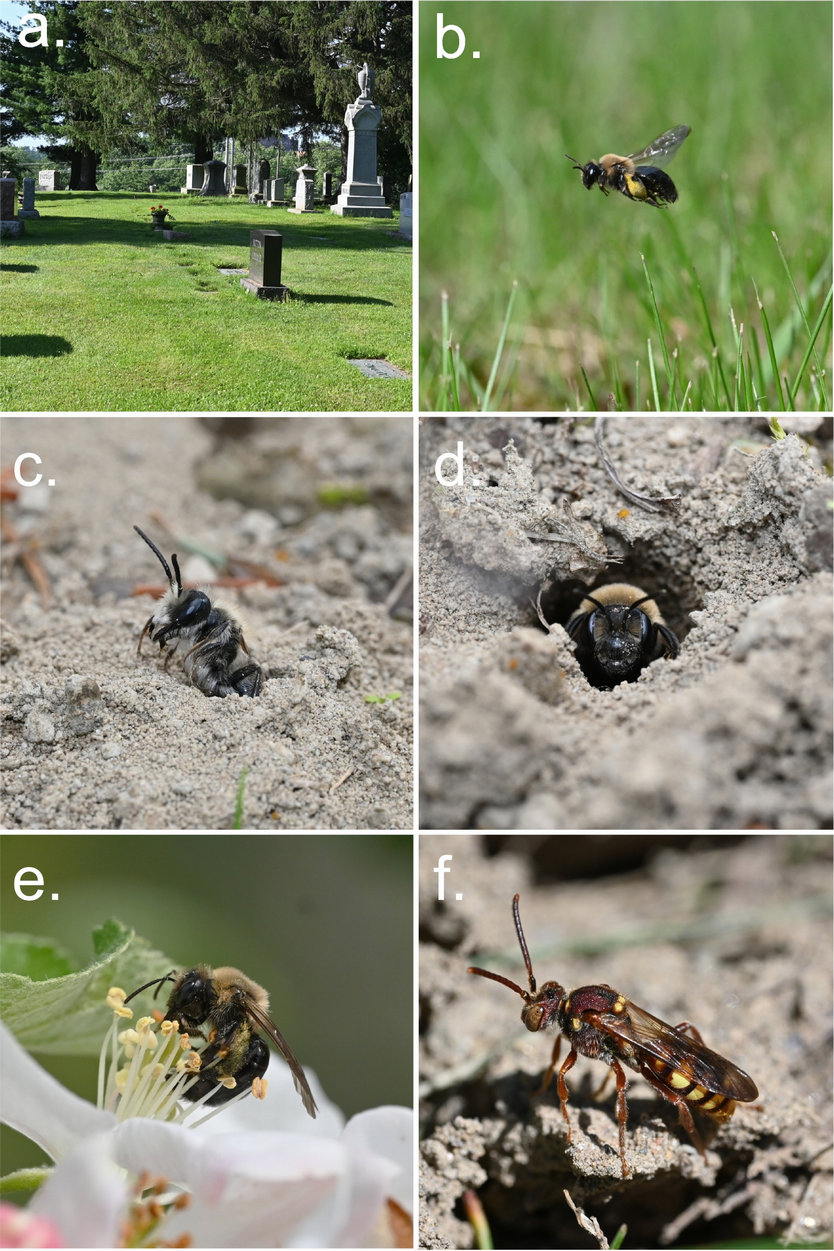
Ground-Nesting Bee Populations Don't Get Publicity But They're Everywhere

Honeybees get attention in environmental fundraising campaigns because people don't understand...

User picture.
picture for Tommaso Dorigopicture for Heidi Hendersonpicture for Fred Phillipspicture for picture for Hontas Farmerpicture for Atreyee Bhattacharya
Hank CampbellRSS Feed of this column.

I founded Science 2.0® in 2006 and since then it has become the world's largest independent science communications site, with over 300,000,000 direct readers and reach approaching one billion. Read More »

Blogroll
Recent estimates are that 7-11% of published research is 'open access', a term used to distinguish content that is open to other researchers and the public (free of charge to read) from research available only to subscribers of journals (called 'toll access' by open access advocates) and readers in libraries.
When the Batphone rang in my office late Wednesday, I knew it had to be important, like someone being wrong on the Internet, because, really, no one calls me.  It helps that I never call anyone back(1).

It turned out to instead be everyone's favorite math geek, Garth Sundem.   He got an impromptu gig on a Sacramento morning show so he was driving up I-5 and wanted to know if Bloggy would be available to break some bread.   I could come along too, he said.

So break bread we did.  Garth is just as engaging and personable over a Fat Tire as he is on TV.
The Public Library of Science has responded to various new networks cropping up in the wake of the Scienceblogs Pepsigate scandal by recruiting keen writers and putting their brand behind them.

Advantage for those wounded by the Scienceblogs ethical quicksand - they can carry no ads because they have PLoS One (and it's projected whopping 7,000 pay-to-publish articles this year) to carry the revenue load for blogging and the rest of PLoS.  Plus blogging is not terribly server heavy so the cost will not be onerous.  It's just writing and people comment.  Pretty simple in both programming and caching.
If you just looked at today's cool link, discussing why editors at Old Media don't seem to get the value of links (but their salespeople litter online magazines with paid ones) I give you this great example:

Esquire magazine interviews our own Andrea Kuszewski and it appears online (in one of those horrid slideshows that annoys everyone yet has survived for 15 years) but they don't put a link.

We still link to them.  Because we are awesome like that.
The great thing about being a bureaucrat in a dictatorship is you can take credit for everything that happens in your personal fiefdom and treat people like garbage and there is no recourse.   Well, almost no recourse.   Those guys working for Saddam Hussein didn't fare all that well when their boss started floating rumors he had weapons of mass destruction, but generally the life of a senior guy in a dictatorship is pretty good.
The Wall Street Journal took the Marc Hauser controversy (barely noticed here, because it's evolutionary psychology, which is sort of apodictically evident as bad science so we didn't react to it) and used his suspect data on monkey cognition to slap progressives.