Fake Banner
Environmentalists, What Are You Asking From Dedmoroz Lenin For Earth Day This Year?

Tomorrow is Earth Day. It is also Lenin's birthday. That's not coincidence. The leader of...
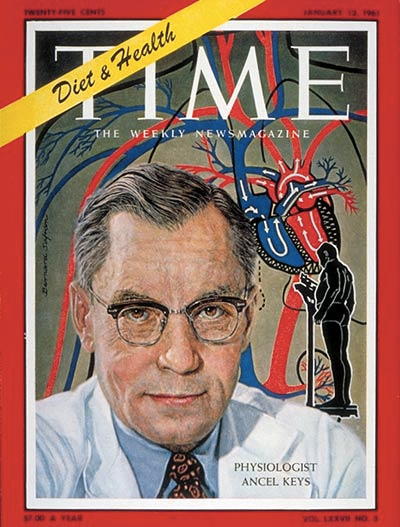
How Ancel Keys Went From MAHA Hero To MAHA Villain

If a lot of the food and health claims you read and hear today seem like things left over from...

Are Baseball Pitchers Faster Today?

On September 7, 1974, pitching for the California Angels, Nolan Ryan, known for his velocity, became...
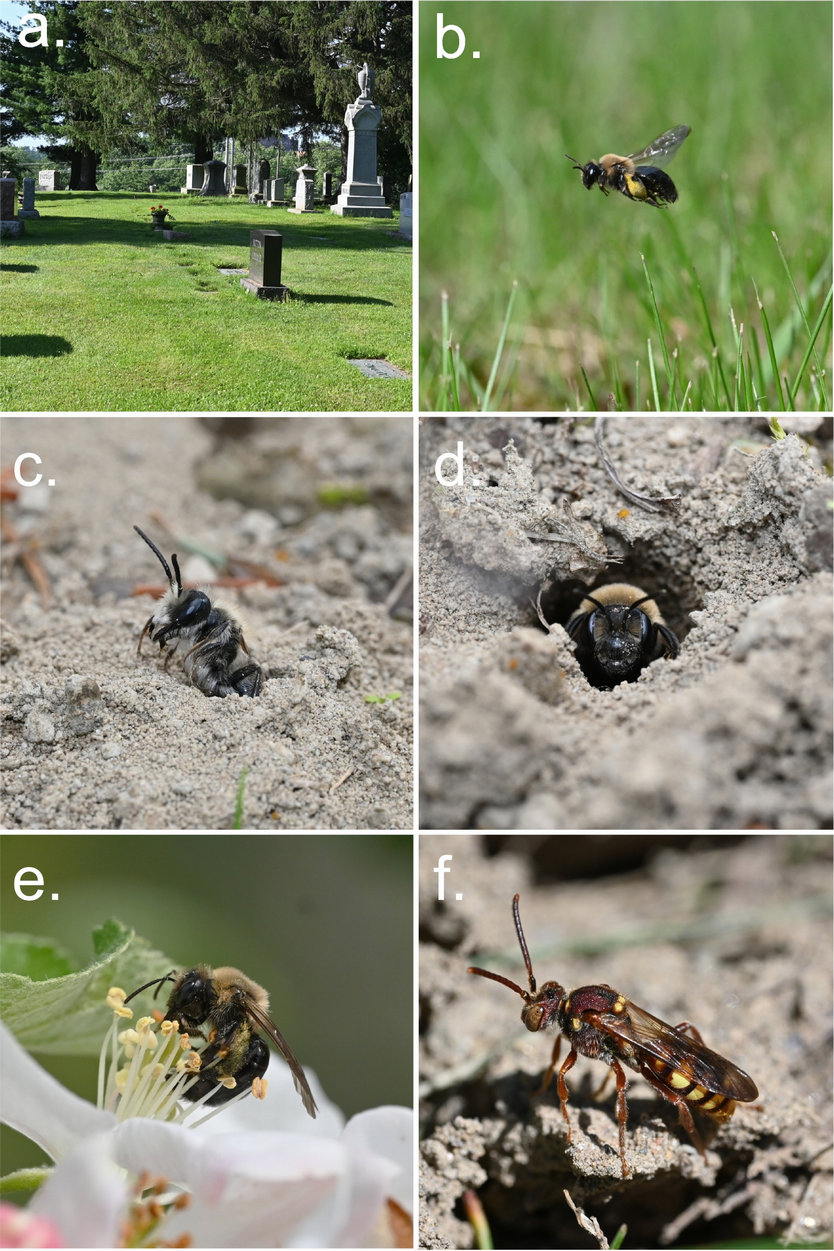
Ground-Nesting Bee Populations Don't Get Publicity But They're Everywhere

Honeybees get attention in environmental fundraising campaigns because people don't understand...

User picture.
picture for Tommaso Dorigopicture for Heidi Hendersonpicture for Fred Phillipspicture for picture for Hontas Farmerpicture for Atreyee Bhattacharya
Hank CampbellRSS Feed of this column.

I founded Science 2.0® in 2006 and since then it has become the world's largest independent science communications site, with over 300,000,000 direct readers and reach approaching one billion. Read More »

Blogroll
Vote for the 'best' science blog of 2007 here. Okay, I'll admit it, I don't read any of them ( and they don't read us - most successful science sites don't read each other because we're busy, you know, writing stuff ) but I see there is the usual "help we're being oppressed" tizzy because a 'global warming denier' ( read: must be a shill for Big Oil, Bush, Religion, Republicans, etc. ) is in the running.
Open Access to Research Funded by U.S. Is at Issue A long-simmering debate over whether the results of government-funded research should be made freely available to the public could take a big step toward resolution as members of a House and Senate conference committee meet today to finalize the 2008 Department of Health and Human Services appropriations bill. At issue is whether scientists funded by the National Institutes of Health should be required to publish the results of their research solely in journals that promise to make the articles available free within a year after publication.

I received a nice letter from an editor at The Scientist asking for permission to reprint a comment I wrote regarding an article about the American Chemical Society titled "Unrest At The ACS" by Andrea Gawrylewski.

An open letter to the ACS, and a response. I also had a note from a person at The Scientist asking to print my comment in the letters section. I don't think the ACS issue is going away any time soon.

The most emails I ever received about an article was Social Science And Social News Sites because of a very small part of the article where we mentioned that we swapped out the Digg submission button with Slashdot.

My take was that our kind of serious science content is just not right for Digg, since the last hundred or so articles were buried by readers and thus not a good fit for their audience. Not so, said the people who wrote. They contended Digg has an internal bury list and that it was probably marketing related rather than being done by users.

Before political science existed as a discipline it was assumed all countries wanted the same thing; land and security. The Industrial Revolution brought a new focus on strategic resources.

In the late 1800s America was already producing more strategic resources than anyone and in World War 2 the USA asserted its industrial might geopolitically. In the post-World War Two era the American focus as a superpower was on ideology and trade.

Since that time, the recurring question has been 'who's next?' Rome fell from power, as did Mongolia and Great Britain. America would fall too, it was said. Some country would replace it.