Fake Banner
Environmentalists, What Are You Asking From Dedmoroz Lenin For Earth Day This Year?

Tomorrow is Earth Day. It is also Lenin's birthday. That's not coincidence. The leader of...
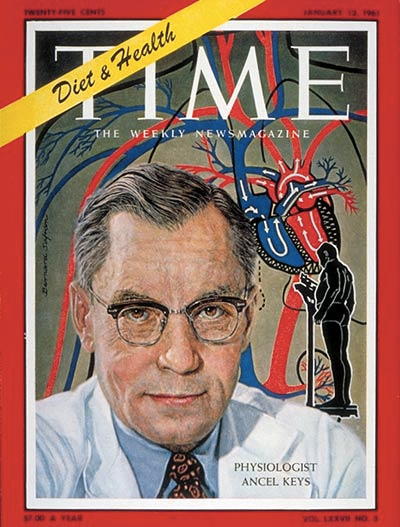
How Ancel Keys Went From MAHA Hero To MAHA Villain

If a lot of the food and health claims you read and hear today seem like things left over from...
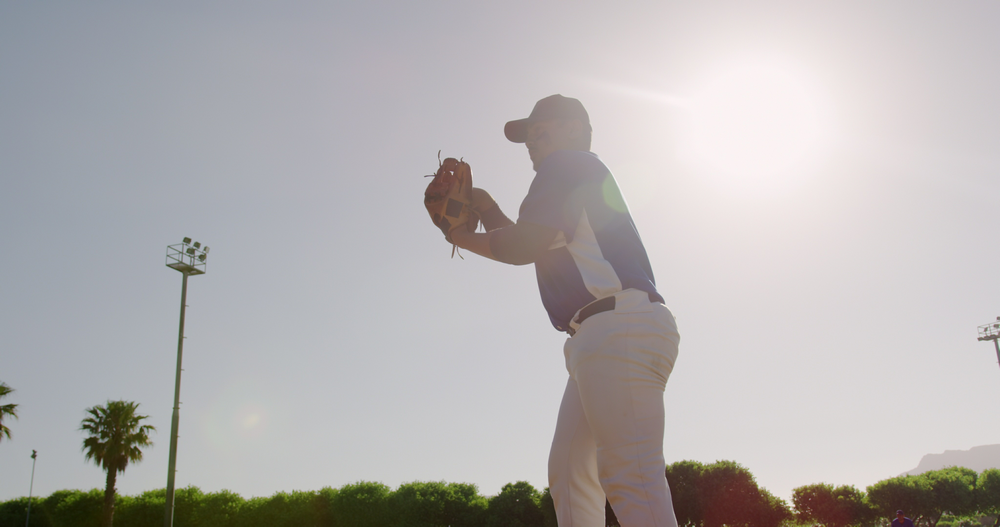
Are Baseball Pitchers Faster Today?

On September 7, 1974, pitching for the California Angels, Nolan Ryan, known for his velocity, became...
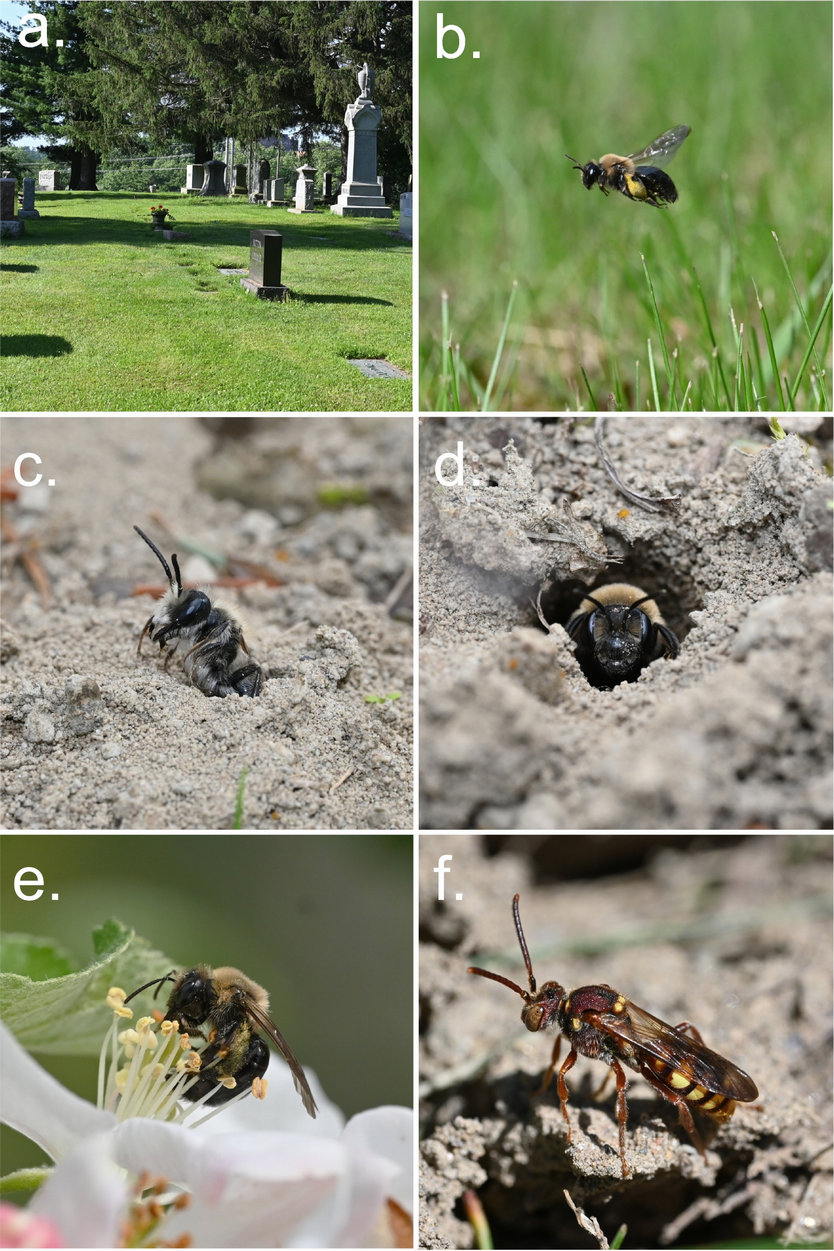
Ground-Nesting Bee Populations Don't Get Publicity But They're Everywhere

Honeybees get attention in environmental fundraising campaigns because people don't understand...

User picture.
picture for Tommaso Dorigopicture for Heidi Hendersonpicture for Fred Phillipspicture for picture for Hontas Farmerpicture for Atreyee Bhattacharya
Hank CampbellRSS Feed of this column.

I founded Science 2.0® in 2006 and since then it has become the world's largest independent science communications site, with over 300,000,000 direct readers and reach approaching one billion. Read More »

Blogroll

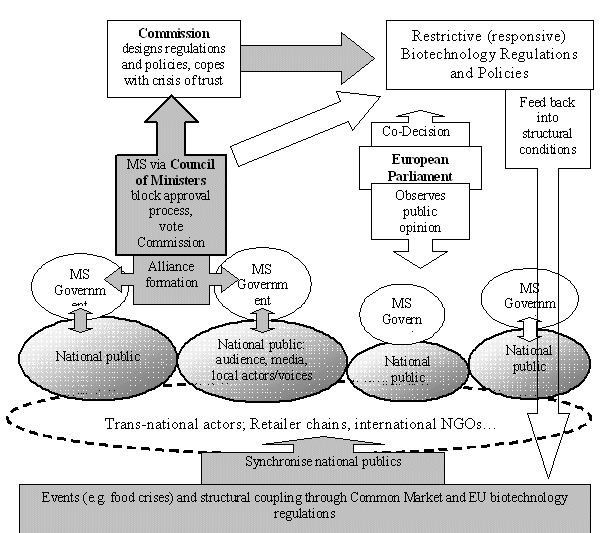
By fomenting dissent against genetic engineering, opponents are furthering the cause of democracy, says Dr. Franz Seifert, who did a recent study for the Austrian Science Fund FWF project.

What does that mean? What Science 2.0 has said all along. Science decisions need to influence policy, so if you want to make the most informed decisions, get all of the facts first.

Obviously there's a controversy regarding genetic engineering. Unlike most science sites, here you can find arguments for it and against it, both backed by science data. Seifert did his study in the EU where some decisions are made on the continental level but most debates take place at the local and national level. It then requires those local decisions to filter up to the bureaucracy.

Want to view the earth as its seen from any satellite? Here you go.

There's a war happening in science but you may not know about it, and it's stranger than most because it is pitting some people with HIV and their loved ones against the scientists and medical community trying to cure it. In other words, it's a war that makes even less sense than most wars.

Did you know there was even a debate about whether or not HIV causes AIDS? I didn't. You might as well have walked up and told me puppies and free money don't cause happiness - I was that shocked - but a debate there is and I learned about it when I read an editorial in PLoS ( Public Library of Science) Medicine titled HIV Denial in the Internet Era.

SciVee - YouTube for scientists. Because watching other people work is more fun.
PZ Myers at Scienceblogs.com is being sued for libel. Squelching free speech, proof of the power of blogging or proof that the free for all on attacks by bloggers without penalty has ended? I don't know, but the implications are substantial.

Research can often be a thankless job for the researcher - logically even more so if you make your data available to the community at large. Someone in the peer community will challenge it, bloggers will pick it apart, newspapers will misinterpret it and someone, somewhere, will find a way to use it to bolster their favorite political argument.

The benefits of open science to the science community receiving the data are obvious. They get results without effort or money or time. Is there any benefit to the researcher and, if not, why would anyone do it?