Fake Banner
Environmentalists, What Are You Asking From Dedmoroz Lenin For Earth Day This Year?

Tomorrow is Earth Day. It is also Lenin's birthday. That's not coincidence. The leader of...
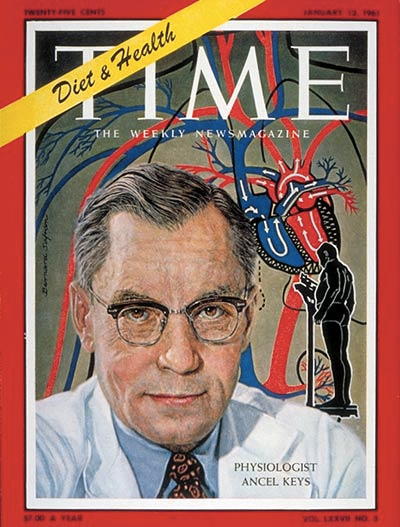
How Ancel Keys Went From MAHA Hero To MAHA Villain

If a lot of the food and health claims you read and hear today seem like things left over from...

Are Baseball Pitchers Faster Today?

On September 7, 1974, pitching for the California Angels, Nolan Ryan, known for his velocity, became...
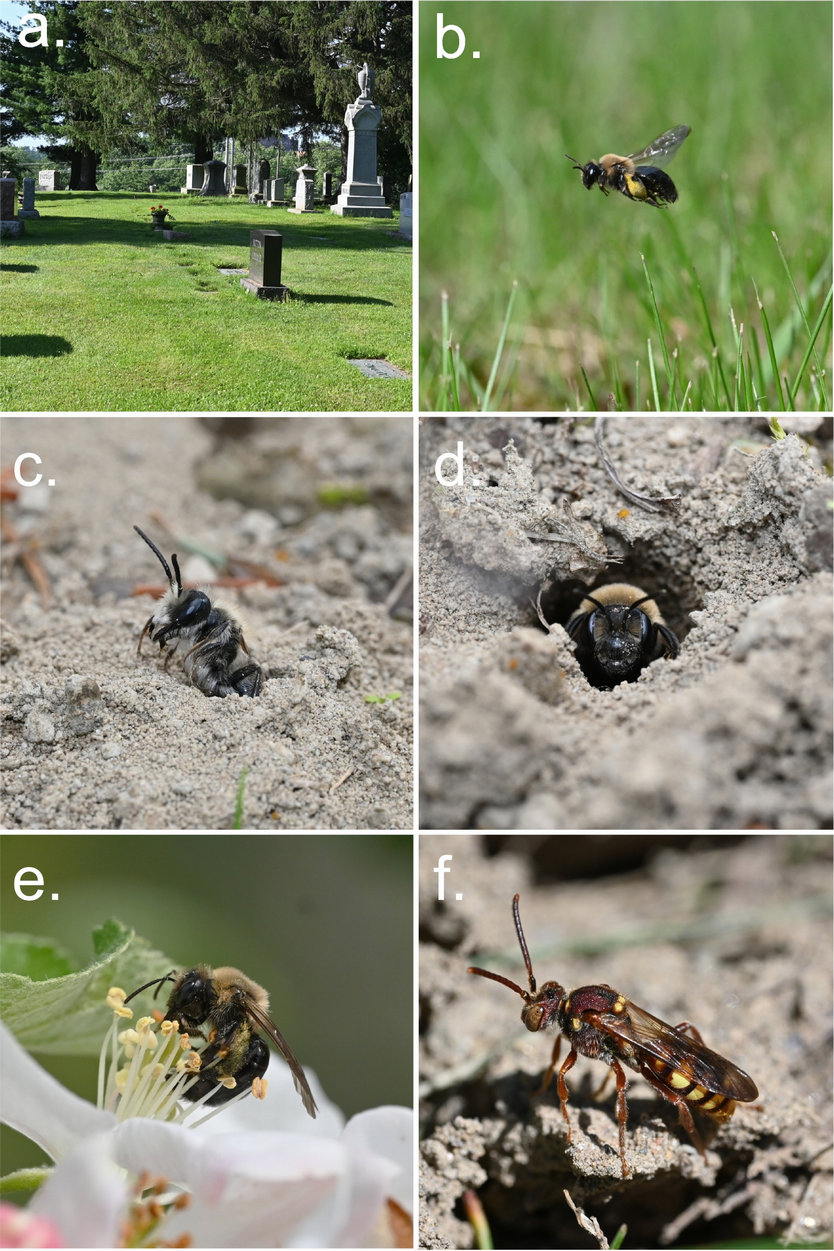
Ground-Nesting Bee Populations Don't Get Publicity But They're Everywhere

Honeybees get attention in environmental fundraising campaigns because people don't understand...

User picture.
picture for Tommaso Dorigopicture for Heidi Hendersonpicture for Fred Phillipspicture for picture for Hontas Farmerpicture for Atreyee Bhattacharya
Hank CampbellRSS Feed of this column.

I founded Science 2.0® in 2006 and since then it has become the world's largest independent science communications site, with over 300,000,000 direct readers and reach approaching one billion. Read More »

Blogroll
I have a pocket watch from the late 1800s. Why or how anyone carried this thing comfortably is a mystery. It is bulky and heavy. I can't have been alone because within just a few decades there was a wave of optimization that can best be compared to cell phones; even low-cost watches became small, light, and they kept great time. A pocket watch from the 1930s or '40s can often be found on my person, never the big heavy thing.

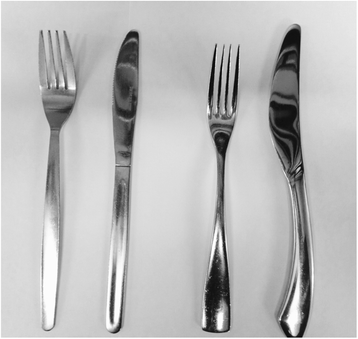
I don't like dainty coffee cups or a salad fork and I like a heavy blanket. Though recent trends had been toward smaller and lighter, I am not alone in preferring heft. People have started to love weighty stuff again.
Though we're at the tail end of the third coronavirus pandemic of the last 18 years, and a billion people in the world still use wood and dung for energy, and some people still starve, things are better than ever before. 

The mountains and valleys of feast and famine have tapered into gentle hills and science has made it possible for previously inhospitable regions to grow food.  That has meant prosperity. A decade ago the World Health Organisation set targets for income among the poorest, and those targets were met far ahead of schedule. 
Are you a white person who believes you have a moral imperative to introduce your superior belief system to brown and black people in other countries who have not yet been converted?

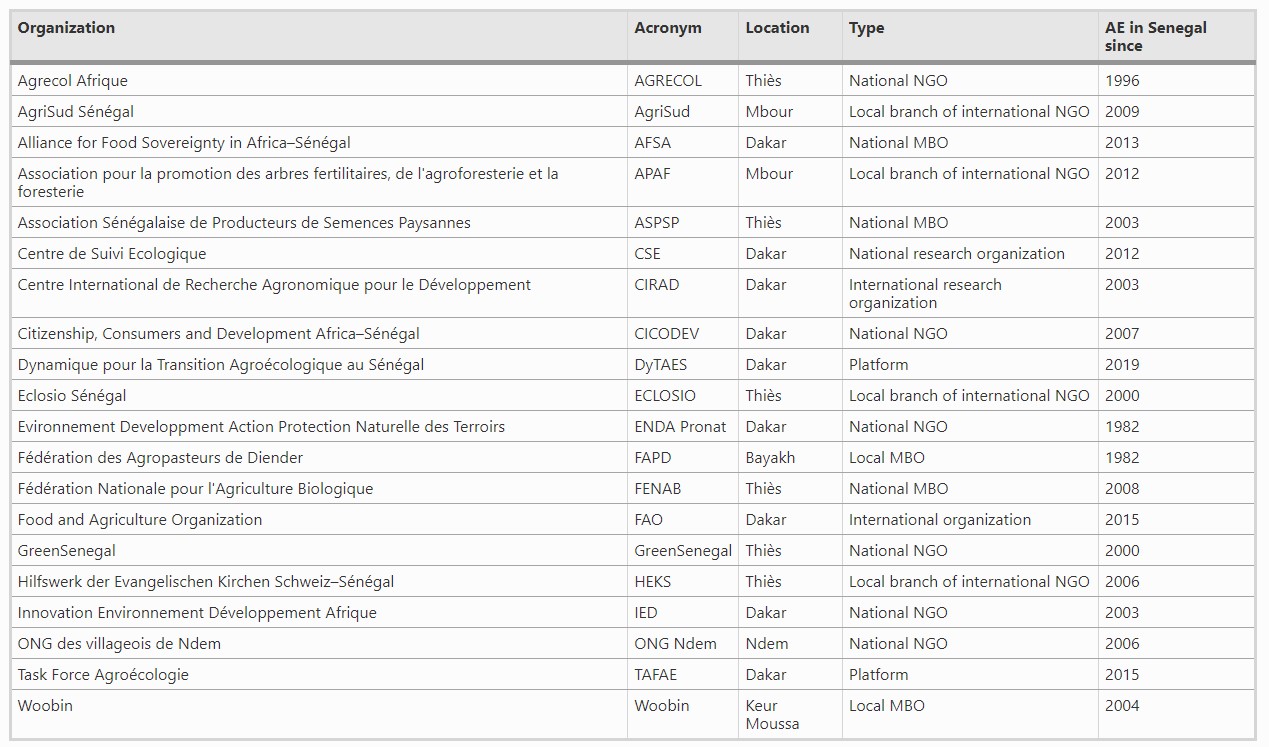
No, you're not a 19th century European missionary, you work at a modern European environmental NGO.
 
That reads provocative, even inflammatory, but it may be happening. And agroecology academics want to stop it before it is too late.

Europe has made it plain that they want European laws to be earth's laws. If a developing nation uses a safe pesticide that Europe has still chosen to ban, Europe will put them in their economic ghetto, along with imports from Israel.
Nearly 70 years ago, results of a Swedish experiment, now called the Vipeholm studies, correlated frequent candy consumption and tooth decay. With the benefit of scientific hindsight, this is no surprise. What is a surprise is how different cultures reacted. 

For example, instead of public awareness campaigns highlighting the effects of carbohydrates on oral health, as Americans might expect, Sweden asked people to cut back on candy drastically, to eating candy one day per week. Thus was born lördagsgodis - “Saturday sweets.” Parents only let their kids eat candy on Saturday.
"Shark Week" is a Discovery Channel event each summer, unsurprisingly about sharks. It came into existence because "Jaws" the book and then the film were huge hits and they never left the public consciousness after that.

Now Shark Week is much the same, a part of the cultural lexicon. They used to market it, one year they even killed me off in a shark attack as part of their promotional stunt, but now I bet they don't have to do much at all. Yet when you grow to be important, you are going to those who want to bring you down a little. Big tree fall hard, as the saying goes.
A short while ago a prominent physicist made the offhand claim that bees were dying because of a class of pesticides called neonicotinoids - seed treatments that protect plants from pests at their most vulnerable stage and result in far less chemical use than mass spraying. It's not true, and bees are not dying off anywhere, but that claim was still made by environmental fundraising brochures and lawyers hoping to sue so it's no surprise Mother Jones readers believe it.

But a scientist?  That should be odd. Yet it isn't.