

 Environmental Groups Back In Court To Help Fellow Rich White People
The Usual Suspects of the anti-science movement, Center for Biological Diversity(1), Environmental...
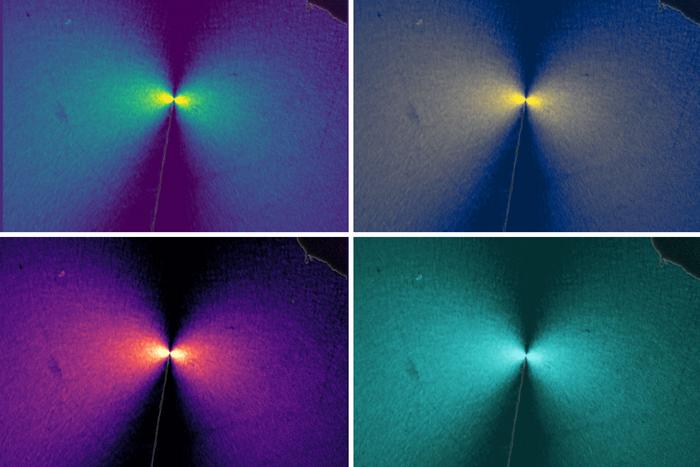 Batteries Are Stuck In The 1990s Because Solid-State Batteries Keep Short-Circuiting
The electric car industry is held back by reliance on conventional energy. Despite spending trillions...
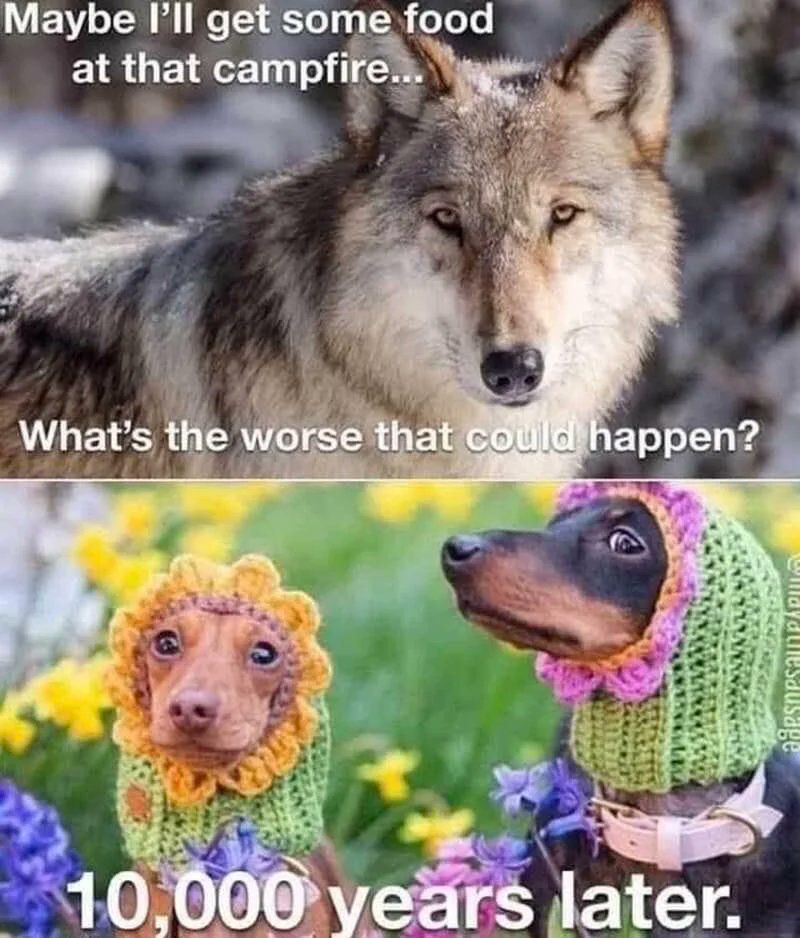 Dogs Have Been 'Man's Best Friend' For 14,000 Years
The bond between humans and dogs is one of the oldest stories in anthropology. It may also be a...
 Is This The D'Artagnan Made Famous In 'The Three Musketeers' By Dumas?
“I have lost D’Artagnan, in whom I had every confidence,” wrote King Louis XIV to his Queen...
       |
Hank Campbell I founded Science 2.0® in 2006 and since then it has become the world's largest independent science communications site, with over 300,000,000 direct readers and reach approaching one billion. |
Blogroll |
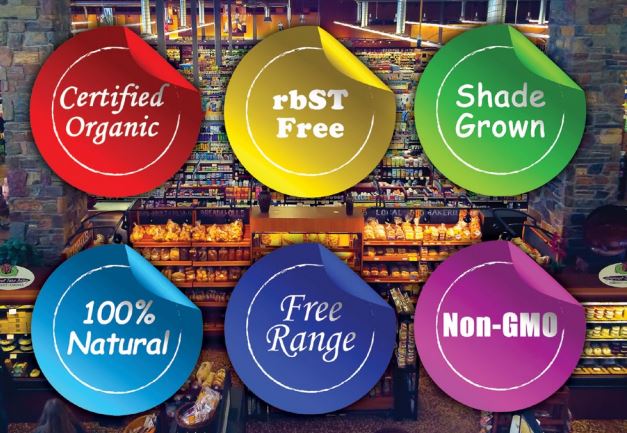
 In the early days of food labeling and regulations, it was just about mandating honesty. If you go to buy mayonnaise, you shouldn't have to wonder if it is mayonnaise (1), and then labels became a marketing distinction.
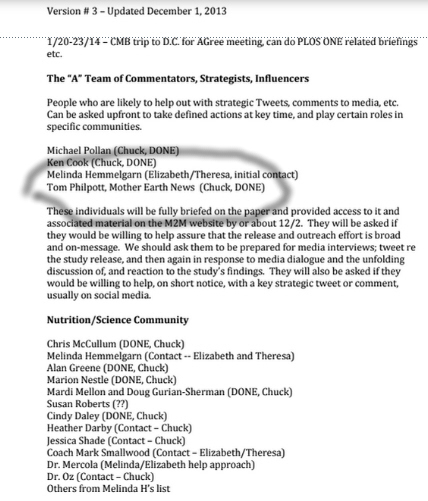
 If you get money from a corporation, are you for sale?
 A new
A new 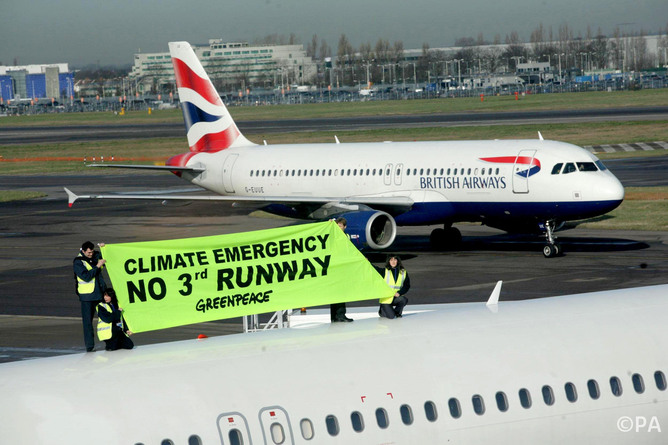
 The surest way to tell if an organization is a politically partisan one is if they make sure to claim flaws in their opposition and ignore the entire swath of the people on their side. Sourcewatch, for example, can't find a single thing wrong with Natural Resources Defense Council, which has $300 million in the bank, whereas they dismiss the organization I run, the American Council on Science and Health, as 'industry shills' because ACSH proudly makes its donors public while NRDC, which generates more money in interest in one day than the Council's budget for the entire year, gets a free pass while never telling anyone where their money really comes from.
