Fake Banner
Environmental Groups Back In Court To Help Fellow Rich White People

The Usual Suspects of the anti-science movement, Center for Biological Diversity(1), Environmental...

Batteries Are Stuck In The 1990s Because Solid-State Batteries Keep Short-Circuiting

The electric car industry is held back by reliance on conventional energy. Despite spending trillions...
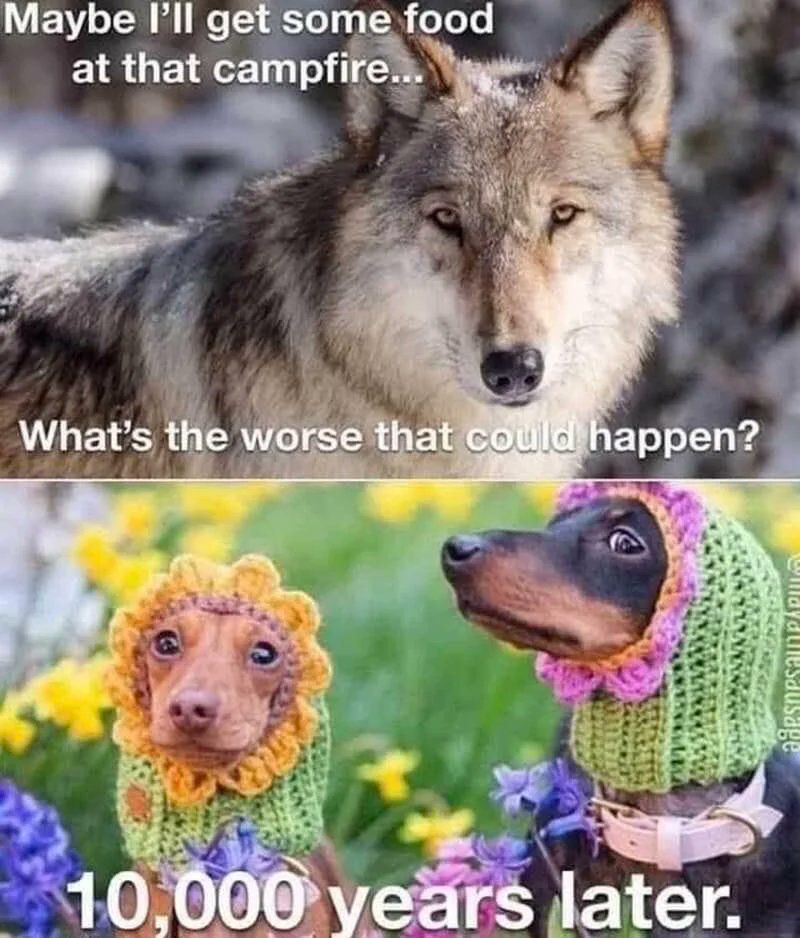
Dogs Have Been 'Man's Best Friend' For 14,000 Years

The bond between humans and dogs is one of the oldest stories in anthropology. It may also be a...
Is This The D'Artagnan Made Famous In 'The Three Musketeers' By Dumas?

“I have lost D’Artagnan, in whom I had every confidence,” wrote King Louis XIV to his Queen...

User picture.
picture for Fred Phillipspicture for Tommaso Dorigopicture for picture for Hontas Farmerpicture for Atreyee Bhattacharyapicture for Patrick Lockerby
Hank CampbellRSS Feed of this column.

I founded Science 2.0® in 2006 and since then it has become the world's largest independent science communications site, with over 300,000,000 direct readers and reach approaching one billion. Read More »

Blogroll
At the Biotech Literacy Project Boot Camp, held a week ago at the U.C. Davis World Food Center, I was on a journalism roundtable with Brooke Borel, Keith Kloor and Razib Khan, moderated by Professor Kevin Folta, and I was asked about the most important thing for scientists to keep in mind regarding increasing science acceptance.

It's always difficult to pick just one but given the nature of the assault on food science, 'don't engage in deficit thinking' was my response. Basically, don't assume the other person simply lacks the proper facts or that if things are framed properly it would change their minds. It probably will not, at least for the most vocal critics.
Though 50 percent of science in America is done by the corporate world, journal articles are overwhelmingly written by academics.

The reason is simple: In the private sector, it is a given that basic research may not produce anything. A drug company expects 1 out of 5,000 efforts to get to market and entire divisions at some companies have never led to a product. CEOs understand it can't be a free-for-all but there has to be room for creativity, and those researchers don't have to think about validating their existence.
In America, the social sciences, like psychology and anthropology, are regarded as female occupations - because they are.

But does that mean women are self-selecting women and there is bias against males in those fields? It depends on who you ask.

People rarely admit to bias and in 2015 people are rarely overtly biased, so instead it may be that when you walk into a classroom and no one looks 'like' you, you may be uncomfortable or, worse, you may feel like you are representing your whole gender/ethnicity and under-perform because you worry about how it makes your group look if you fail. 

In 2006 there was a serious decline in the number of honey bee colonies in parts of Europe and the United States and it brought renewed concern about another Colony Collapse Disorder, which had last occurred in the mid-1990s.


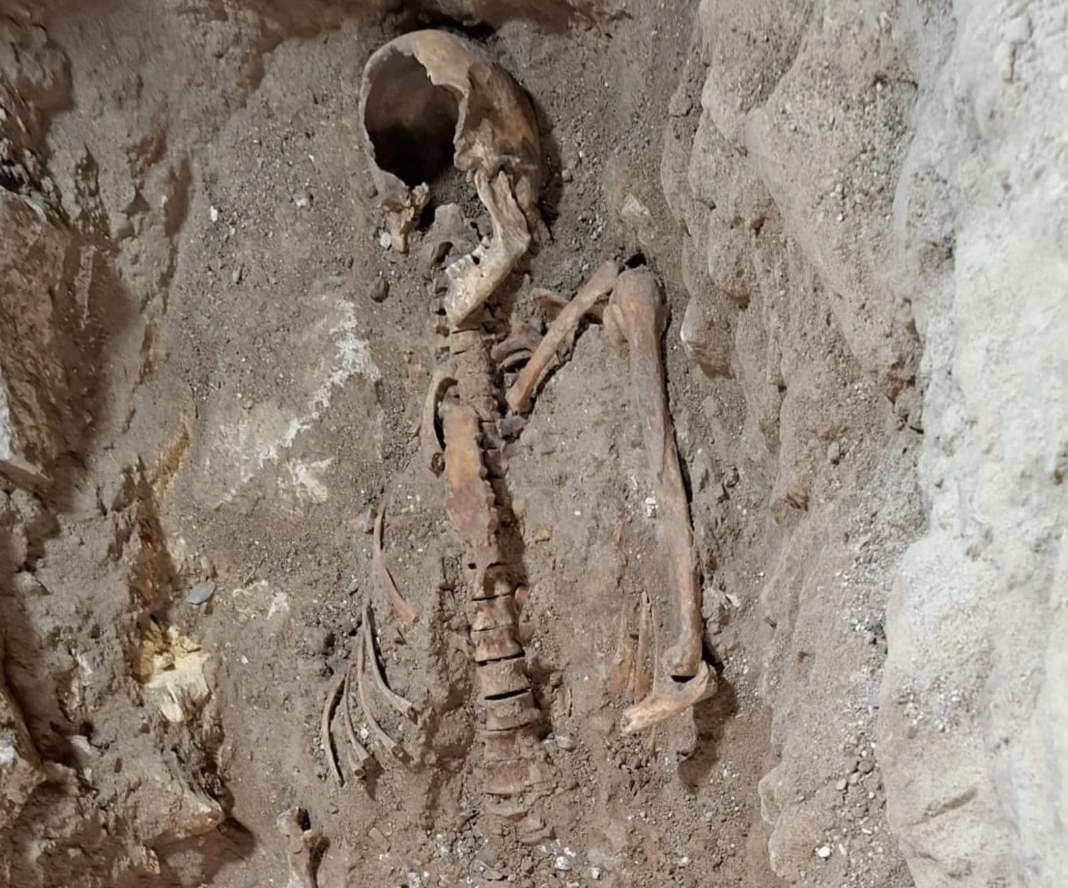
The Red Lady burial site in El Mirón cave, outside Ramales de la Victoria in Cantabria, Spain, dates back to the Upper Palaeolithic 16,000 years ago. The archaeological site was discovered in 1903 but it wasn't until 2010 that bones were discovered at the back of the cave, in a small space between the wall and a fallen block. Both the bones and the sediment under them were reddish.

The remains turned out to be of a woman, between 35 and 40 years of age, and because of the color the Red Lady mystery was born. The reddish color means the use of ochre and ochre has been linked to religious symbolism in various cultures.
Abbott Laboratories, the $40 billion conglomerate involved in pharmaceuticals, medical devices and supplements such as Similac and Ensure, has stated they will create a GMO-free version of Similac for parents who worry about GMOs inside their kids.

They cited a survey showing 20 percent of respondents wanted that option. The survey also noted that wealthier people in places like California and the Northeast were willing to pay more. Almost all baby formula uses corn and soy derivatives and more than 90 percent of those crops are GMOs, so  this will be for niche consumers who don't regard cost as an object.